
Isomaltulose
Isomaltulose is a glucose–fructose disaccharide made from sucrose by enzymatic rearrangement. This page explains its chemistry, how it is produced and what to check when sourcing it.
Showing the single result
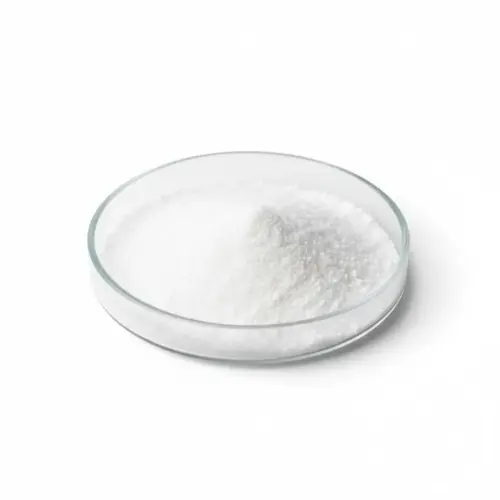
Isomaltulose: sucrose with a different bond
Isomaltulose is a disaccharide built from one glucose unit and one fructose unit. Sucrose contains the same two sugars. The difference lies in how they are joined.
In sucrose, glucose and fructose are linked by an α-1,2 glycosidic bond. In isomaltulose, they are linked by an α-1,6 bond. The two molecules are therefore isomers: the same building blocks with a different connection point.
How it is produced
Isomaltulose is made from sucrose by an enzymatic rearrangement of the glycosidic bond. The enzyme moves the link between the two sugars rather than splitting them apart. Purification, crystallisation and drying steps vary by producer, so a process flow chart is worth requesting.
The FC product page states that the sucrose raw material comes from sugar beet. The source crop matters for origin, GMO status and allergen documentation.
Isomaltulose at FC Materials
FC Materials lists Isomaltulose under sweeteners and sugar alternatives, food ingredients and health supplements.
Handling and formulation checks
- Particle size and flow, if you blend it with other powders or fill sachets.
- Moisture pick-up and caking under your own storage conditions.
- Dissolution rate at the water temperature your process uses.
- Behaviour in acidic systems. The FC product page notes stability at low pH; confirm this in your own matrix.
What to ask your supplier
- Assay: isomaltulose content on the certificate of analysis, with the test method named.
- Identity: a chromatographic identity test that separates isomaltulose from sucrose.
- Other sugars: results for residual sucrose, glucose, fructose and other sugars formed during conversion.
- Contaminants: heavy metals, microbiological counts and moisture or loss on drying.
- Documents: specification sheet, origin and non-GMO statements, allergen statement and halal certificate. The FC product page states the material is halal-certified.
Any claim made on a finished product must meet the rules of each market where it is sold. For specification questions, WhatsApp us.