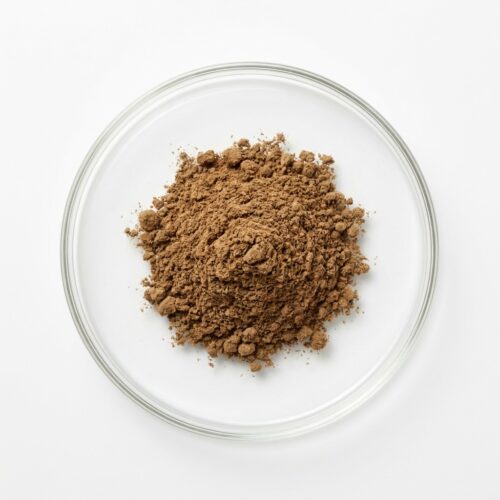
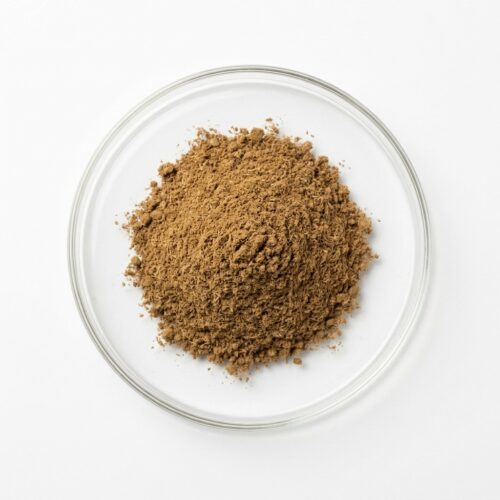
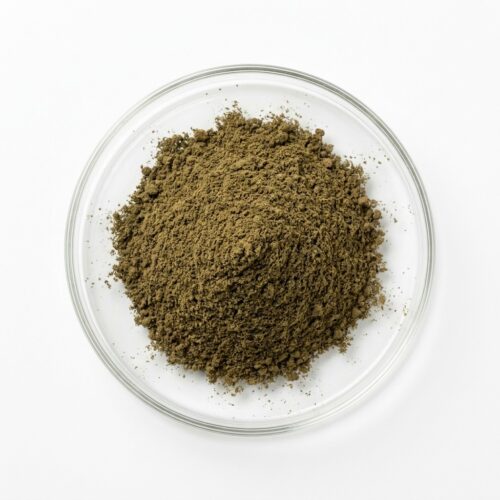
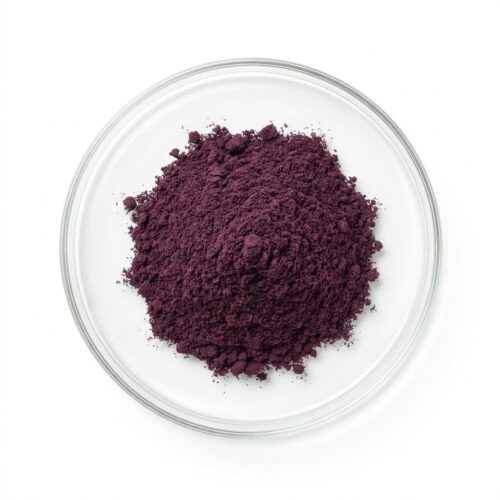
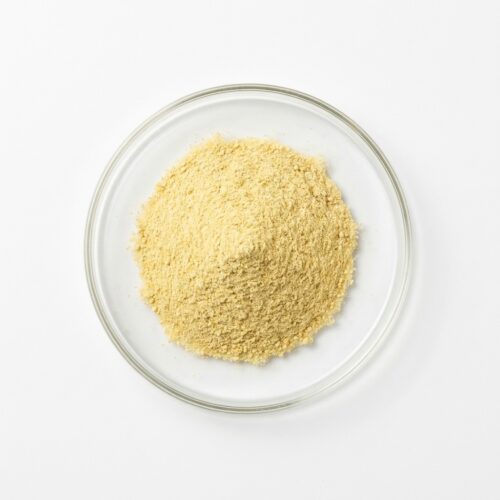
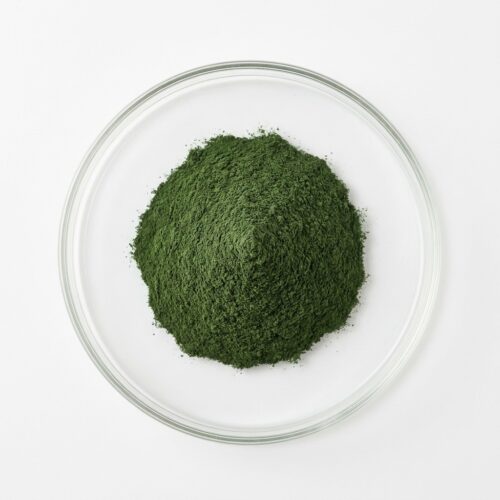
Bitter Melon Extract (Momordica charantia) is standardised from the unripe fruit of bitter melon, one of the most widely studied natural hypoglycaemic botanicals in Asian traditional medicine. Its active compounds — charantin, polypeptide-p, and vicine — work synergistically to improve insulin sensitivity and glucose uptake, making it a clinically relevant ingredient for diabetes management and metabolic health supplements.
Applications:
- Blood sugar management and diabetic health formulations
- Metabolic syndrome and insulin resistance supplements
- Weight management formulations
- Traditional medicine and TCM product formulations
Key Features & Benefits:
- Multi-mechanism hypoglycaemic action (charantin, polypeptide-p, vicine)
- Clinically studied for Type 2 diabetes blood sugar management
- Supports insulin sensitivity and glucose uptake
- No animal substance – halal-certified
- Available in standard extract and 10% concentration
What “charantin” means
Charantin is not a single compound. It is a mixture of steroidal glycosides (mainly sitosterol and stigmastadienol glucosides) found in Momordica charantia. Bitter melon extracts are also standardised on total saponins or bitter principles, and these are measured by different methods. A UV or gravimetric figure and an HPLC figure are not comparable, so ask what the standardised figure is and how it was measured. FC also offers a standardised grade: Bitter Melon Extract 10%.
Polypeptide-p and vicine
Polypeptide-p is a protein, so it is unlikely to survive ethanol extraction or digestion intact; claims for it in an oral extract need specific evidence. Vicine is a pyrimidine glycoside, found mainly in the seeds. It is the compound associated with favism in people with G6PD deficiency, which is common in parts of Southeast Asia. Ask whether the extract is made from fruit with or without seeds, and whether vicine is controlled.
Safety in formulation
Bitter melon is often positioned for blood glucose. Products that may lower blood glucose can interact with diabetes medicines, and blood-glucose claims are tightly regulated in most markets. Brands should review both before launch. Other botanicals used in this category include Gymnema Sylvestre Extract and Mulberry Extract.
What the research says
- A 2019 meta-analysis of 10 studies in type 2 diabetes (1,045 people) found bitter melon lowered fasting glucose by 0.72 mmol/L. HbA1c fell by 0.26% versus placebo. [1]
- The authors rate this evidence as low to very low quality, with moderate to high risk of bias and sparse safety data. [1]
- A 2024 meta-analysis of 10 trials (448 participants) found no significant effect on body weight, BMI, waist circumference or body fat. [2]
- A 2024 meta-analysis of 8 trials (423 participants) found lower total cholesterol and triglycerides but no change in LDL or HDL. All trials lasted under 3 months. [3]
These summaries describe published research on the ingredient. They are not claims for any finished product; claims on finished products must meet the rules of the market where they are sold.
References
- Peter EL, et al. Momordica charantia L. lowers elevated glycaemia in type 2 diabetes mellitus patients: systematic review and meta-analysis. J Ethnopharmacol. 2019;231:311-24. doi:10.1016/j.jep.2018.10.033
- Zou Y, et al. The effects of bitter melon (Momordica charantia) on anthropometric indices in adults: a systematic review and meta-analysis of randomized controlled trials. Prostaglandins Other Lipid Mediat. 2024;174:106877. doi:10.1016/j.prostaglandins.2024.106877
- Amini MR, et al. The effects of bitter melon (Momordica charantia) on lipid profile: a systematic review and meta-analysis of randomized controlled trials. Phytother Res. 2024;38(12):5949-61. doi:10.1002/ptr.8357
What to ask for on the certificate of analysis
- Species, plant part (fruit; with or without seeds) and extraction solvent
- Standardised marker (charantin, saponins or bitter principles) with the method
- Vicine content, or a statement on seed exclusion
- Heavy metals, pesticide residues and residual solvents
- Microbiology: total plate count, yeast and mould, E. coli, Salmonella
- Carrier (if any), Halal certificate, batch number, manufacture and retest dates