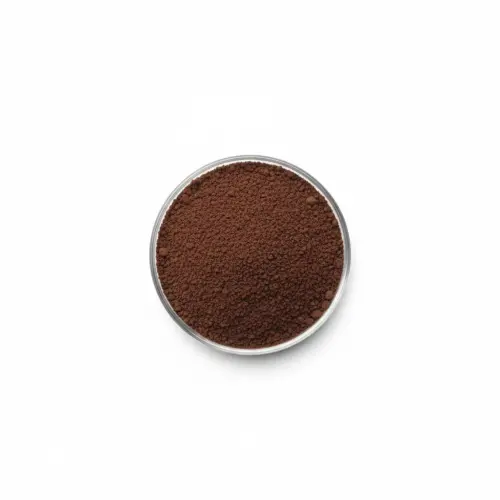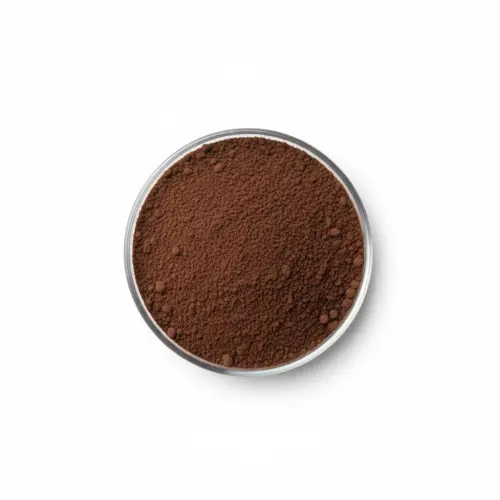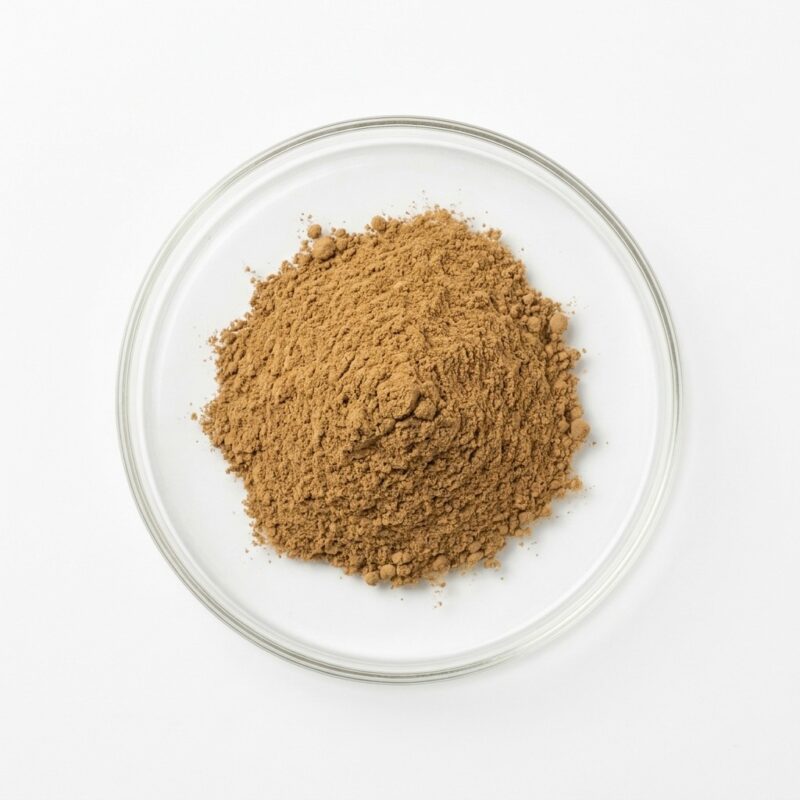
Ginger Powder is a natural whole-root powder derived from dried and milled Zingiber officinale rhizomes, delivering the authentic flavour, aroma, and functional bioactives of real ginger in a convenient and shelf-stable powdered form. Unlike concentrated extracts, Ginger Powder retains the complete phytochemical profile of the whole root including gingerols, shogaols, zingerone, and essential oils — making it ideal for applications where both flavour and nutritional functionality are required.
Ginger is one of the most universally valued culinary and medicinal ingredients across Asian, Ayurvedic, and Middle Eastern cultures, with strong consumer recognition and broad formulation versatility.
Applications:
- Functional Foods & Beverages (ginger teas, health drinks, spice blends, ginger confectionery)
- Nutraceuticals (digestive health capsules, anti-nausea and anti-inflammatory supplements)
- Bakery & Confectionery (ginger biscuits, cakes, gingerbread, confections)
- Seasoning & Sauces (curry blends, marinades, Asian seasoning mixes)
Key Features & Benefits:
- Whole-root powder with complete phytochemical profile
- Authentic ginger flavour, aroma, and heat for food applications
- Natural digestive, anti-nausea, and anti-inflammatory properties
- Halal-certified & food-grade quality
- Suitable for food, beverage, capsule, and seasoning applications
Ginger powder versus ginger extract
Ginger powder is the whole dried rhizome of Zingiber officinale, milled. It keeps the fibre, starch, essential oil and pungent compounds of the root in their natural proportions. A Ginger Root Extract concentrates the pungent compounds and is used where a smaller dose is needed. Choose powder for flavour and whole-food positioning, and extract for standardised capsules.
Pungency and aroma
The heat of fresh ginger comes from gingerols. During drying and heating, some gingerols turn into shogaols, which are more pungent, so dried ginger tastes hotter and sharper than fresh. The aroma comes from the essential oil, which is lost over time, especially in fine powders. Ask for the volatile oil content and keep packs sealed and cool.
Spice safety checks
Dried spices can carry high microbial loads and mycotoxins. Ask how the powder was treated to reduce bacteria (for example steam treatment or irradiation, which must be declared in many markets), and for aflatoxin and ochratoxin A results. Check for extraneous matter and for added colour.
What the research says
- A 2026 meta-analysis of 13 randomised trials in people with type 2 diabetes found that ginger lowered fasting blood sugar, HbA1c (by 0.41%), systolic blood pressure and triglycerides, and slightly raised HDL cholesterol. The authors note that the size of these effects was of limited clinical importance and that results varied widely between trials. There was no change in insulin resistance, diastolic blood pressure, total or LDL cholesterol, or BMI. [1]
- For research on ginger and nausea, see the Ginger Root Extract page.
These summaries describe published research on the ingredient. They are not claims for any finished product; claims on finished products must meet the rules of the market where they are sold.
References
- Chen X, et al. Meta-analysis of the effects of ginger supplementation on glycemic control, blood pressure and lipid profile in patients with type 2 diabetes. Syst Rev. 2026;15(1). doi:10.1186/s13643-026-03251-5
Halal certification
This ingredient is listed as “Ginger Powder” on FC Materials’ Halal certificate (Sijil Pengesahan Halal, MS 1500:2019), issued through the Penang Islamic Religious Council (MAINPP) and the Department of Islamic Development Malaysia (JAKIM). Reference JAKIM.700-2/3/1 105-07/2022, valid until 15 October 2028. Ask us for a copy.
What to ask for on the certificate of analysis
- Botanical name and plant part (Zingiber officinale rhizome)
- Volatile oil content and particle size
- Microbial reduction treatment declared (steam or irradiation)
- Aflatoxins, ochratoxin A and extraneous matter
- Loss on drying, heavy metals (lead, arsenic, cadmium, mercury) and pesticide residues
- Microbiology: total plate count, yeast and mould, E. coli, Salmonella
- Batch number, manufacture and retest dates