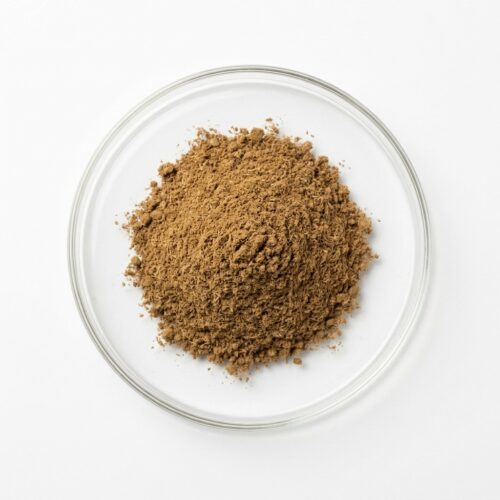
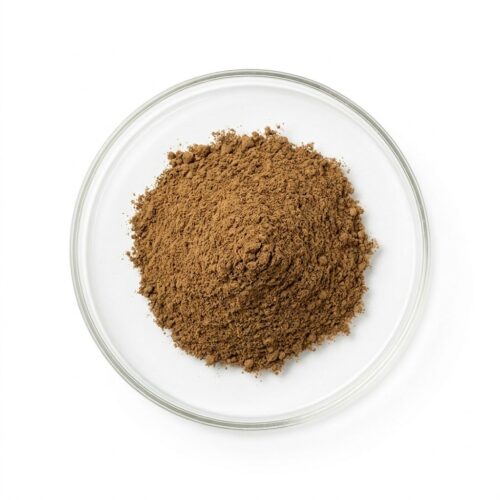
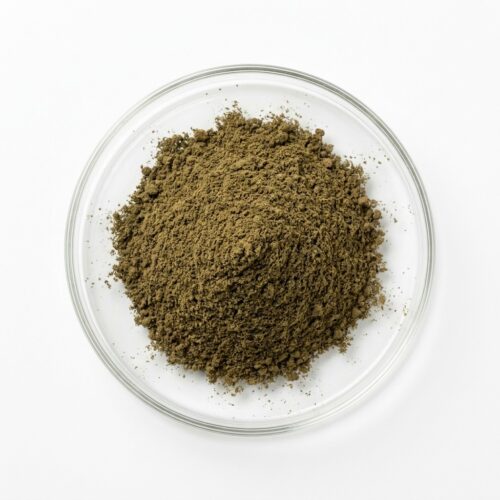
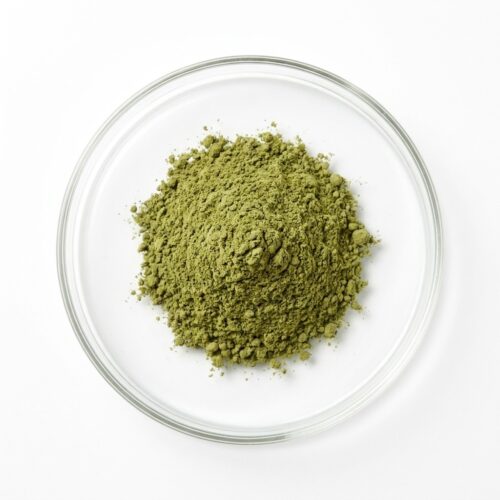
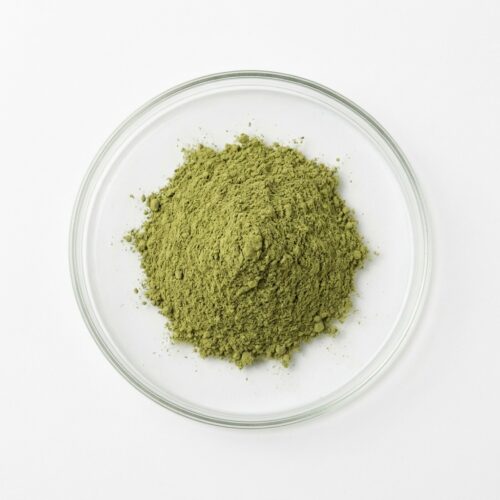
Green Coffee Bean Extract is a concentrated botanical extract derived from unroasted Coffea arabica or Coffea canephora beans, standardised to contain more than 50.0% Chlorogenic Acid (HPLC). Unlike roasted coffee, green coffee beans retain their full chlorogenic acid content — the key polyphenolic compound responsible for the extract’s weight management, blood sugar regulation, and antioxidant properties. Roasting destroys most chlorogenic acids, which is why green coffee extract delivers significantly more functional benefit than roasted coffee.
Green Coffee Bean Extract is one of the most popular weight management supplement ingredients globally, backed by clinical studies and strong consumer demand in the slimming and metabolic health categories.
Applications:
- Weight Management (slimming capsules, fat metabolism supplements, appetite control blends)
- Sports Nutrition (pre-workout energy, metabolism, and body composition formulations)
- Nutraceuticals (blood sugar regulation, antioxidant capsules, metabolic health)
- Functional Beverages (green coffee health drinks, weight management beverages)
Key Features & Benefits:
- >50.0% Chlorogenic Acid (HPLC) – high potency standardised extract
- Clinically studied for weight management and blood sugar regulation
- High antioxidant activity from chlorogenic acid polyphenols
- Halal-certified & food-grade quality
- Suitable for capsule, tablet, and beverage formulations
Which chlorogenic acids, and by which method
“Chlorogenic acid” can mean the single compound 5-caffeoylquinic acid or the whole family of caffeoylquinic, feruloylquinic and dicaffeoylquinic acids. A 50% figure for total chlorogenic acids is not the same as 50% 5-caffeoylquinic acid. FC’s extract is stated as >50% chlorogenic acid by HPLC; ask which compounds the figure includes when you compare offers.
Caffeine content
Green coffee extracts may be regular or decaffeinated, and caffeine content varies widely. Ask for caffeine by HPLC on every COA and add it to the total caffeine of your formula, especially if you combine it with Guarana Extract or Green Tea Extract.
Formulation notes
The extract is bitter and slightly acidic, and chlorogenic acids can darken in solution and degrade with heat. Check colour and marker content in your finished product during stability testing.
What the research says
- A 2023 meta-analysis found that green coffee extract providing at least 500 mg chlorogenic acid a day reduced body weight by about 1.3 kg compared with control. It pooled only 3 short trials with 103 people, and the authors call for longer studies of effectiveness and safety. [1]
- A 2024 meta-analysis of 10 studies (563 adults) found small reductions in systolic (about 2.95 mmHg) and diastolic (2.15 mmHg) blood pressure, mainly in people with high blood pressure, with no change in heart rate and no effect on blood pressure in women. [2]
These summaries describe published research on the ingredient. They are not claims for any finished product; claims on finished products must meet the rules of the market where they are sold.
References
- Kanchanasurakit S, et al. Chlorogenic acid in green bean coffee on body weight: a systematic review and meta-analysis of randomized controlled trials. Syst Rev. 2023;12(1):163. doi:10.1186/s13643-023-02311-4
- Samavat S, et al. The effects of green coffee bean extract on blood pressure and heart rate: a systematic review and dose-response meta-analysis of randomized controlled trials. Diabetes Metab Syndr. 2024;18(9):103120. doi:10.1016/j.dsx.2024.103120
Halal certification
This ingredient is listed as “Green Coffee Bean Extract” on FC Materials’ Halal certificate (Sijil Pengesahan Halal, MS 1500:2019), issued through the Penang Islamic Religious Council (MAINPP) and the Department of Islamic Development Malaysia (JAKIM). Reference JAKIM.700-2/3/1 105-07/2022, valid until 15 October 2028. Ask us for a copy.
What to ask for on the certificate of analysis
- Botanical name and source (Coffea arabica or C. canephora, unroasted bean)
- Chlorogenic acids by HPLC, stating which compounds are included
- Caffeine content by HPLC
- Extraction solvent and residual solvents
- Loss on drying, heavy metals (lead, arsenic, cadmium, mercury) and pesticide residues
- Microbiology: total plate count, yeast and mould, E. coli, Salmonella
- Batch number, manufacture and retest dates