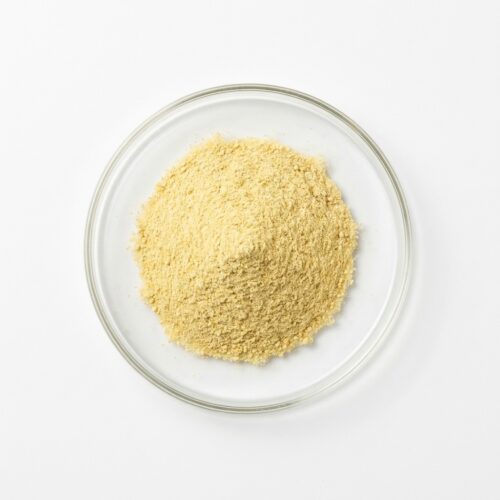
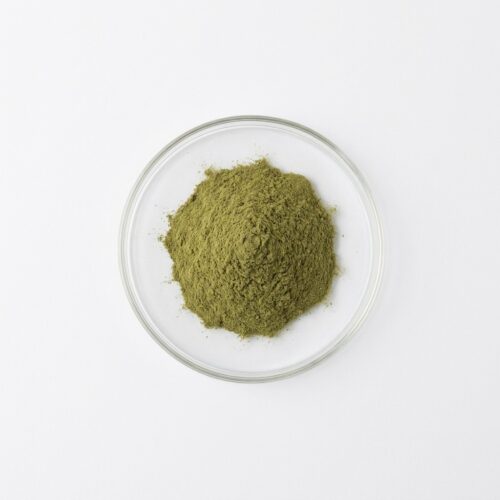
Indole-3-Carbinol (I3C) is a naturally occurring glucosinolate breakdown product found in cruciferous vegetables (broccoli, cabbage, Brussels sprouts). It undergoes acid-catalysed conversion in the stomach to DIM (diindolylmethane) and other bioactive indoles that modulate oestrogen metabolism — shifting conversion from the more oestrogenic 16α-hydroxyoestrone toward the safer 2-hydroxyoestrone pathway. It is clinically studied for hormonal cancer prevention, HPV clearance, and detoxification enzyme induction.
Applications:
- Hormonal balance and oestrogen metabolism support formulations
- Women’s health and breast health nutraceuticals
- Detoxification and Phase I/II enzyme induction supplements
- Anti-ageing and longevity supplement formulations
Key Features & Benefits:
- Converts to DIM — the most bioactive oestrogen-modulating indole
- Shifts oestrogen metabolism to safer 2-OH pathway
- Induces CYP1A1/1A2 detoxification enzymes
- No animal substance – halal-certified
- Synergistic with DIM supplements for hormonal health
Where indole-3-carbinol comes from
Cruciferous vegetables such as broccoli, cabbage and Brussels sprouts contain glucobrassicin, a glucosinolate. When the plant is cut or chewed, the enzyme myrosinase breaks glucobrassicin down, and indole-3-carbinol (I3C) is one of the products. I3C for supplements is usually a purified or synthetic compound rather than a vegetable extract, so ask for the assay and the route of manufacture.
Stability: I3C changes in acid
I3C is unstable in acid. In the stomach it condenses into a mixture of products, mainly 3,3′-diindolylmethane (DIM) and other oligomers. The same reaction can start in the drum if the material is exposed to moisture, heat, light or acidic excipients. Store it sealed, cool, dry and dark, and ask for DIM to be reported as an impurity on the certificate.
Labelling and claims
I3C and DIM are different ingredients and should not be swapped one-for-one in a formula. Claims about cancer prevention, hormones or viral infection are medical claims and are not permitted for food supplements in most markets. Keep wording to what your regulator allows.
What to ask for on the certificate of analysis
- Assay of indole-3-carbinol by HPLC, with the method
- Related substances, including DIM
- Identity test (for example IR or HPLC retention time)
- Appearance and melting range
- Loss on drying and heavy metals (lead, arsenic, cadmium, mercury)
- Microbiology: total plate count, yeast and mould, E. coli, Salmonella
- Batch number, manufacture and retest dates