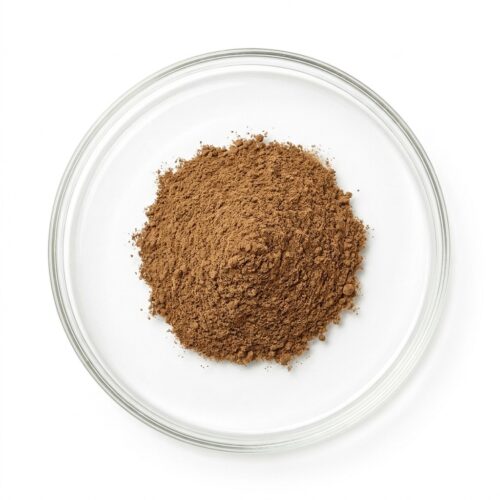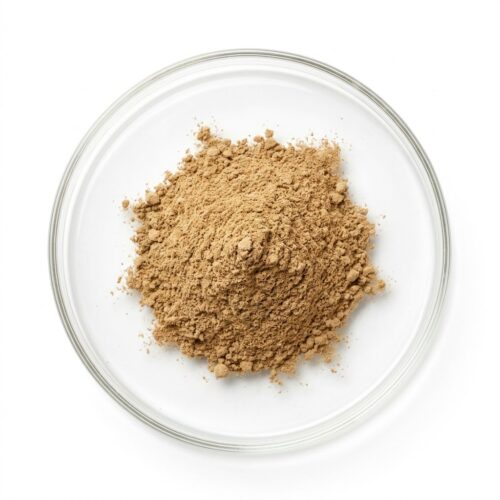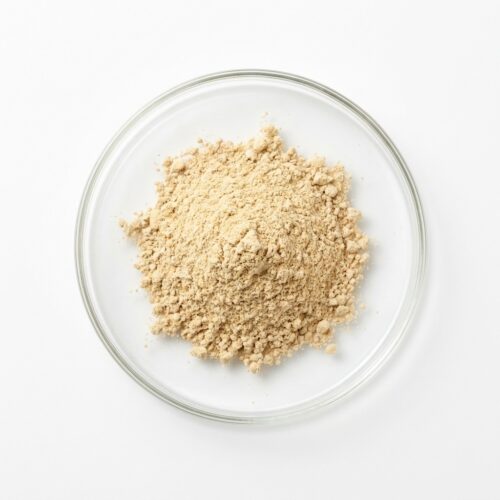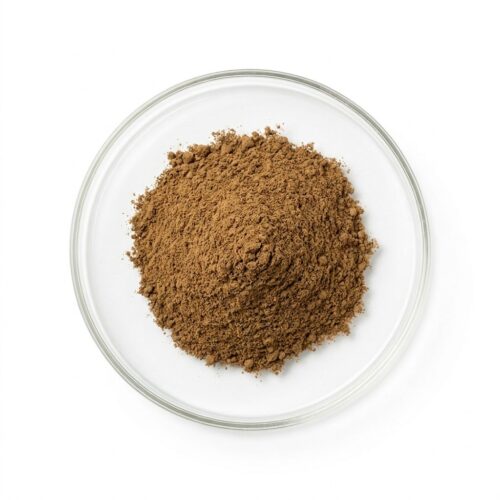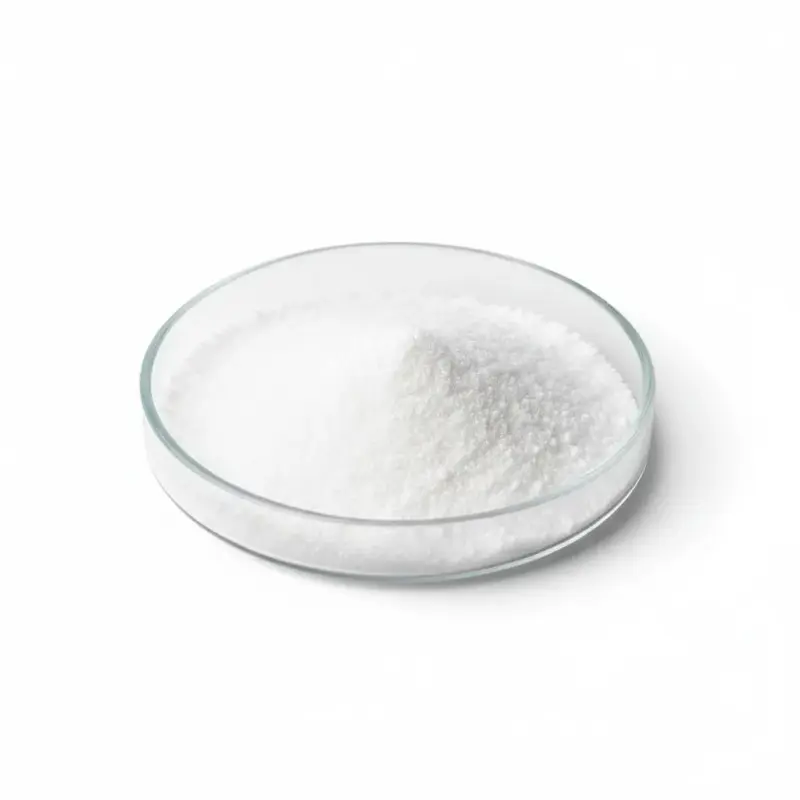
L-Arginine is a semi-essential amino acid with an assay of 99.2%, serving as the direct precursor to nitric oxide (NO) — a critical signalling molecule that regulates vasodilation, blood flow, cardiovascular function, and immune response. As a substrate for nitric oxide synthase (NOS), L-Arginine is one of the most important functional amino acids in sports nutrition, cardiovascular health, and male sexual health supplement formulations.
L-Arginine is also a key precursor in the urea cycle and plays an important role in protein synthesis, wound healing, hormone secretion (growth hormone and insulin), and immune cell proliferation — making it a versatile and multi-functional amino acid ingredient across several health supplement categories.
Applications:
- Sports Nutrition (pre-workout NO boosters, muscle pump and vasodilation supplements, endurance blends)
- Cardiovascular Health (blood pressure support, nitric oxide and vascular health formulations)
- Men’s Health (erectile function support, male sexual health supplements)
- Nutraceuticals (wound healing, immune support, growth hormone-stimulating formulations)
Key Features & Benefits:
- 99.2% assay – pharmaceutical grade amino acid purity
- Direct nitric oxide precursor for vasodilation and blood flow enhancement
- Key ingredient in pre-workout muscle pump and cardiovascular supplement categories
- Halal-certified & food-grade quality
- Suitable for capsule, powder, and beverage formulations
Free base, hydrochloride or AKG
L-arginine is supplied as the free base, as L-arginine hydrochloride, and as L-arginine alpha-ketoglutarate (AAKG). The free base is strongly alkaline in solution, which affects taste, pH of beverages and compatibility with acid ingredients. The hydrochloride is closer to neutral and easier to formulate, but carries less arginine per gram: roughly 83% by molecular weight. AAKG combines arginine with alpha-ketoglutarate in different ratios depending on the grade. Doses and label claims should be calculated on arginine content for the form actually used.
Formulation notes
Arginine tastes bitter and alkaline, so beverage and powder formats usually need acidulants and flavour masking. As an amino acid with a free amino group, it can take part in Maillard browning with reducing sugars during storage, especially in warm, humid conditions, which shows as colour change in powder blends. Store sealed, cool and dry.
Source
Commercial L-arginine is generally produced by fermentation. Ask for the production route and the raw-material origin, which matter for halal, vegan and GMO statements. Related amino acids: L-Carnitine Base and Taurine.
What to ask for on the certificate of analysis
- Form (free base, hydrochloride or AKG) and assay
- Specific optical rotation, confirming the L-form
- pH of a stated solution, loss on drying and residue on ignition
- Chloride, sulfate and other amino acids (by chromatography)
- Heavy metals: lead, arsenic, cadmium and mercury
- Microbiology: total plate count, yeast and mould, E. coli, Salmonella
- Production route, GMO and allergen statements, Halal certificate, batch and retest dates