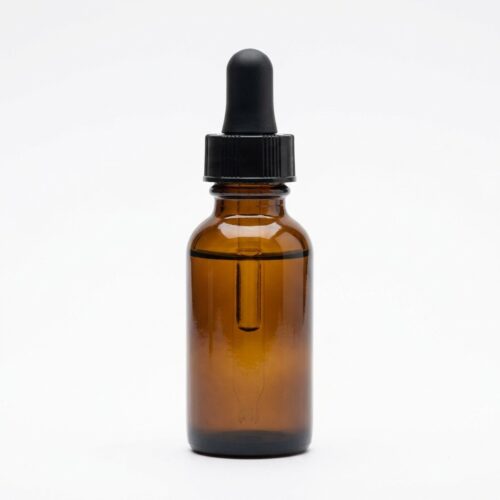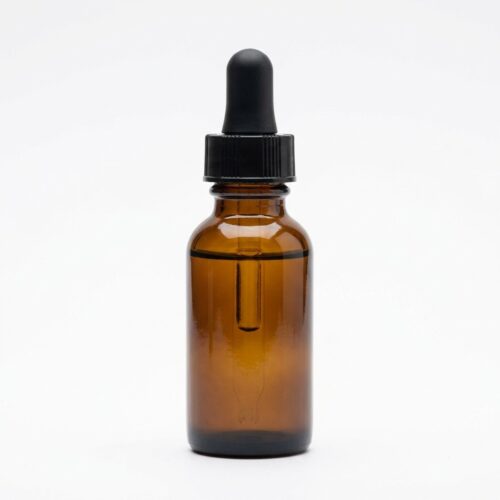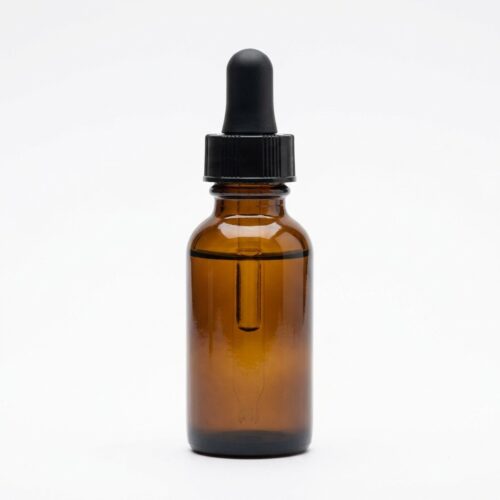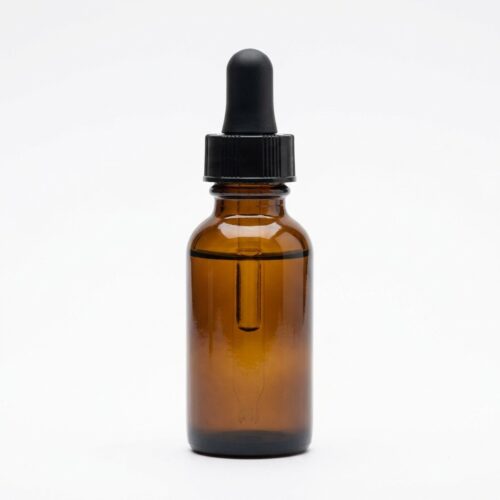
Lemongrass Essential Oil is a therapeutic-grade oil steam-distilled from the aerial parts of Cymbopogon citratus or Cymbopogon flexuosus (lemongrass), presenting as light yellow to pale yellow with a reflection of reddish-brown colour. Rich in citral (geranial + neral, 65–85%), Lemongrass Oil delivers a powerful, fresh, bright, lemony-herbal-earthy aroma and is one of the most widely used essential oils in Southeast Asia — both for its culinary connections and its potent antimicrobial, insect-repellent, and deodorising properties.
Serai (lemongrass) is a deeply familiar and beloved plant in Malaysian culture — used in cooking, traditional medicine, and as a natural cleansing ingredient — giving Lemongrass Oil uniquely strong local market resonance.
Applications:
- Aromatherapy (energising, deodorising, uplifting, and insect-repellent diffuser blends)
- Personal Care (deodorants, body washes, foot care, insect-repellent formulations)
- Massage (muscle toning and circulatory massage blends, sports recovery formulations)
- Fine Fragrance & Flavouring (citrusy-herbal note in fresh fragrances and food flavouring)
Key Features & Benefits:
- Light yellow to pale yellow – authentic lemongrass essential oil
- No animal substance – suitable for vegan and Halal-compliant formulations
- High citral – potent antimicrobial, antifungal, and insect-repellent properties
- Deeply familiar Malaysian cultural ingredient (serai)
- Powerful deodorising and freshening character for personal care
Two species, one name
Lemongrass oil comes from Cymbopogon citratus (West Indian type) or Cymbopogon flexuosus (East Indian type). Both are rich in citral, but they differ in minor components and in how they behave in formulations, so confirm the species on the specification rather than accepting “lemongrass”.
Citral: the value and the limit
Citral gives lemongrass its strength and its lemon character, and it is also why the oil needs care. Citral is a recognised skin sensitiser: its use in fragrances is restricted under IFRA standards, and it is a declarable allergen, alongside geraniol, limonene and linalool, in the EU and markets that follow its rules. Calculate the citral contributed by the oil at your use level and check it against the limit for your product category.
Formulation notes
Citral is unstable under light, heat and acidic conditions, where it degrades and loses its fresh character. Keep the oil sealed, cool and dark, add it late in the process, and test the finished product for colour and odour stability. It is not water-soluble and needs a solubiliser in aqueous systems. For insect-repellent blends it is often paired with Citronella Oil.
What to ask for on the certificate of analysis
- Species confirmed: C. citratus or C. flexuosus.
- Citral (geranial plus neral) by GC.
- Refractive index and specific gravity.
- Solubility in alcohol.
- Country of origin and distillation date.