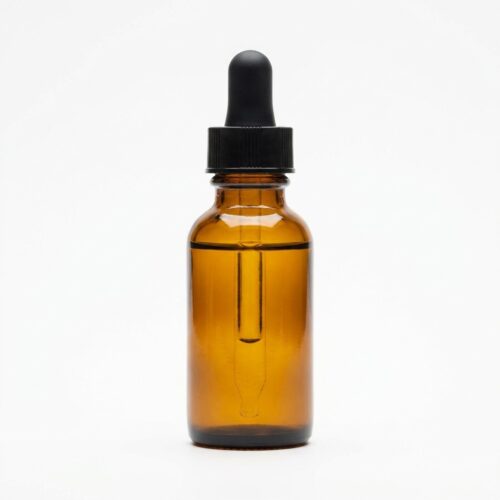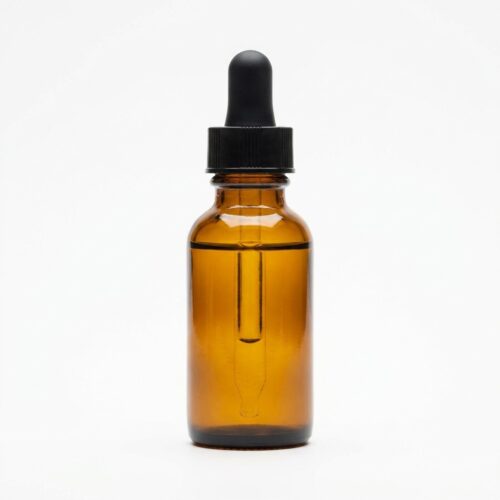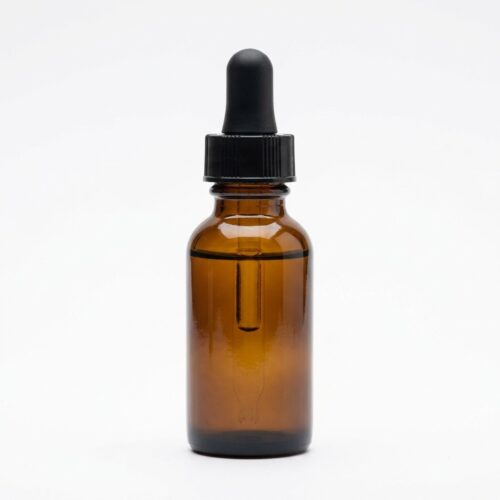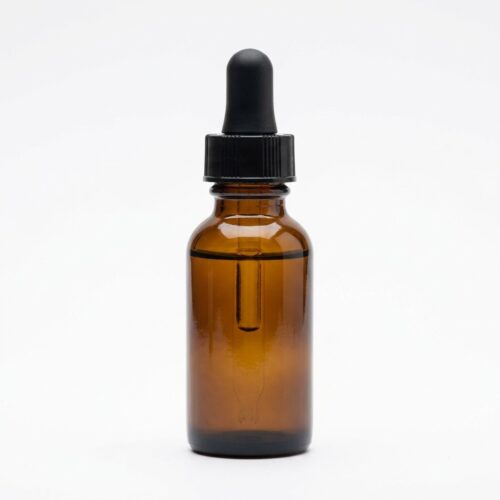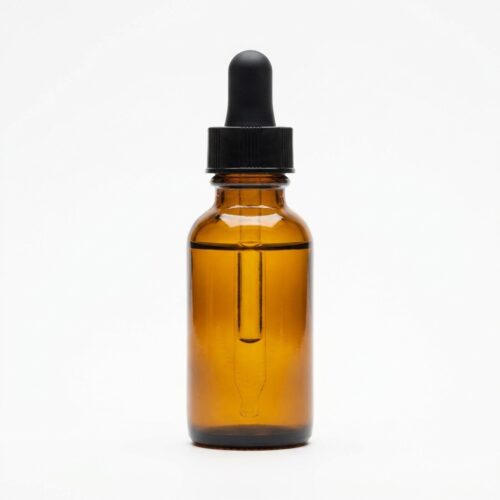
Lime Essential Oil is a therapeutic-grade oil cold-pressed or steam-distilled from the rind of Citrus aurantifolia (Key lime) or Citrus latifolia (Persian lime), presenting as almost colourless to light yellow. With a sharper, more tart, intensely fresh citrus character than lemon oil, Lime Oil is a popular top note in fine fragrance — particularly in masculine, aquatic, and fresh-citrus cologne compositions — and a versatile aromatic for uplifting aromatherapy and personal care applications.
Applications:
- Fine Fragrance (sharp, fresh citrus top note in colognes, masculine, and aquatic perfumes)
- Aromatherapy (mental clarity, uplifting, and energising diffuser blends)
- Personal Care (freshening body care, deodorants, aftershave, shampoos)
- Cleaning Products (natural degreasing and freshening formulations)
Key Features & Benefits:
- Almost colourless to light yellow – clean lime essential oil
- No animal substance – suitable for vegan and Halal-compliant formulations
- Sharp, tart, intensely fresh citrus character
- Premier citrus top note for masculine and fresh cologne formulations
- Uplifting and energising aromatherapy properties
Distilled versus cold-pressed lime oil
Lime oil comes in two forms that smell and behave differently. Distilled lime oil, traditionally made from Key lime (Citrus aurantifolia), is produced by distilling crushed whole fruit in its own acidic juice; the acid rearranges part of the citral and terpenes into compounds such as alpha-terpineol and 1,4- and 1,8-cineole, giving the familiar cola-type lime note. Cold-pressed (expressed) lime oil keeps a fresher, peel-like odour and more citral. The two are not interchangeable in a flavour or fragrance.
Phototoxicity
Cold-pressed lime oil contains furocoumarins and is phototoxic, so IFRA restricts it in leave-on products applied to sun-exposed skin. Distilled lime oil leaves the non-volatile furocoumarins behind and is not phototoxic, which makes it the usual choice for leave-on skincare.
Species and stability
Key lime and Persian lime (Citrus latifolia) oils differ in profile, so the species should be stated. Like all limonene-rich oils, lime oil oxidises in air to sensitising hydroperoxides; keep containers full, sealed, cool and dark. Related citrus oils: Lemon Oil, Grapefruit Oil and Kaffir Lime (Citrus Hystrix) Oil.
What to ask for on the certificate of analysis
- Species (Citrus aurantifolia or Citrus latifolia) and process (distilled or cold-pressed)
- GC profile with limonene, citral, alpha-terpineol and cineoles quantified
- Furocoumarin content or phototoxicity statement
- Peroxide value, date of manufacture and any added antioxidant
- Physical constants: relative density, refractive index, optical rotation
- Declarable fragrance allergens, a current IFRA certificate, and food or cosmetic grade