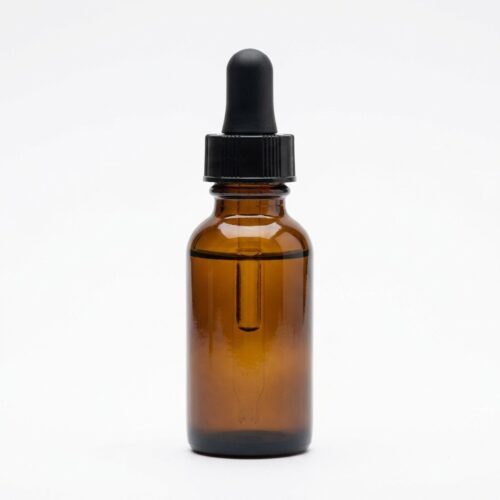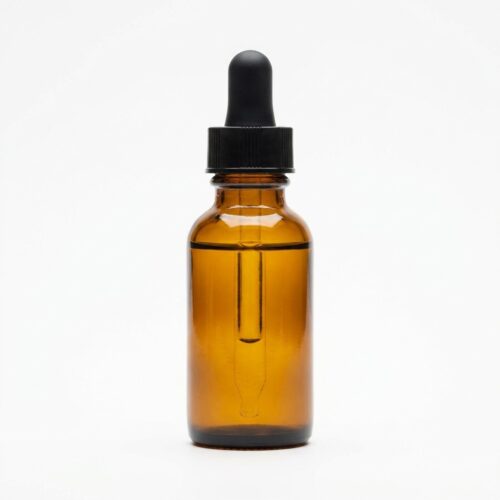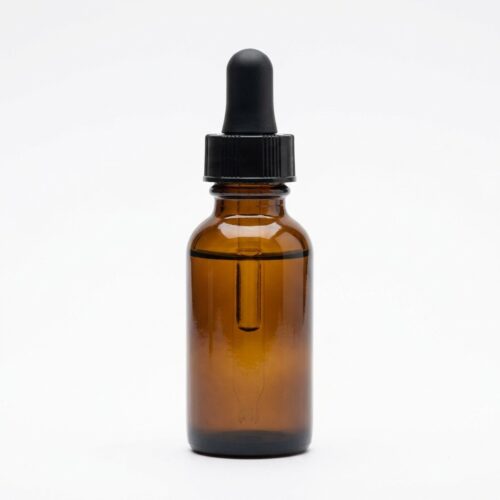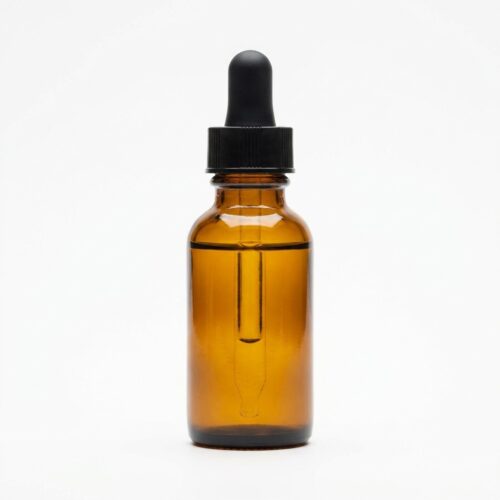
Grapefruit Essential Oil is a therapeutic-grade oil cold-pressed from the rind of Citrus paradisi (grapefruit), presenting as orange-brown to dark yellowish/brown or occasionally lemon yellow. Dominated by d-limonene (90–95%), Grapefruit Oil delivers a bright, fresh, clean citrus aroma with a distinctive slightly bitter-sweet character that is widely used as an uplifting aromatherapy ingredient and as a key component in anti-cellulite, detoxifying, and lymphatic-stimulating personal care formulations.
Applications:
- Aromatherapy (uplifting mood, mental clarity, and energy-boosting diffuser blends)
- Body Care (anti-cellulite formulations, lymphatic drainage massage products)
- Skincare (oily skin toning, astringent formulations, clarifying products)
- Fine Fragrance (fresh citrus top note in uplifting and sporty fragrance compositions)
Key Features & Benefits:
- Orange-brown to yellowish colour – authentic cold-pressed grapefruit rind oil
- No animal substance – suitable for vegan and Halal-compliant formulations
- High d-limonene for uplifting aromatherapy and lymphatic stimulation
- Toning and astringent for oily skin and body care formulations
- Bright, fresh citrus top note for personal care and fine fragrance
Phototoxicity: cold-pressed versus distilled
Cold-pressed grapefruit oil keeps the rind’s non-volatile furocoumarins, including bergamottin and related compounds, so it is phototoxic and IFRA restricts it in leave-on products applied to sun-exposed skin. Distilled or furocoumarin-free grades avoid that restriction but smell flatter. For leave-on skincare and body care, the grade must be chosen with the finished-product safety assessment in mind; rinse-off products are treated differently.
Quality markers
Like other citrus oils, grapefruit oil is mostly limonene, so limonene tells a buyer little. The characteristic grapefruit note comes from minor components, above all nootkatone together with sulfur compounds present at trace levels; nootkatone content is the usual quality marker. White and pink grapefruit oils differ slightly in odour, so the source fruit should be stated.
Stability
Limonene oxidises in air to hydroperoxides, which are skin sensitisers, and the fresh top note fades at the same time. Keep containers full, sealed, cool and dark, and check peroxide value on older stock. Related citrus oils: Lemon Oil, Lime Oil and Bergamot Oil.
What to ask for on the certificate of analysis
- Species (Citrus paradisi), fruit type (white or pink) and process (cold-pressed, distilled or FCF)
- GC profile with limonene and nootkatone stated
- Furocoumarin content or phototoxicity statement
- Peroxide value, date of manufacture and any added antioxidant
- Physical constants: relative density, refractive index, optical rotation, evaporation residue
- Declarable fragrance allergens, a current IFRA certificate, and food or cosmetic grade