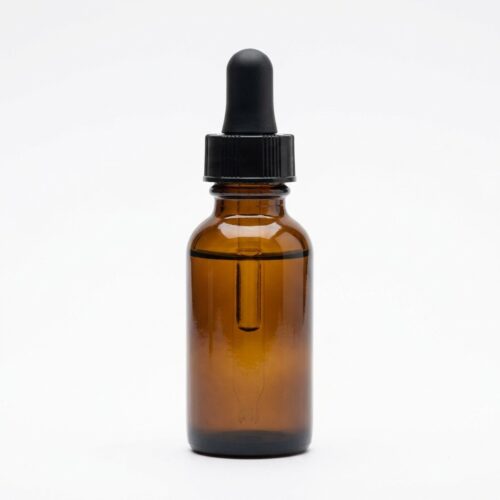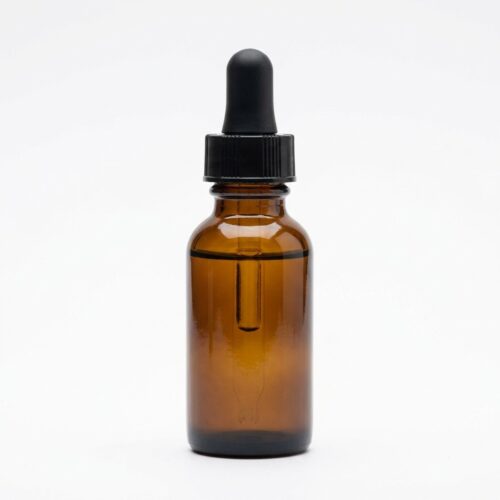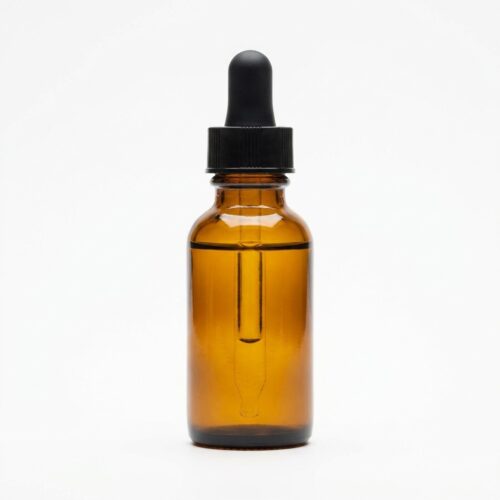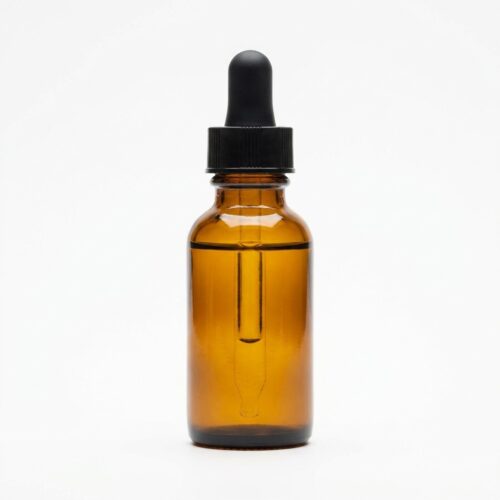
Rosemary Essential Oil is a therapeutic-grade oil steam-distilled from the flowering tops and leaves of Rosmarinus officinalis (rosemary), presenting as colourless. Rich in 1,8-cineole, camphor, and alpha-pinene, Rosemary Oil delivers a sharp, fresh, camphorous, woody-herbal aroma and is one of the most widely used therapeutic essential oils — particularly valued for its stimulating, circulatory, and cognitive-enhancing properties. It is the most evidence-backed natural essential oil for hair growth stimulation, with multiple clinical studies demonstrating its ability to improve hair density and scalp circulation comparable to minoxidil.
Applications:
- Haircare (hair growth stimulation, scalp circulation, anti-hair-loss formulations)
- Aromatherapy (mental clarity, memory, focus, and concentration diffuser blends)
- Sports & Massage (circulatory-stimulating, muscle-warming massage formulations)
- Fine Fragrance (sharp, fresh herbaceous note in masculine and aromatic fragrances)
Key Features & Benefits:
- Colourless – clean high-purity therapeutic-grade rosemary oil
- No animal substance – suitable for vegan and Halal-compliant formulations
- Clinically studied for hair growth stimulation — comparable to minoxidil in research
- Cognitive-enhancing and mentally stimulating in aromatherapy
- Sharp, fresh herbaceous character for personal care and fine fragrance
Chemotype is the specification that matters
Rosemary is one of the oils where the botanical name is not enough. The same species yields three commercially distinct chemotypes: 1,8-cineole (sharp and camphoraceous, the usual choice for respiratory and scalp work), camphor (favoured in warming muscular blends), and verbenone (softer, lower in camphor, preferred for skin and hair where harshness is a problem, and the most expensive of the three). A formula developed on one chemotype will not reproduce on another. Specify the chemotype on the purchase order, and confirm it on the GC-MS report rather than assuming it from the price.
Handling and formulation notes
Rosemary is rich in monoterpenes, which oxidise on exposure to air, light and warmth — oxidised oil both loses its aroma profile and becomes more skin-sensitising than fresh material. Store cool and dark, keep containers as full as practical, and consider nitrogen blanketing on part-used drums. It is soluble in alcohol and fixed oils and not in water, so aqueous products need a solubiliser rather than vigorous mixing.
Two safety points shape where it can be used. Camphor content is the reason rosemary carries cautions for use in pregnancy and with epilepsy in aromatherapy practice, and it is the reason chemotype selection is a safety decision as well as an aroma one. For fragrance applications, check the current IFRA position for the finished product type before setting a level.
What to ask for on the certificate of analysis
- Full GC-MS profile with the chemotype identified, and the 1,8-cineole and camphor percentages stated individually.
- Optical rotation, refractive index and specific gravity — the standard identity triplet for an essential oil.
- Country of origin and extraction method (steam distillation, and from which plant part).
- Peroxide value, which is what tells you whether the oil has begun to oxidise in storage.
- Confirmation that the oil is unadulterated and undiluted — rosemary is commonly extended with cheaper cineole-rich oils.