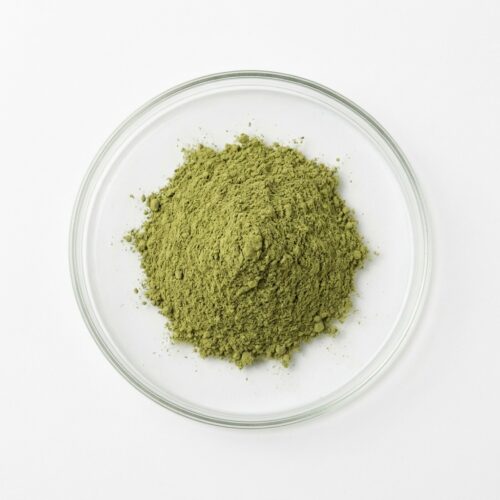
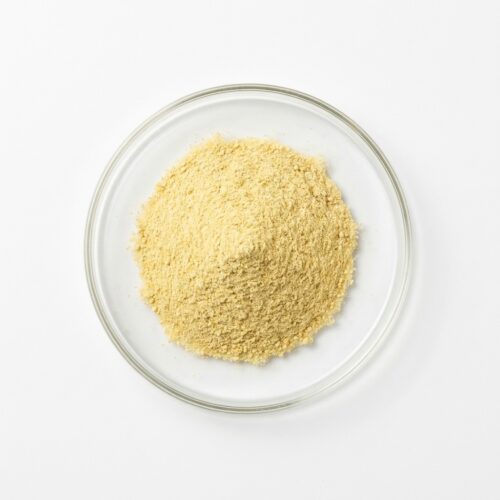
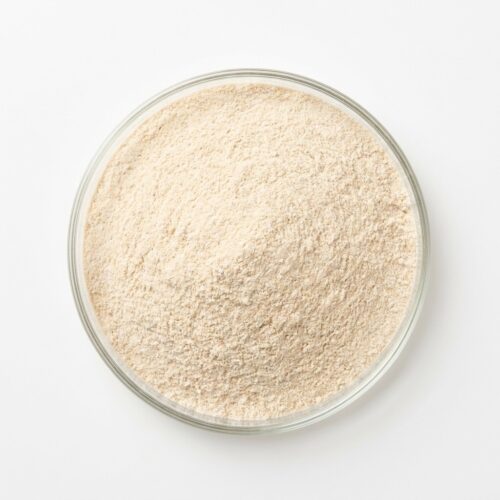
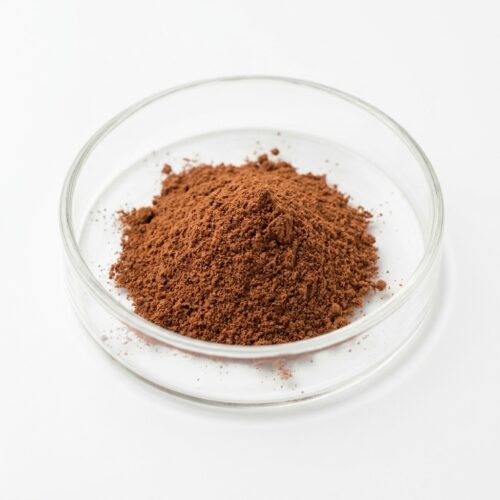
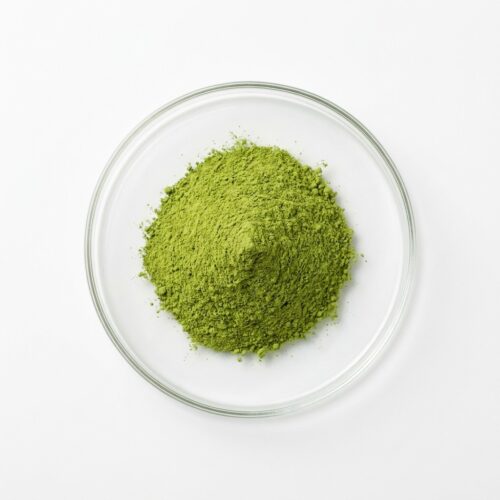
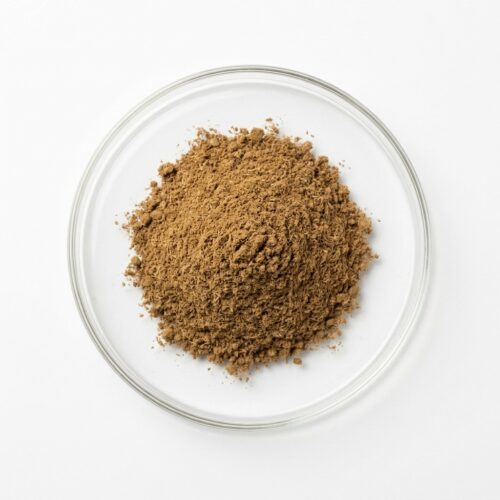
Sacha Inchi Powder is a nutrient-dense superfood ingredient derived from the seeds of Plukenetia volubilis, a plant native to the Amazon rainforest of Peru. Known as the ‘Inca peanut’ or ‘Sacha Inchi’, this remarkable seed boasts one of the highest plant-based omega-3 fatty acid concentrations known, alongside a complete amino acid profile and exceptional levels of Vitamin E and tryptophan — making it one of the most nutritionally complete plant-based protein and omega-3 sources available.
Sacha Inchi is gaining significant momentum in the global superfood and plant-based nutrition markets, particularly in Southeast Asia where it is being cultivated and positioned as a regional superfood with strong clean-label and sustainability credentials.
Applications:
- Nutraceuticals (plant-based omega-3 supplements, complete protein capsules, superfood blends)
- Sports Nutrition (plant protein powders, recovery and performance formulations)
- Functional Foods (superfood bars, health snacks, plant-based protein products)
- Beverages (superfood smoothie powders, plant protein shakes)
Key Features & Benefits:
- One of the highest plant-based omega-3 concentrations available
- Complete amino acid profile – all essential amino acids present
- Rich in Vitamin E and tryptophan (serotonin precursor)
- Halal-certified & food-grade quality
- Clean-label, sustainable Amazonian superfood with growing ASEAN market appeal
Whole-seed powder or protein powder
Sacha inchi (Plukenetia volubilis, Inca peanut) seeds are rich in oil and protein. Powders are made either by milling whole roasted seeds, which keeps most of the oil, or by milling the press cake left after the oil is pressed out, which gives a higher-protein, lower-fat powder. The two behave very differently, so ask for the fat and protein content of your lot, and whether the seeds were roasted or heat-treated.
Omega-3 from sacha inchi is ALA, not DHA
The oil is rich in alpha-linolenic acid (ALA), a plant omega-3, and linoleic acid (omega-6). The body converts only a small part of ALA into the long-chain omega-3s EPA and DHA. For DHA itself, see Algae Oil DHA Powder. Do not describe sacha inchi as a DHA or EPA source.
Formulation notes
Whole-seed powder is high in polyunsaturated oil, so it can turn rancid; keep packs sealed, cool and dark, and check peroxide value over shelf life. The protein powder has a nutty, slightly bitter taste and is used in plant protein shakes and bars, alongside ingredients such as Soy Peptides.
What the research says
- A 12-week randomised, double-blind trial by Universiti Sains Malaysia gave 54 patients with high blood sugar, blood pressure and blood lipids either 1,000 mg a day of sacha inchi oil or corn oil as placebo, alongside their prescribed medicines. The sacha inchi group showed lower systolic and diastolic blood pressure, lower total and LDL cholesterol and improved HDL, with no effect on blood sugar markers. The authors describe it as a preliminary trial. [1]
- In a 4-month randomised trial of 30 adults, 10–15 mL a day of sacha inchi oil or sunflower oil both lowered total and LDL cholesterol and blood pressure; HDL was higher with sacha inchi oil at 4 months. Nausea was the most common side effect with both oils in the first weeks and settled over time. [2]
- In a single-meal study of 30 adults, 30 g of sacha inchi flour gave a similar nitrogen balance to 30 g of soybean flour. [3]
- The two oil trials tested the oil, not powder. Results for oil cannot be assumed to apply to a powder.
These summaries describe published research on the ingredient. They are not claims for any finished product; claims on finished products must meet the rules of the market where they are sold.
References
- Mhd Rodzi NAR, et al. Effects of sacha inchi (Plukenetia volubilis L.) oil supplementation on hyperglycaemia, hypertension and hyperlipidaemia (3Hs) patients: a preliminary human trial. Plant Foods Hum Nutr. 2025;80(1):80. doi:10.1007/s11130-025-01309-8
- Gonzales GF, Gonzales C. A randomized, double-blind placebo-controlled study on acceptability, safety and efficacy of oral administration of sacha inchi oil (Plukenetia volubilis L.) in adult human subjects. Food Chem Toxicol. 2014;65:168-76. doi:10.1016/j.fct.2013.12.039
- Gonzales GF, et al. Nitrogen balance after a single oral consumption of sacha inchi (Plukenetia volubilis L.) protein compared to soy protein: a randomized study in humans. Toxicol Mech Methods. 2018;28(2):140-147. doi:10.1080/15376516.2017.1373880
Halal certification
This ingredient is listed as “Sacha Inchi Powder” on FC Materials’ Halal certificate (Sijil Pengesahan Halal, MS 1500:2019), issued through the Penang Islamic Religious Council (MAINPP) and the Department of Islamic Development Malaysia (JAKIM). Reference JAKIM.700-2/3/1 105-07/2022, valid until 15 October 2028. Ask us for a copy.
What to ask for on the certificate of analysis
- Botanical name and plant part (Plukenetia volubilis seed); whole seed or press cake
- Protein and fat content; fatty acid profile (ALA, linoleic acid) for whole-seed powder
- Peroxide value and acid value
- Roasting or heat treatment declared
- Aflatoxins
- Loss on drying, heavy metals (lead, arsenic, cadmium, mercury) and pesticide residues
- Microbiology: total plate count, yeast and mould, E. coli, Salmonella
- Batch number, manufacture and retest dates