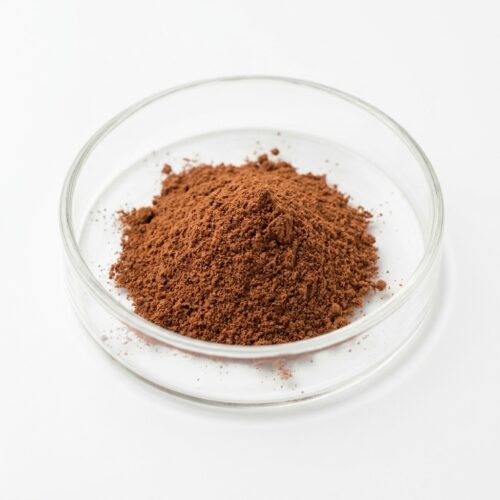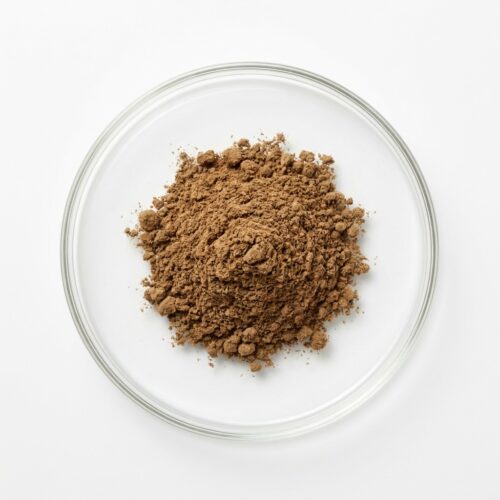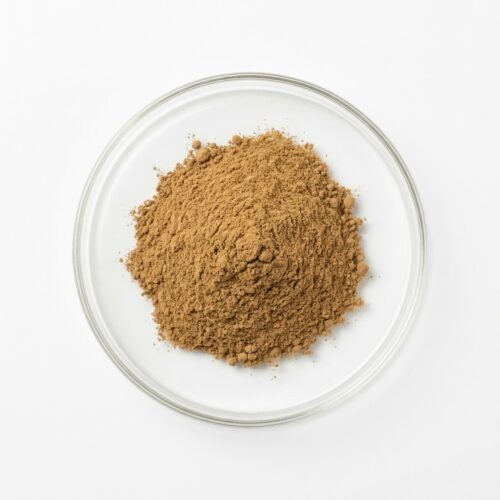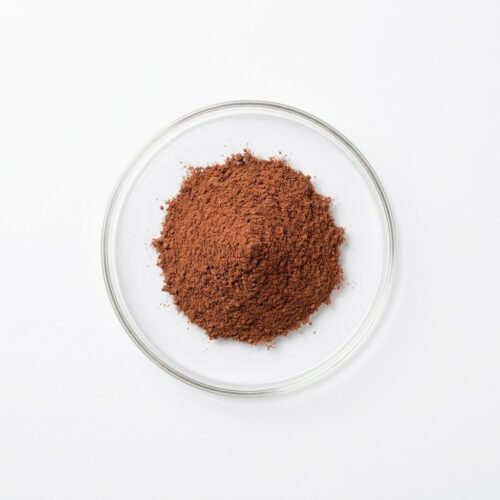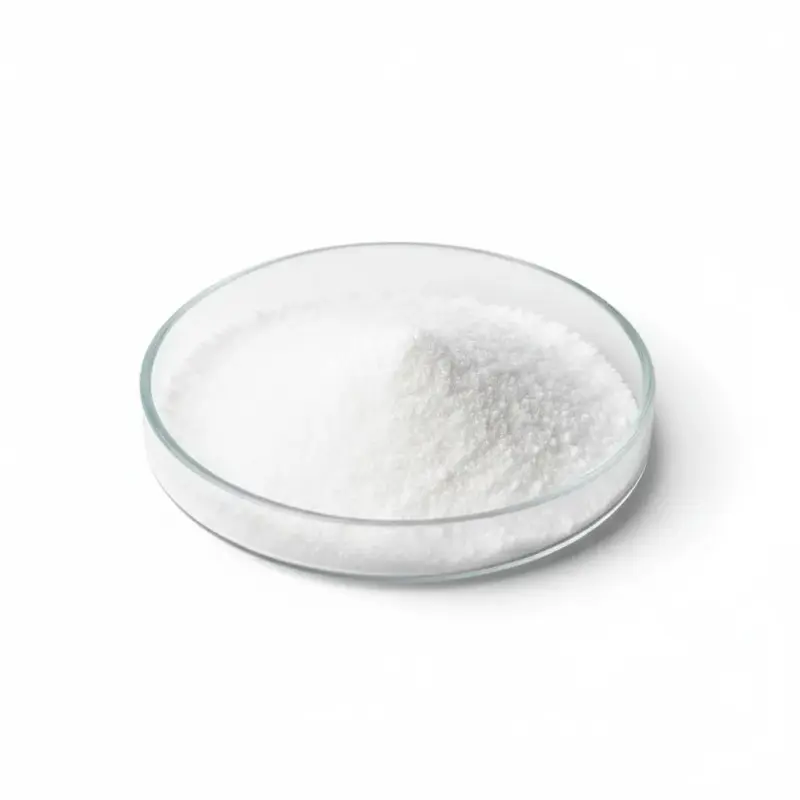
Soy Peptides is a premium enzymatically hydrolysed soy protein ingredient with a protein content of minimum 90% (dry basis, N x 6.25). Unlike intact soy protein, Soy Peptides are pre-digested into short-chain di- and tri-peptides through enzymatic hydrolysis — resulting in a protein ingredient with significantly faster absorption kinetics, reduced allergenicity compared to intact soy protein, and superior bioavailability for muscle protein synthesis and recovery applications.
Soy Peptides is a high-value, plant-based complete protein ingredient with all essential amino acids, making it the premier vegan and vegetarian alternative to whey peptides in sports nutrition, meal replacement, and functional food formulations.
Applications:
- Sports Nutrition (plant protein supplements, vegan protein powders, recovery formulations)
- Functional Foods (high-protein health bars, meal replacements, fortified cereals)
- Nutraceuticals (muscle health supplements, nitrogen balance formulations)
- Beverages (protein-enriched health drinks, plant-based protein shakes)
Key Features & Benefits:
- Protein min 90% (dry basis) – high purity plant protein ingredient
- Pre-hydrolysed peptides – faster absorption than intact soy protein
- Complete amino acid profile including all essential amino acids
- Halal-certified & food-grade quality
- Suitable for capsule, powder, food fortification, and beverage applications
What makes a soy peptide grade
Soy peptides are made by breaking soy protein down with enzymes. Two numbers describe a grade: the degree of hydrolysis and the molecular weight distribution (for example, the share of peptides below 1,000 Da). More hydrolysis gives better solubility and clarity in drinks, but also more bitterness from hydrophobic peptides. Ask for both figures and taste-test in your formula.
Still a soy allergen
Hydrolysis changes the protein but does not make it safe for people with soy allergy. Soy peptides must be declared as soy on the label. If your customers need non-GM soy, ask for identity-preserved sourcing and test certificates.
Formulation notes
Soy peptides dissolve readily, stay clear in acidic drinks and give less viscosity than intact soy protein, which suits ready-to-drink and jelly formats. They brown with sugars under heat. For plant protein blends, see also Sacha Inchi Powder.
What the research says
- A 2019 meta-analysis of the 46 trials the US FDA reviewed for its soy heart-health claim found that a median of 25 g a day of soy protein for about 6 weeks lowered LDL cholesterol by 4.76 mg/dL (about 3–4%) and total cholesterol by 6.41 mg/dL compared with non-soy protein. Most trials showed a reduction, but only a minority were individually significant. One co-author is from a soy industry institute. [1]
- These trials used intact soy protein. Results for soy peptides have not been shown to be the same.
These summaries describe published research on the ingredient. They are not claims for any finished product; claims on finished products must meet the rules of the market where they are sold.
References
- Blanco Mejia S, et al. A meta-analysis of 46 studies identified by the FDA demonstrates that soy protein decreases circulating LDL and total cholesterol concentrations in adults. J Nutr. 2019;149(6):968-981. doi:10.1093/jn/nxz020
Halal certification
This ingredient is listed as “Soybean Peptide Powder” on FC Materials’ Halal certificate (Sijil Pengesahan Halal, MS 1500:2019), issued through the Penang Islamic Religious Council (MAINPP) and the Department of Islamic Development Malaysia (JAKIM). Reference JAKIM.700-2/3/1 105-07/2022, valid until 15 October 2028. Ask us for a copy.
What to ask for on the certificate of analysis
- Protein content (N x 6.25, dry basis) and degree of hydrolysis
- Molecular weight distribution (for example % below 1,000 Da)
- Moisture, ash, pH and solubility
- GMO status or identity-preserved certificate
- Heavy metals (lead, arsenic, cadmium, mercury)
- Microbiology: total plate count, yeast and mould, E. coli, Salmonella
- Batch number, manufacture and retest dates; compliance with the food additive specification of your market (for example JECFA or the Malaysian Food Regulations)