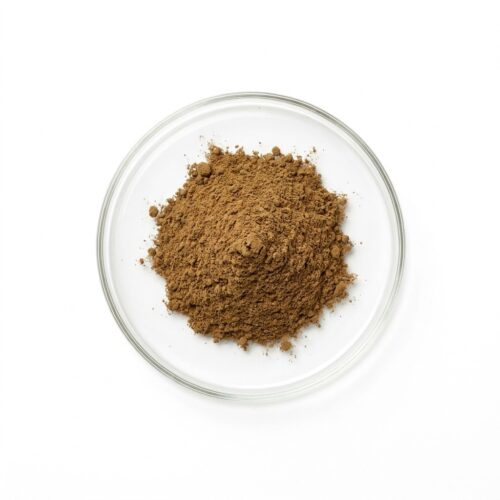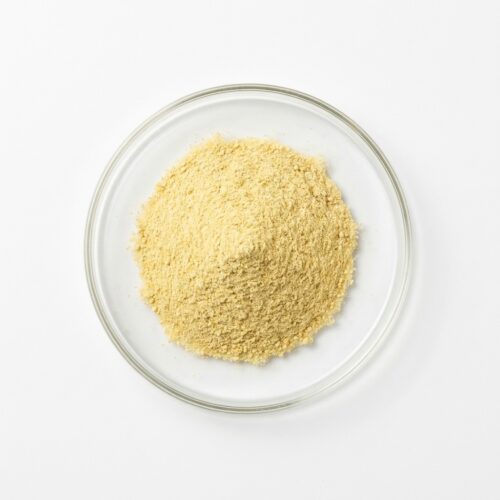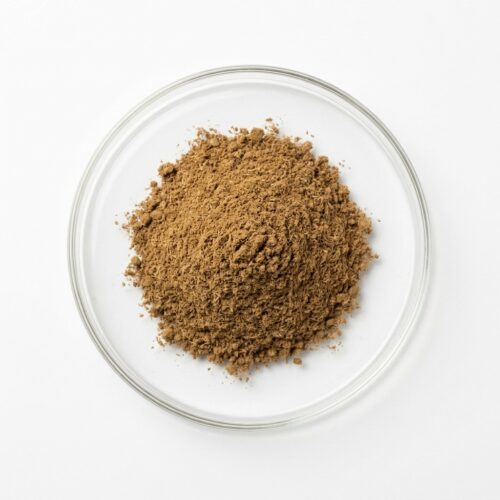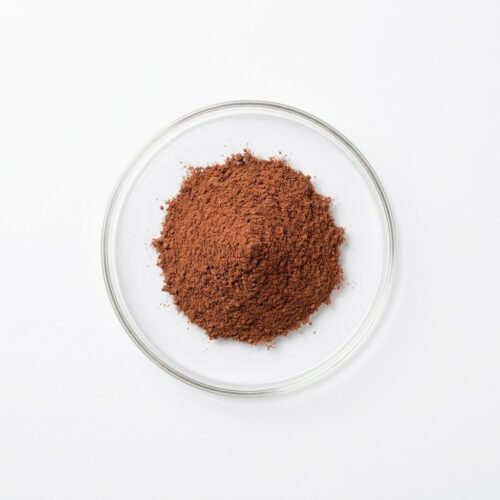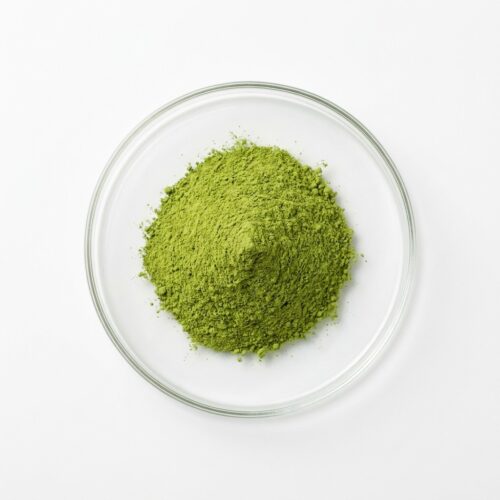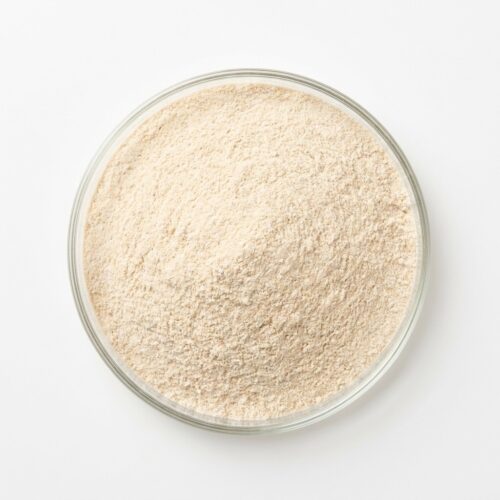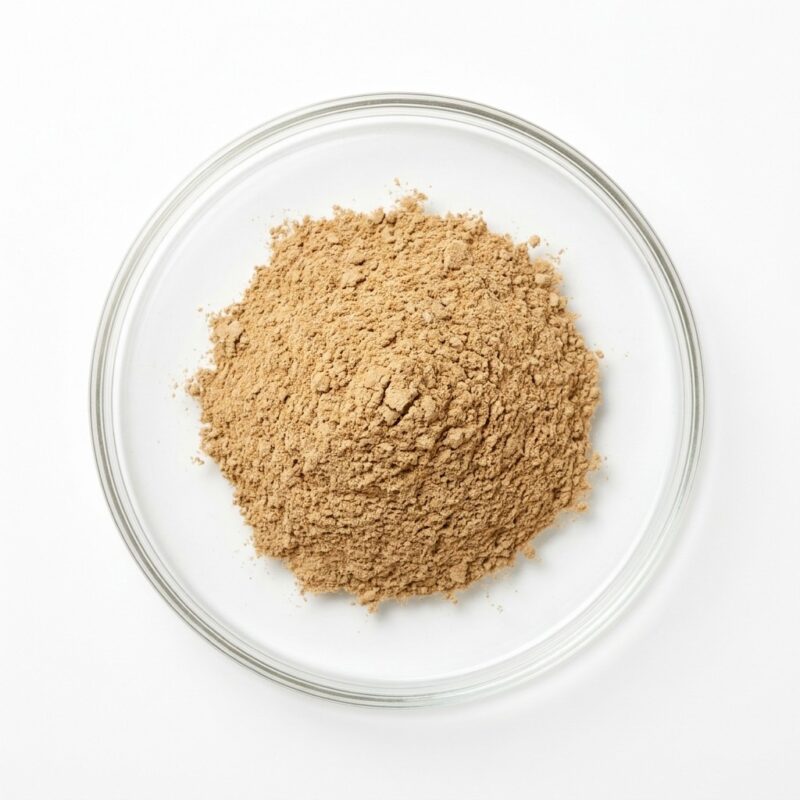
Sakura (Cherry Blossom) Extract (10:1) is a concentrated botanical extract derived from the flowers and leaves of Prunus species (Japanese cherry blossom), capturing the delicate floral bioactives of one of the most iconic flowers in East Asian beauty and wellness culture. At a 10:1 concentration ratio, this Halal-certified extract provides a potent dose of kaempferol, quercetin, hydroxycinnamic acids, and sakuranetin — antioxidant flavonoids associated with skin brightening, anti-ageing, and UV protective properties.
Sakura Extract occupies a premium positioning in the beauty supplement and cosmeceutical market, appealing strongly to consumers seeking premium Japanese-inspired beauty and wellness products.
Applications:
- Beauty Supplements (skin brightening capsules, beauty drinks, anti-ageing formulations)
- Nutraceuticals (antioxidant supplements, UV protection from within)
- Cosmeceuticals (brightening serums, anti-ageing creams, floral-inspired skincare)
- Premium Functional Beverages (Japanese-inspired beauty drinks, floral herbal teas)
Key Features & Benefits:
- 10:1 concentrated kaempferol and sakuranetin-rich beauty botanical
- Premium Japanese sakura imagery with strong appeal in Asian beauty markets
- Skin brightening, antioxidant, and UV-protective properties
- Halal-certified & food-grade quality
- Suitable for capsule, beauty drink, and topical formulations
Species and plant part
Sakura extracts are made from the flowers, and sometimes the leaves, of ornamental Japanese cherries such as Prunus serrulata and Prunus × yedoensis. Flower and leaf extracts differ in composition, so ask for the species and plant part on the specification.
Ask about coumarin
The typical aroma of salted sakura leaves comes from coumarin, released from its glycoside as the leaves are processed. Coumarin content in foods and flavourings is limited in several markets. If your extract contains leaf material or is used in food, ask for coumarin content by HPLC.
Food and cosmetic grades
Powder extracts for supplements and drinks are different products from the liquid sakura extracts used in cosmetics, which are usually in glycerin or butylene glycol. Confirm which grade you need and that it carries the right documentation (INCI name for cosmetics). Beauty-from-within blends often pair sakura with Astaxanthin or Lycopene.
Halal certification
This ingredient is listed as “Sakura Extract” on FC Materials’ Halal certificate (Sijil Pengesahan Halal, MS 1500:2019), issued through the Penang Islamic Religious Council (MAINPP) and the Department of Islamic Development Malaysia (JAKIM). Reference JAKIM.700-2/3/1 105-07/2022, valid until 15 October 2028. Ask us for a copy.
What to ask for on the certificate of analysis
- Botanical name and plant part (Prunus species, flower or leaf)
- Extraction ratio, solvent and carrier with its percentage
- Coumarin content, if leaf material is included or for food use
- Identity test (TLC or HPLC fingerprint)
- Loss on drying, heavy metals (lead, arsenic, cadmium, mercury) and pesticide residues
- Microbiology: total plate count, yeast and mould, E. coli, Salmonella
- Batch number, manufacture and retest dates