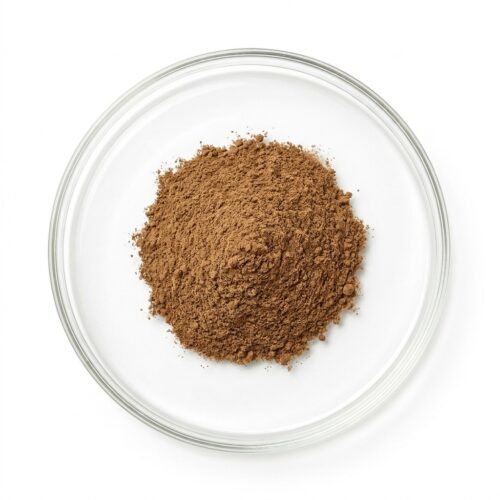
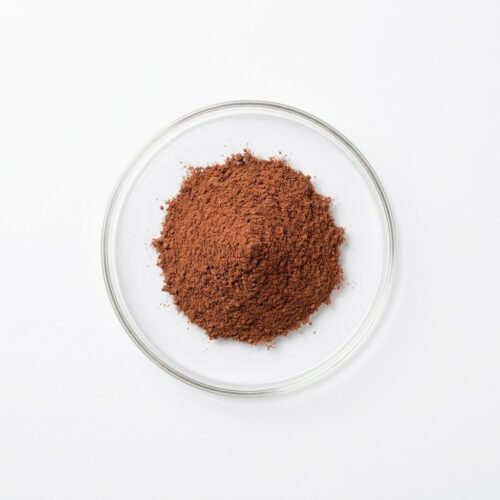
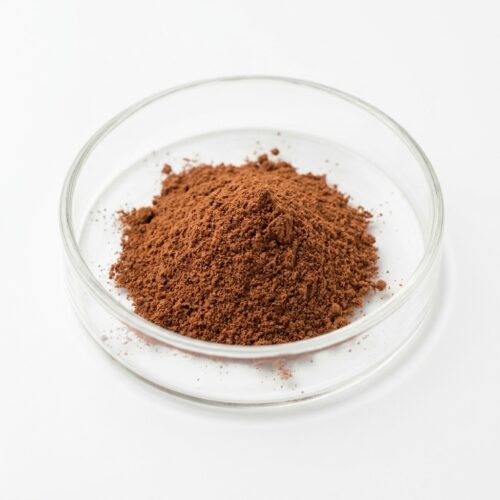
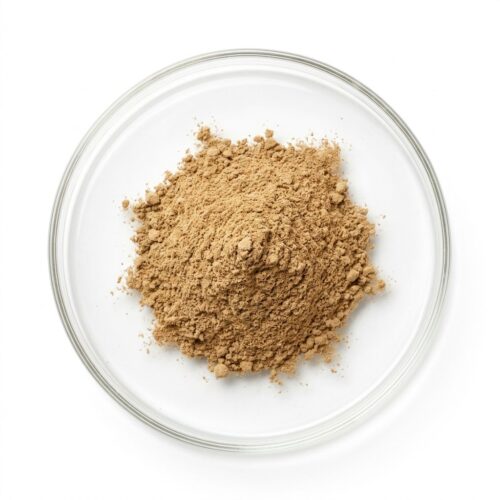
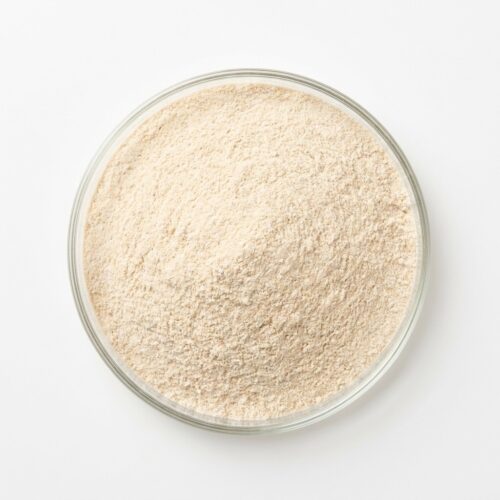
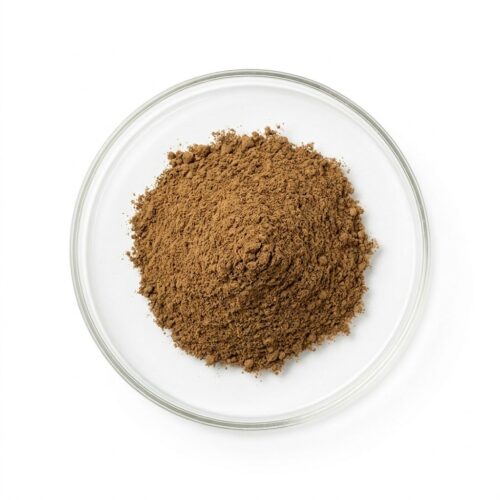
Superoxide Dismutase (SOD) is the body’s primary antioxidant enzyme, catalysing the dismutation of superoxide radicals — the most damaging reactive oxygen species generated during normal cellular metabolism. Oral SOD supplementation traditionally faced bioavailability challenges until the development of plant-derived SOD (from melon concentrate, Cucumis melo) encapsulated in a gliadin biopolymer matrix (GliSODin) that protects it through gastric digestion.
Applications:
- Antioxidant enzyme supplementation and oxidative stress management
- Sports recovery and exercise-induced oxidative damage protection
- Anti-ageing and longevity nutraceutical formulations
- Immune modulation and inflammatory condition management
Key Features & Benefits:
- Primary endogenous antioxidant enzyme — addresses root cause of oxidative stress
- Plant-derived from melon concentrate — vegan-suitable
- Gliadin-encapsulated forms available for oral bioavailability
- No animal substance – halal-certified
- Induces endogenous SOD, catalase, and GPx production
Allergen note: the coating matters
Protected oral SOD forms that use a gliadin coating contain gliadin, a wheat protein. That brings wheat and gluten allergen labelling, even though the enzyme itself is plant-derived and the ingredient is vegan-suitable. Confirm the coating and carrier on the specification before you make gluten-free claims or supply allergen-controlled production.
SOD is specified by activity, not by weight
An enzyme is sold on what it does, not on how much powder is in the bag. SOD is specified in activity units per gram, and different assay methods give different unit values for the same material. Compare offers only when the activity has been measured by the same method, and calculate your dose in activity units per serving rather than milligrams of powder.
Handling and processing
Like other enzymes, SOD loses activity with heat, moisture and extreme pH. Keep it out of heated process steps, store it cool and dry, and add it to dry blends or finished formats rather than to hot or liquid stages. Ask for stability data at your storage conditions.
What the research says
- In a 2014 trial, 61 healthy adults took 10 mg of SOD-melon concentrate (140 U) or placebo daily for 12 weeks. Perceived stress and fatigue scores fell more than with placebo. [1]
- Most authors of that trial worked for the company that makes the melon concentrate. [1]
- In a 2022 trial, 28 international-level rowers took gliadin-coated melon SOD or placebo for 6 weeks. Creatine kinase and IL-6 were lower in the SOD group. [2]
- A 6-month trial in 46 women aged 50–80 with knee or back discomfort found only trends. No outcome differed significantly from placebo. [3]
These summaries describe published research on the ingredient. They are not claims for any finished product; claims on finished products must meet the rules of the market where they are sold.
References
- Carillon J, et al. Dietary supplementation with a superoxide dismutase-melon concentrate reduces stress, physical and mental fatigue in healthy people: a randomised, double-blind, placebo-controlled trial. Nutrients. 2014;6(6):2348-59. doi:10.3390/nu6062348
- Dudašova Petrovičova O, et al. Effects of 6-week supplementation with GliSODin on parameters of muscle damages, metabolic, and work performance at international level rowers after specific maximal effort. Biology (Basel). 2022;11(10):1437. doi:10.3390/biology11101437
- Koike M, et al. Clinical efficacy of Melon GliSODin for the treatment of aging-related dysfunction in motor organs: a double blind, randomized placebo-controlled study. J Clin Med. 2022;11(10):2747. doi:10.3390/jcm11102747
What to ask for on the certificate of analysis
- SOD activity (units per gram) and the assay method.
- Source (e.g. melon concentrate) and full composition, including any coating or carrier.
- Allergen statement, specifically wheat and gluten.
- Moisture, heavy metals and microbiological profile.
Related ingredients
Other antioxidants often formulated alongside SOD: Coenzyme Q10 and Astaxanthin.