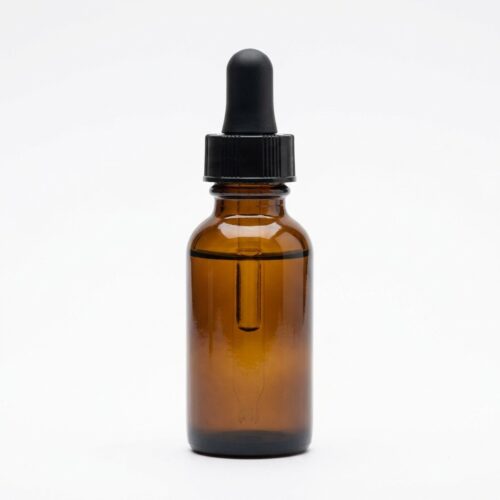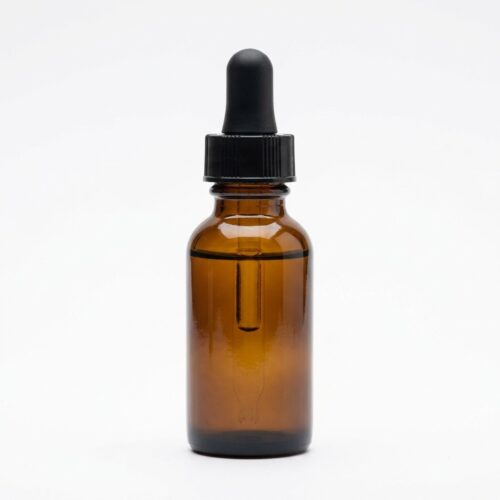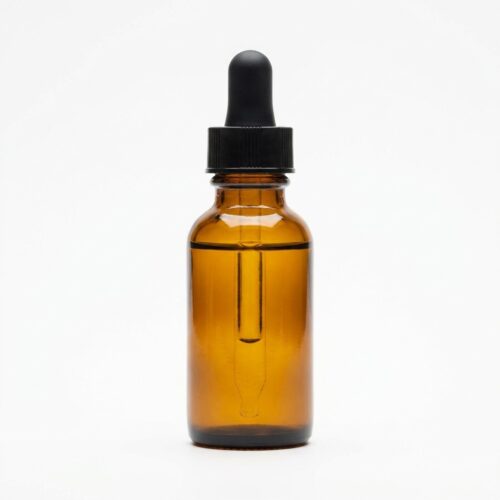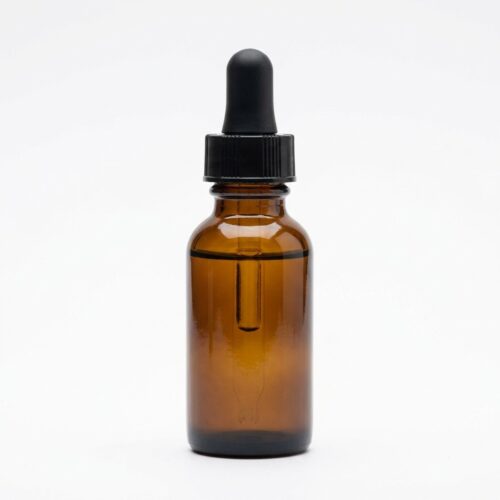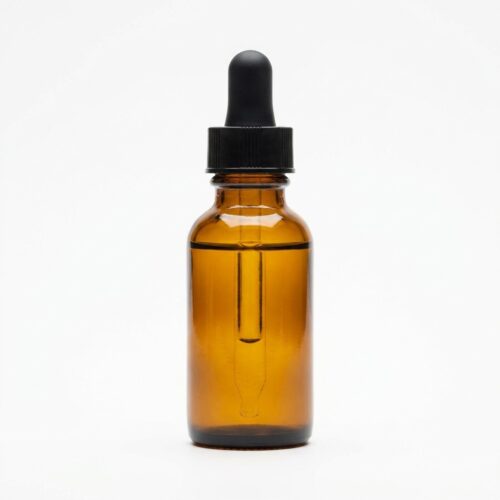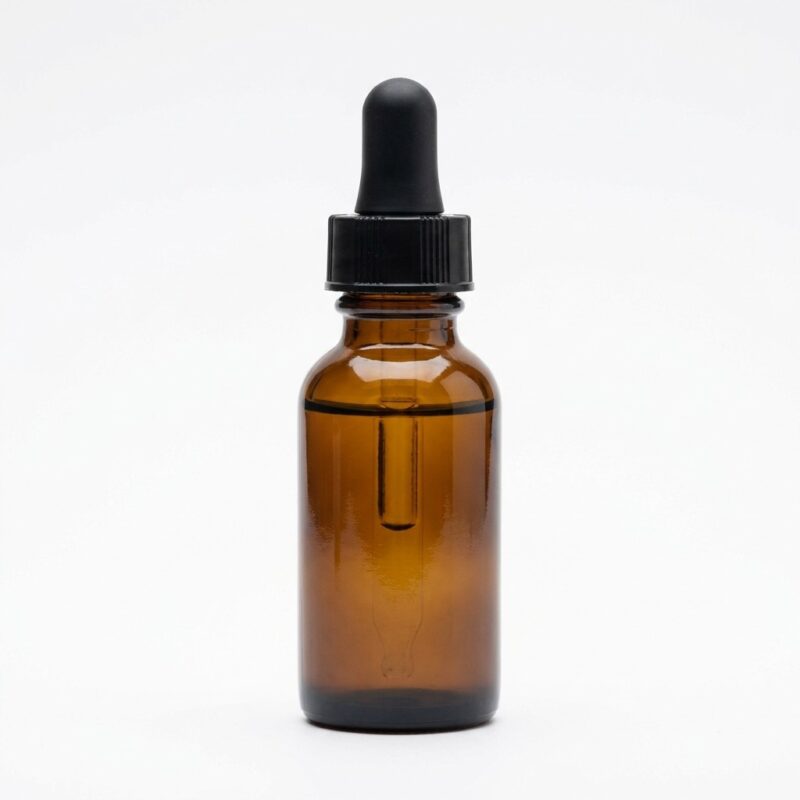
Tea Tree Essential Oil is a therapeutic-grade oil steam-distilled from the leaves of Melaleuca alternifolia (tea tree), presenting as colourless to pale yellow. The world’s most clinically studied natural antimicrobial essential oil, Tea Tree Oil is standardised for terpinen-4-ol (minimum 30%) — the primary compound responsible for its broad-spectrum antibacterial, antifungal, antiviral, and antiseptic activity. It is an indispensable ingredient in natural personal care formulations globally — particularly dominant in natural acne treatment, dandruff control, deodorant, and wound care product categories.
Applications:
- Skincare (acne treatment, blemish control, antimicrobial and wound care formulations)
- Haircare (anti-dandruff shampoos, scalp health, lice prevention formulations)
- Personal Care (natural deodorants, foot care, nail fungus treatments)
- Natural Cleaning (antimicrobial surface cleaning and disinfecting products)
Key Features & Benefits:
- Colourless to pale yellow – authentic terpinen-4-ol-rich tea tree essential oil
- No animal substance – suitable for vegan and Halal-compliant formulations
- Most clinically studied natural antimicrobial essential oil in the world
- Broad-spectrum antibacterial, antifungal, antiviral, and antiseptic
- Essential ingredient across natural acne, scalp, deodorant, and cleaning categories
Origin, and how tea tree is adulterated
Tea tree is one of the more frequently adulterated essential oils, because the compounds that define it are cheap to obtain elsewhere. The usual routes are dilution with terpinene fractions recovered from other distillations, addition of synthetic terpinen-4-ol, or blending with oil from related Melaleuca species that are not alternifolia. None of these are visible in the aroma to a non-specialist, and none are detectable from a specification sheet that reports only terpinen-4-ol.
What detects them is the full GC-MS fingerprint read as a pattern rather than as two numbers — the ratios between the minor constituents are what an adulterated oil gets wrong. Ask for the chromatogram, not just the summary table, and ask for country of origin and distillation date on the same document.
Formulation practice
Tea tree is not soluble in water. In a rinse-off or leave-on aqueous product it needs a solubiliser, because undispersed droplets concentrate the active at the skin surface — which is where most irritation reports actually originate, rather than from the use level on paper. It is normally formulated at low single-digit percentages of the finished product, and neat application is widely discouraged in professional practice; set your level against the regulatory position for the product type in your target market rather than against a competitor’s label.
Because it oxidises, specify opaque packaging and a realistic shelf life, and add it late in the process rather than through a hot phase.
What to ask for on the certificate of analysis
- Full GC-MS chromatogram, not only a terpinen-4-ol figure — the minor-constituent pattern is what exposes adulteration.
- Terpinen-4-ol and 1,8-cineole stated individually, reported against ISO 4730.
- Country of origin, plant species confirmed as Melaleuca alternifolia, and distillation date.
- Peroxide value, and a statement that the oil is neither rectified nor extended.
- Optical rotation, refractive index and specific gravity.
A certified-organic grade of this oil is available as Organic Tea Tree Oil where the finished product carries an organic claim.