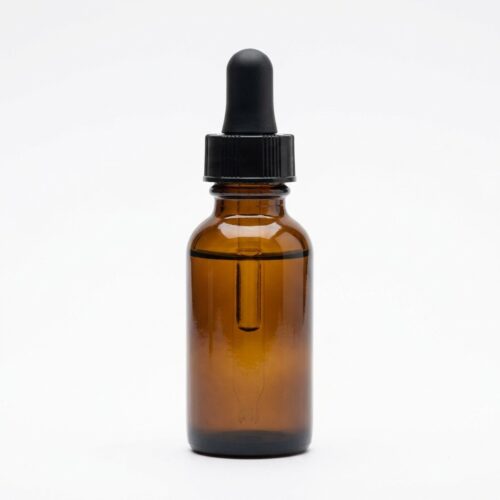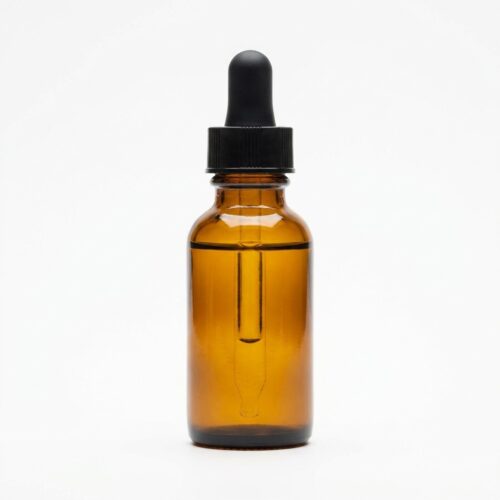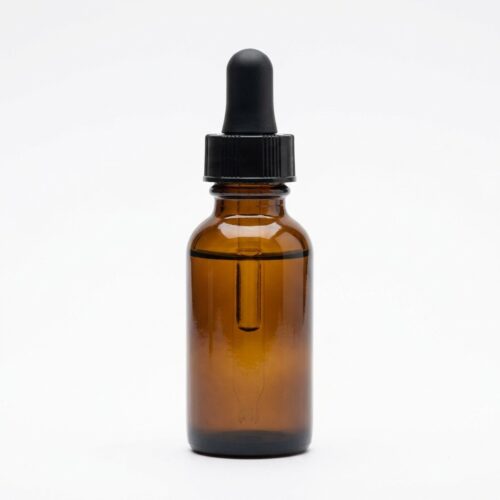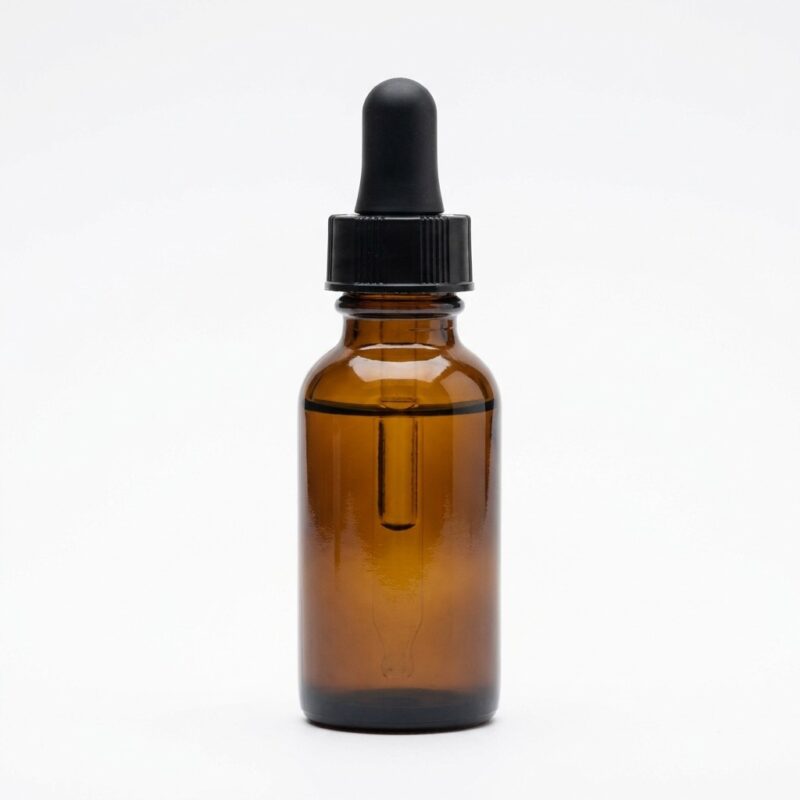
Turmeric Essential Oil is a therapeutic-grade oil steam-distilled from the rhizomes of Curcuma longa (turmeric), presenting as yellow to reddish-brown. Distinctly different from Curcumin Extract — which is a polyphenol oleoresin — Turmeric Essential Oil is a volatile aromatic oil rich in turmerones (ar-turmerone, alpha-turmerone, beta-turmerone) and zingiberene. These sesquiterpene ketones deliver powerful anti-inflammatory, neuroprotective, and skin-brightening properties, along with a warm, spicy, earthy-woody-sweet aromatic character that is deeply familiar across South and Southeast Asian cultural contexts.
Applications:
- Skincare (anti-inflammatory formulations, skin brightening serums, hyperpigmentation treatment)
- Aromatherapy (warming, grounding, anti-inflammatory, and neuroprotective diffuser blends)
- Sports & Massage (anti-inflammatory warming muscle massage formulations)
- Fine Fragrance (warm, exotic spicy-earthy note in oriental and Asian-inspired fragrances)
Key Features & Benefits:
- Yellow to reddish-brown – authentic therapeutic-grade turmeric rhizome oil
- No animal substance – suitable for vegan and Halal-compliant formulations
- Rich in turmerones for anti-inflammatory and skin-brightening properties
- Deep Malaysian and South Asian cultural familiarity (kunyit)
- Warm spicy-earthy character for oriental and exotic fragrance applications
Essential oil, oleoresin or curcumin extract
Turmeric gives three quite different raw materials. The essential oil is the steam-distilled volatile fraction, led by ar-turmerone, alpha-turmerone and beta-turmerone. Curcumin, the yellow pigment, is not volatile, so it does not distil: turmeric essential oil contains essentially no curcumin and is not a colourant. Oleoresin (solvent extraction) carries both the volatile oil and the pigments, and a curcumin extract is purified pigment standardised on curcuminoids. If a formula needs curcumin or colour, the right material is Curcumin Powder Extract, not this oil.
Rhizome versus leaf, fresh versus dried
Turmeric leaf oil is a separate product with a different, monoterpene-led profile and a sharper, greener odour; confirm that the oil is distilled from the rhizome. Oil from fresh and dried rhizome also differs in the balance of turmerones, so batch-to-batch consistency depends on a stable source. For a related spice rhizome oil, compare Ginger Oil.
What to ask for on the certificate of analysis
- Species (Curcuma longa) and plant part: rhizome, not leaf
- GC profile with ar-turmerone, alpha-turmerone and beta-turmerone quantified
- Physical constants: relative density, refractive index, optical rotation
- Country of origin and batch number
- Declarable fragrance allergens, if present, and an IFRA certificate for fragrance use
- Food or cosmetic grade, matching the end use