
Article Introduction
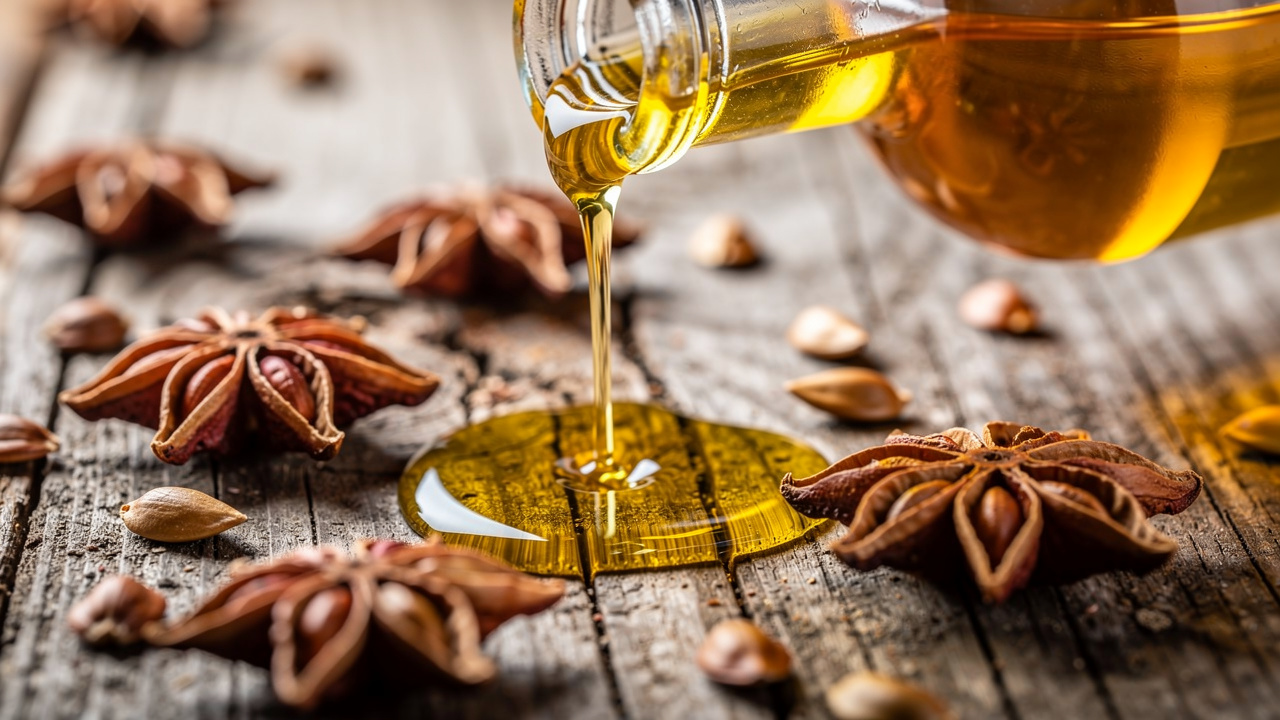
Walk down any pharmacy aisle or scroll through a health store site and a pattern jumps out quickly. More people are skipping fish oil and looking for plant-based omega-3 instead. That shift is exactly where sacha inchi oil steps in, giving product developers a powerful way to meet demand for cleaner, greener fats without sacrificing performance.
Pressed from the star-shaped seeds of the Plukenetia volubilis plant, sacha inchi oil delivers about 48% omega-3 ALA, around 36% omega-6, and roughly 9% omega-9. This rare balance makes it stand out among plant oils. It works as a serious health supplement ingredient, a smart food fortifier, and a high-value cosmetic oil for skin and hair care.
For manufacturers in Malaysia and across Southeast Asia, this plant based omega 3 oil also connects directly with key local health concerns such as the “Three Highs” – high blood pressure, high blood sugar, and high cholesterol. At the same time, vegan, flexitarian, and Halal-conscious consumers expect clean labels, recognised certifications, and compliant claims.
This article walks through everything needed to assess sacha inchi oil for commercial use. That includes the plant’s origins, its nutritional science, proven health benefits, industrial applications, quality and regulatory requirements in Malaysia, and practical sourcing guidance. Along the way, it highlights how FC Materials Sdn Bhd, through its Inchaoil range, supports manufacturers with cold pressed organic sacha inchi oil and softgels backed by Halal, quality, and regulatory expertise.
“The greatest wealth is health.” – Virgil
Key Takeaways
Sacha inchi oil offers about 48% omega-3 ALA, giving one of the highest plant-based omega-3 contents available and strong support for heart, brain, skin, and hair health. Manufacturers can position it as a premium, vegan alternative to fish oil in multiple product categories.
Cold pressed sacha inchi oil keeps delicate fatty acids, vitamins, and antioxidants intact while avoiding chemical solvents. This supports clean-label claims and gives a clear quality edge over refined or solvent-extracted oils in supplements, foods, and cosmetics.
The oil fits well in nutraceutical softgels, liquid supplements, functional foods, beverages, skincare, haircare, and even pharmaceutical carriers. Its mild flavour, skin feel, and nutritional profile help product developers create clear, benefit-led formulas.
Malaysian brands must pay close attention to GMP, HACCP, ISO 9001, Halal certification, NPRA registration, and KKLIU advertising rules. Working with a supplier that understands these rules reduces risk and speeds time to market.
FC Materials Sdn Bhd supplies cold pressed organic sacha inchi oil and softgel formats, along with documentation, Halal support, and local regulatory know-how, helping manufacturers bring compliant, high-value products to market with confidence.
What Is Sacha Inchi Oil? Origins, Plant Profile, And Why It Matters
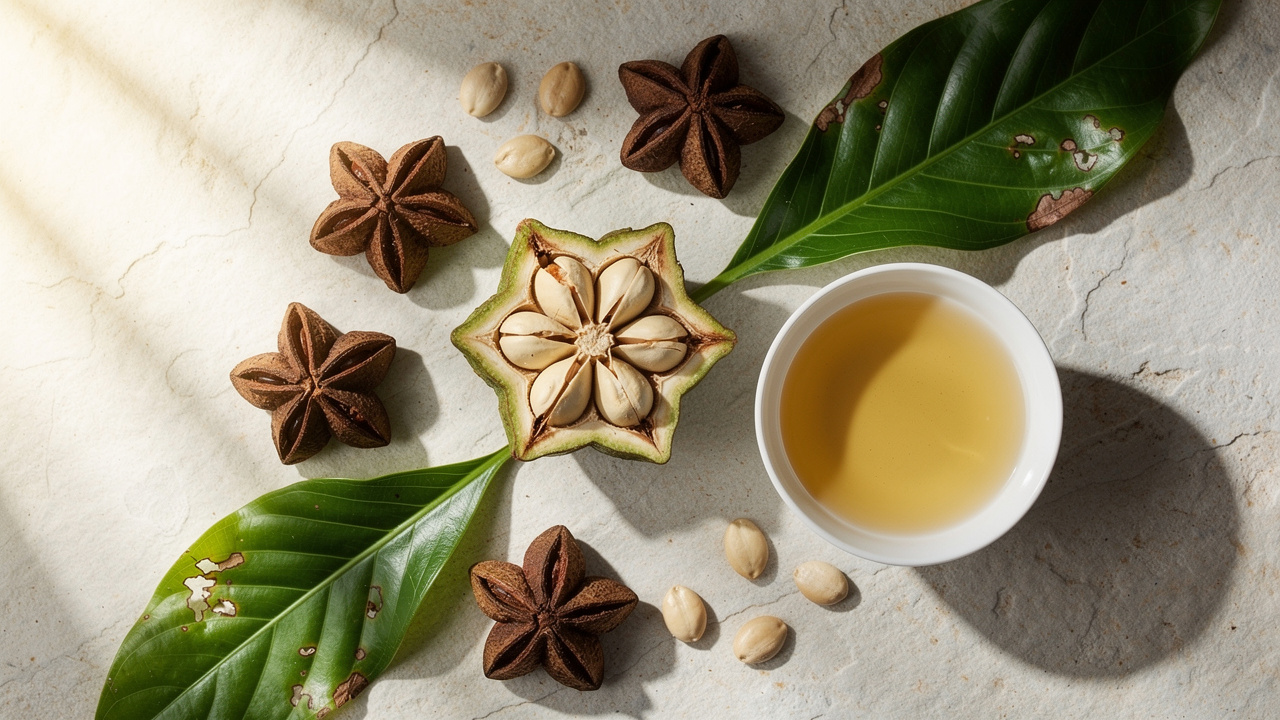
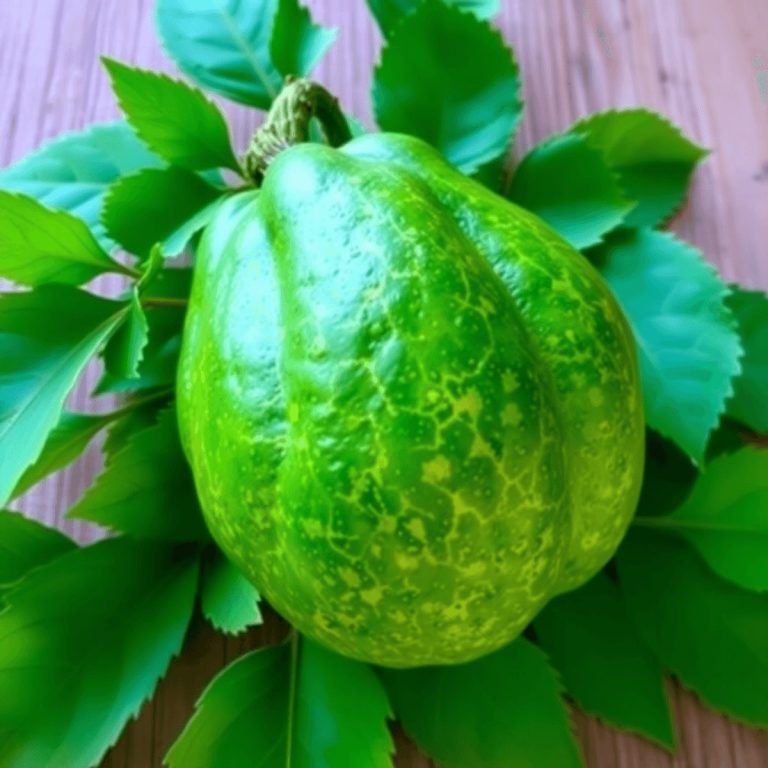
Sacha inchi, or Plukenetia volubilis L., is a perennial climbing plant first used by indigenous communities in the Amazon region. Often called the Inca peanut or mountain peanut, it produces distinctive star-shaped green pods that turn brown and woody as they dry. Inside each pod are the seeds that yield premium Peruvian sacha inchi oil once pressed.
For centuries, communities in Peru and neighbouring areas roasted and ate the sacha inchi seed and used the oil as a nutrient-dense food. This long traditional use gives the ingredient a strong heritage story, which modern brands can share when explaining why it is viewed as a superfood omega-3 oil source.
The plant adapts well to warm, humid climates, which is why it now grows not only in South America but also in parts of Southeast Asia, including Malaysia. Local cultivation reduces transport distance, supports fresher raw material, and helps manufacturers who want a more traceable plant based omega 3 oil supply close to their factories.
Each mature seed can contain more than 40% oil. This oil is where most of the commercial interest lies, thanks to the very high level of omega-3 ALA combined with omega-6, omega-9, vitamins, and antioxidants. When pressed gently, the result is Plukenetia volubilis seed oil with a pale golden colour and a mild, nutty aroma that works well in both food and cosmetic formulations.
For personal care brands, the botanical name Plukenetia volubilis seed oil is the term used on INCI lists and product labels. For food and nutraceutical products, “sacha inchi oil” or “inca inchi oil” is more common. In every case, consistent sourcing from controlled plantations and monitored harvests matters. Managing fertiliser use, avoiding contamination, and standardising drying conditions all feed into a reliable fatty acid profile and oxidative stability, which are key for industrial buyers.
This strong agricultural base sets up the next piece of the story. The seed is interesting, but it is the nutritional power locked inside the oil that truly drives interest from health supplement, food, and cosmetic manufacturers.
The Nutritional Powerhouse With Omega Fatty Acid Profile And Bioactive Compounds
Sacha inchi oil is often described as a nutritional powerhouse because its composition is both dense and well balanced. Instead of providing only one type of fat or a single vitamin, it brings together high levels of essential fatty acids with natural antioxidants and other bioactive compounds.
For product developers, this means one ingredient can support a long list of structure and function claims, from heart and brain health to skin barrier support. To make smart formulation decisions and accurate marketing statements, it helps to break the composition into two main parts – the fatty acid profile and the micronutrients.
Omega-3, Omega-6, And Omega-9 For A Complete Fatty Acid Profile
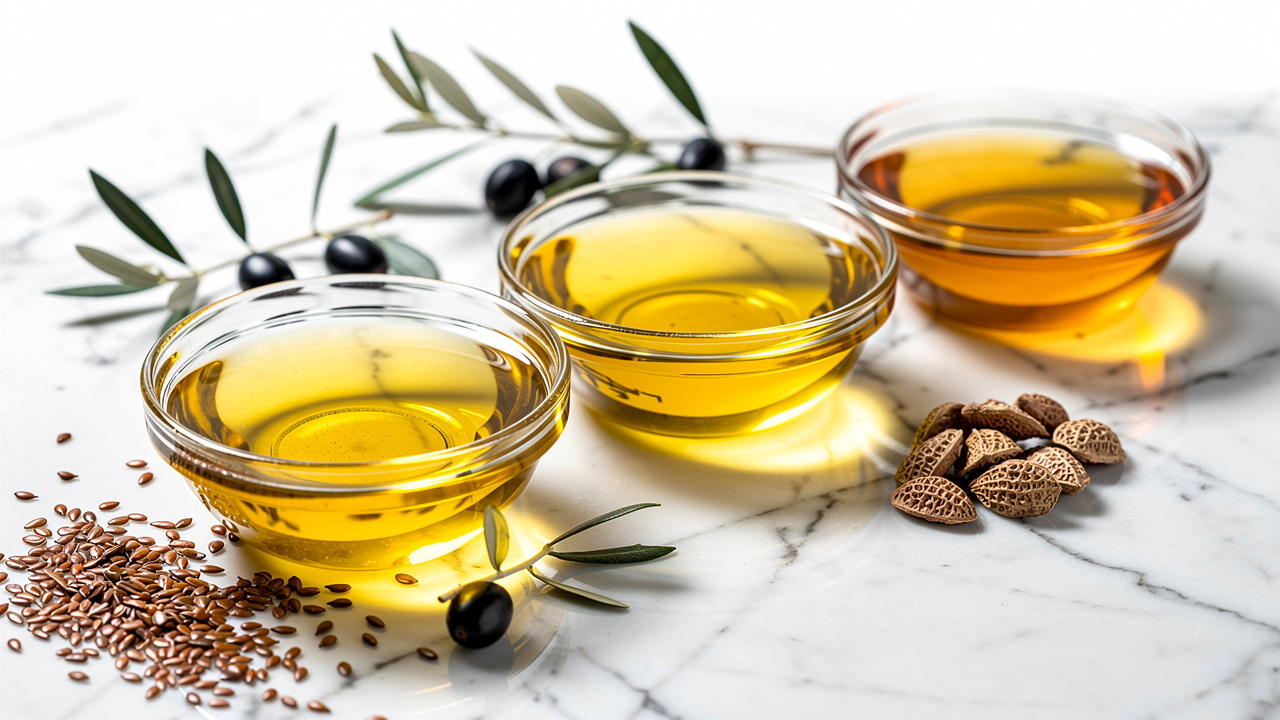
The most important reason manufacturers choose sacha inchi oil is its omega-3 content. Around 48% of the oil is alpha-linolenic acid (ALA), an essential fatty acid that the human body cannot make on its own. It must come from diet or supplementation. ALA acts as a building block for the longer-chain omega-3s EPA and DHA, which are linked with brain, eye, and heart health.
While flax oil also has very high ALA, sacha inchi oil offers a similar range with a more rounded overall profile and a pleasant, mild taste. For vegan, vegetarian, and flexitarian consumers who avoid fish oil, this makes sacha inchi omega 3 products a very attractive option. Manufacturers can highlight that each serving delivers a meaningful amount of ALA from a single plant source.
Omega-6 linoleic acid forms roughly 36% of sacha inchi oil. Many common vegetable oils, such as sunflower and soybean oil, have plenty of omega-6 but very little omega-3, which can push the dietary ratio far out of balance. By contrast, the omega-6 to omega-3 ratio in sacha inchi oil is naturally closer to what researchers consider supportive of a healthy inflammatory response. This balanced ratio is a strong talking point for both nutraceutical and functional food launches.
Omega-9 oleic acid makes up around 9% of the oil. While the body can produce omega-9, dietary intake is still linked with benefits such as support for healthy cholesterol levels and heart function. Oleic acid is also the main fatty acid in olive oil, so its presence in sacha inchi oil adds familiarity and further strengthens the case for heart-focused products.
When compared to common kitchen oils like canola, sunflower, or corn oil, sacha inchi oil offers far more omega-3 and a much more balanced overall profile. Those mainstream oils tend to be omega-6 heavy and contribute very little ALA. This difference gives manufacturers a clear, fact-based way to position products using sacha inchi oil as premium and health focused.
Vitamins, Antioxidants, And Other Bioactive Compounds
Beyond the fatty acids, sacha inchi oil contains a range of micronutrients that support both health benefits and shelf life. Key components include:
Vitamin E (tocopherols): Vitamin E acts as a powerful fat-soluble antioxidant inside the body, shielding cell membranes from oxidative damage by free radicals. The same property helps protect the oil itself, slowing down rancidity and helping maintain a fresh taste and stable fatty acid profile.
Vitamin A precursors (carotenoids): Carotenoids play important roles in vision, immune defence, and normal cell communication. On the skin, Vitamin A is associated with smoother texture and improved renewal, making it a favourite in anti-ageing and brightening products. When used in a formula with sacha inchi oil for skin, these carotenoids join with Vitamin E to support multi-layer antioxidant claims.
Phytosterols: These plant compounds resemble cholesterol in structure and can reduce its absorption in the intestine when eaten in sufficient amounts. In food and supplement applications, this adds a further argument for using sacha inchi oil in products that support cholesterol management and heart wellness.
Taken together, the fatty acids, vitamins, antioxidants, and phytosterols give sacha inchi oil a broad nutritional base. Many of these compounds are heat sensitive. This is why organic sacha inchi oil extracted by cold pressing, such as that offered by FC Materials Sdn Bhd, is preferred. Gentle mechanical pressing at low temperatures keeps the natural micronutrient mix closer to its original state, which matters for both product performance and marketing claims.
“The type of fat you eat is as important as how much you eat.” – Common nutrition guidance
Evidence-Based Health Benefits Of Sacha Inchi Oil
Once the composition is understood, it is easier to connect sacha inchi oil with specific health outcomes. Research and traditional use both point to benefits in heart and metabolic health, oxidative stress, inflammation control, brain function, and skin and hair condition.
For Malaysian manufacturers, these benefits align closely with local health priorities, especially products that help manage the Three Highs and support active ageing. At the same time, cosmetic brands can link the same oil to hydration, barrier repair, and calming of irritated skin.
“Heart health is built day by day through the small choices we make.” – Public health saying
Cardiovascular Health And The “Three Highs”
Cardiovascular and metabolic health is the most important commercial area for sacha inchi oil in Malaysia. The high ALA content works with omega-9 and phytosterols to support better blood lipid profiles. Regular intake has been associated with lower triglycerides, reduced LDL (“bad”) cholesterol, and maintenance or slight increases in HDL (“good”) cholesterol. These effects help lower the risk of plaque build-up in arteries.
Omega-3 ALA also influences how flexible blood vessels are. By improving endothelial function, it helps vessels relax and widen more easily, which can support healthier blood pressure. Omega-9 oleic acid contributes similar benefits and is widely recognised from olive oil research. This combination makes a strong story for heart-focused health supplements and functional foods that include sacha inchi oil.
Healthy fats also play a part in blood sugar control. By slowing gastric emptying and supporting better insulin sensitivity, they can help even out blood glucose swings, which is particularly relevant for people dealing with prediabetes or type 2 diabetes. Sacha inchi benefits in this area are of strong interest in a country where metabolic syndrome and fatty liver disease are significant concerns.
Local collaboration with institutions such as Universiti Sains Malaysia adds extra weight for Malaysian brands. Research projects examining sacha inchi oil and the Three Highs show serious scientific interest rather than passing marketing claims. Manufacturers can draw on this context, within regulatory limits, when positioning products that use Inchaoil from FC Materials Sdn Bhd for cardiovascular and metabolic support.
Antioxidant Properties And Anti-Inflammatory Benefits
Oxidative stress and chronic low-grade inflammation sit behind many long-term health problems, from joint pain to cognitive decline. Sacha inchi oil offers help on both fronts. The balanced omega-3 to omega-6 ratio steers the body towards forming more anti-inflammatory signalling molecules and fewer pro-inflammatory ones. Over time, this can help ease the background inflammatory load.
At the same time, Vitamins E and A, together with phenolic compounds, mop up free radicals before they damage cell membranes, proteins, and DNA. This antioxidant action supports organ health, slows visible and invisible signs of ageing, and reduces the impact of environmental stressors. For supplement brands, these linked anti-inflammatory and antioxidant actions make sacha inchi oil a strong base for formulas focused on immune defence, joint comfort, or healthy ageing.
Cognitive Function And Neurological Support
The brain is rich in fat, and omega-3s form a key part of nerve cell membranes. While ALA must be converted into DHA and EPA, having a reliable daily intake still matters for long-term neurological wellness. Sacha inchi oil gives a simple way to provide this intake in a vegan form.
By supporting membrane fluidity, omega-3s help nerve cells communicate effectively. This supports memory, learning, focus, and mood balance. Antioxidants from sacha inchi oil add another layer by shielding brain tissue from oxidative damage, which builds up with age. Combining these effects, manufacturers can design sacha inchi benefits products that speak to brain health, study support, or mental clarity, always within allowed claim wording.
For brands that already offer fish oil, adding a sacha inchi oil line allows them to serve customers who avoid marine ingredients but still care about long-term brain and nervous system health.
Skin And Hair Health Benefits

Sacha inchi oil for skin is one of the most promising personal care uses. The skin barrier relies on a mixture of lipids to stay intact. Omega-3 and omega-6 fatty acids from sacha inchi oil help replenish this mix, so the barrier holds water better and keeps irritants out. This is especially useful in moisturisers and serums for dry, mature, or stressed skin.
The anti-inflammatory nature of the oil also makes it attractive for products aimed at troubled skin. Formulas using sacha inchi oil for eczema, psoriasis, rosacea, or acne-prone skin can highlight its calming effect on redness and irritation, provided claims follow regulatory guidance. At the same time, Vitamin E supports tissue repair and helps soften the look of scars and fine lines, while Vitamin A derivatives encourage smoother renewal.
On the scalp, these same properties support comfort and resilience. Sacha inchi oil benefits for hair include stronger strands, less breakage, and a smoother cuticle, which translates into more shine. The oil’s light texture means it absorbs without leaving a heavy, greasy feel, so it works in leave-in treatments, hair masks, and lightweight conditioners.
Taken together, these features make sacha inchi oil for hair and skin a strong candidate for premium, natural, and dermocosmetic product lines that want both a sensory and a science-backed story.
“Healthy skin often starts from within, long before any cream touches the surface.” – Skincare saying
Cold-Pressed Sacha Inchi Oil And Why Extraction Method Defines Quality
The way sacha inchi oil is produced has a direct impact on its nutritional value, stability, and clean-label appeal. For a high-end omega-3 superfood oil, cold pressing is widely accepted as the gold standard. This method uses mechanical pressure at carefully controlled low temperatures to squeeze oil from the sacha inchi seed without chemical solvents.
Heat and harsh processing can break down polyunsaturated fatty acids and destroy sensitive vitamins. They can also generate off-flavours and unwanted compounds. With a cold pressed approach, the aim is to keep the natural profile as close as possible to what is in the original sacha inchi seed.
Solvent extraction, often using hexane, can pull out more oil per kilogram of seed, but it carries trade-offs. High temperatures used to remove the solvent can damage omega-3 and omega-6 chains, and there is always the need to manage and test for solvent residues. For brands that position themselves as natural or clean label, this creates a marketing and regulatory headache.
Cold pressed sacha inchi oil brings several clear advantages that matter for B2B buyers:
Better protection of delicate polyunsaturated fatty acids. When the pressing temperature stays low, omega-3 and omega-6 remain in their natural form instead of breaking into smaller fragments or converting into unwanted isomers. This keeps the advertised fatty acid profile honest and supports product claims without heavy processing.
Preservation of heat-sensitive micronutrients. Vitamins such as Vitamin E and carotenoids, along with other antioxidants, stay far closer to their original levels after gentle mechanical extraction. This is important for both health supplement claims and personal care formulas that rely on the oil’s native antioxidant power.
Strong fit with clean-label expectations. Because no chemical solvents are involved, brands can confidently talk about pure sacha inchi oil with no solvent residues. For consumers who read ingredient lists closely, especially in the organic or natural segments, this point makes a real difference.
Better taste and aroma. The mild, nutty flavour and pleasant aroma are preserved, which is vital for liquid supplements, salad dressings, and other food uses. A neutral, natural flavour also helps when formulating sacha inchi oil uses in smoothies or functional beverages, where a strong aftertaste would be unwelcome.
Cold pressed organic sacha inchi oil from FC Materials Sdn Bhd is produced using this mechanical, low-temperature method. Manufacturers should always confirm extraction details with any supplier and ask for documentation that describes the process. Another key point is application. Because of its high PUFA content, the oil is best used in low-heat or no-heat contexts such as softgels, direct liquid supplements, salad dressings, and as a finishing oil, rather than for frying or high-heat cooking.
Industrial Applications And How Manufacturers Can Use Sacha Inchi Oil
Thanks to its nutritional profile, pleasant taste, and cosmetic benefits, sacha inchi oil fits naturally into several industries. Nutraceutical companies can build heart and brain support ranges. Food brands can fortify everyday products with plant-based omega-3. Personal care developers can design serums, creams, and haircare items that combine performance and natural appeal. Pharmaceutical and medical nutrition developers can also explore it as a carrier or active component.
FC Materials Sdn Bhd supplies Inchaoil in both bulk liquid and softgel forms, which gives manufacturers flexibility across categories.
Nutraceuticals And Health Supplement Formulations
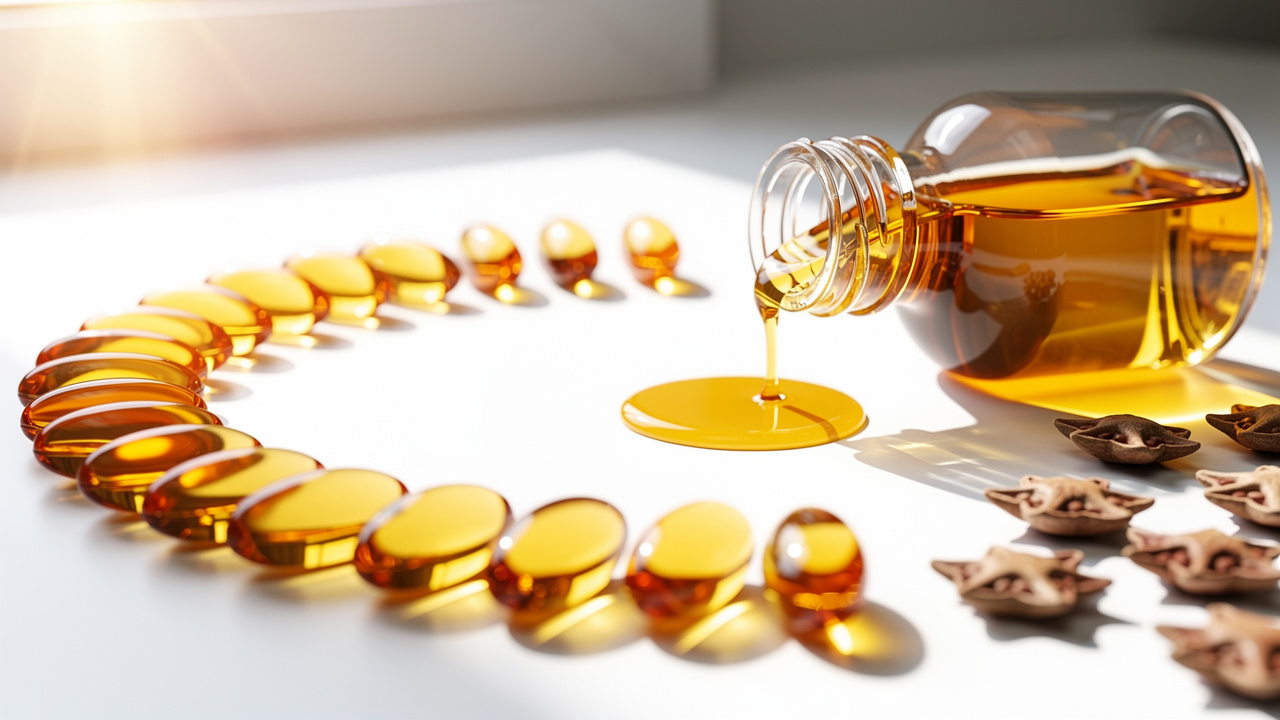
The nutraceutical sector is currently the main commercial home for sacha inchi oil. Here, softgel capsules are the dominant format. Each softgel normally contains between 500 mg and 1000 mg of oil, giving a simple way to provide a clear daily intake. The softgel shell protects the oil from oxygen and light, slowing oxidation and keeping odour and taste contained.
Key nutraceutical formats include:
Softgel capsules: Conventional or vegetable-based shells (from tapioca starch or seaweed derivatives) are especially important for vegan, vegetarian, and Halal-conscious consumers. In Malaysia, this is a strong selling point, as many people prefer plant-based options but still want effective omega-3 support. Brands can clearly label plant based omega 3 oil on pack and in marketing for this audience.
Liquid oils in bottles: Liquid cold pressed sacha inchi oil serves consumers who like to add a spoonful to smoothies, yoghurt, or salad each day. This format suits more personalised dosing and can also support combination products where the oil is blended with other liquid actives.
Multi-ingredient blends: Sacha inchi oil combines well with fat-soluble nutrients such as Vitamin D3, Coenzyme Q10, and lutein. The oil helps these actives disperse and absorb, while the actives add more targeted benefits, such as bone and immune support or heart and energy support.
From a guidance point of view, many Malaysian products recommend one or two softgels daily after a meal. This simple dosing structure is easy for consumers to follow. Finished products should also carry a standard message advising users to consult a doctor or pharmacist before starting any new supplement.
Food And Beverage Applications
Food and beverage manufacturers can use sacha inchi oil to add meaningful omega-3 content and a better fat profile to everyday products. Because the oil is sensitive to high temperatures, it works best in cold or gently processed items rather than in deep-fried snacks or high-temperature baking.
Popular sacha inchi oil uses in food and drinks include:
Salad dressings and sauces: Using sacha inchi oil as the main or partial base creates a dressing that tastes pleasantly nutty while delivering extra omega-3. Dips, spreads such as hummus, and plant-based mayonnaises can also benefit from this substitution without dramatic flavour changes.
Beverages and smoothies: The oil can be blended into smoothies, plant-based milks, and wellness shots. With appropriate emulsifiers or homogenisation, it disperses well and gives a smoother mouthfeel. This approach supports ready-to-drink products that promote brain, heart, or beauty-from-within benefits.
Snacks and plant-based alternatives: Snack brands can use the oil in granola, nutrition bars, and other low-heat-processed snacks to increase healthy fat content. In plant-based meat and dairy alternatives, sacha inchi oil’s combination of omega-3, omega-6, and omega-9 helps improve nutritional labels and contributes to a richer, more satisfying texture.
FC Materials Sdn Bhd positions its Inchaoil range as suitable for nutritional, beverage, bakery, dairy, and confectionery development where processing temperatures remain moderate.
Personal Care, Cosmetics, And Carrier Oil Applications
In the personal care sector, sacha inchi oil functions both as an active ingredient and as a carrier. Under its INCI name Plukenetia volubilis seed oil, it is increasingly familiar to cosmetic chemists looking for plant-based oils with clear data on skin benefits.
Key cosmetic applications include:
Facial serums and oils: Here, the light texture and rapid absorption of sacha inchi oil for skin make it suitable even for combination or mildly oily skin types. It can deliver omega-3 and omega-6 to help repair the barrier, plus Vitamin E and carotenoids to provide antioxidant support. Brands can position such serums around hydration, comfort, and defence against environmental stress.
Creams and lotions: In creams and lotions, the oil adds emollience and barrier repair. Formulators can blend it with butters and other oils to create textures that range from rich night creams to daily moisturisers. For sensitive or reactive skin ranges, sacha inchi oil skin benefits such as calming redness and helping eczema-prone skin stay more comfortable are especially relevant.
Haircare products: Shampoos and conditioners that include sacha inchi oil for hair can promise smoother strands and a more comfortable scalp. Masks and leave-in products can use higher inclusion levels to target damaged or colour-treated hair, taking advantage of the oil’s ability to coat and protect the cuticle without excessive weight.
Carrier oil for essential oils: Sacha inchi oil also functions well as a carrier oil for essential oils in aromatherapy, massage, or wellness products. Its natural stability, agreeable skin feel, and neutral aroma make it a practical base that carries active components without overshadowing them.
FC Materials Sdn Bhd supports personal care clients who want to use Inchaoil as either a main active lipid or a versatile carrier.
Quality Assurance, Certifications, And Malaysian Regulatory Compliance

For B2B buyers, the nutritional advantages of sacha inchi oil are only part of the picture. Quality certifications, Halal status, and compliance with Malaysian regulations are just as important. Poor documentation or unclear processes can delay approvals, block export plans, or harm brand trust.
Choosing a supplier that understands these requirements, and can support both ingredient audits and finished product registration, saves time and reduces risk. FC Materials Sdn Bhd builds its offer around strong quality systems and deep familiarity with local rules, which is particularly useful for startups and SMEs that may have limited in-house regulatory staff.
International Quality Certifications Covering GMP, HACCP, And ISO 9001
Three international standards form the backbone of quality assurance for food and nutraceutical ingredients:
Good Manufacturing Practice (GMP): When a facility follows GMP, every stage of production, from receiving raw seeds to filling drums or softgels, follows documented procedures. Staff training, equipment maintenance, cleaning, and record keeping all follow strict rules so that batches are consistent and traceable.
Hazard Analysis And Critical Control Points (HACCP): This system identifies possible hazards, such as microbial contamination, foreign objects, or chemical residues, and then sets control points where those risks are monitored and controlled. For a plant oil, critical points could include seed cleaning, pressing, filtration, and storage conditions. A HACCP plan helps brands feel confident that each drum of sacha inchi oil is safe for human use.
ISO 9001: ISO 9001 focuses on the overall quality management system of a company, not just one product line. Certification shows that the supplier has clear processes to handle customer feedback, continuous improvement, and documentation. For manufacturers, this lowers the chance of supply interruptions or quality surprises.
When sourcing, buyers should ask for current GMP, HACCP, and ISO 9001 certificates that clearly cover sacha inchi oil production. It is also wise to request a batch-specific Certificate of Analysis from a reputable third-party laboratory. A good COA confirms the fatty acid composition, peroxide value as a freshness marker, and the absence of heavy metals, pesticides, and concerning microbes.
Halal Certification As A Non-Negotiable For The Malaysian Market
In Malaysia, Halal status is a core requirement rather than a niche feature. A large share of the population looks for Halal logos and will avoid products that do not provide clear proof. For sacha inchi oil, Halal certification must cover not only the plant origin but also the farms, processing facilities, storage, and transport.
Certification from JAKIM, or from a foreign body recognised by JAKIM, signals that the entire chain follows Islamic law. This includes controls on cross-contamination, cleaning methods, and the absence of forbidden materials. For softgel products, the shell is just as important as the oil. Gelatin from porcine sources is not acceptable, so brands need fish-based or plant-based alternatives to meet Halal expectations.
Manufacturers should always confirm that their supplier’s Halal certificate is current, covers the correct production sites, and lists sacha inchi oil and any softgel formats. FC Materials Sdn Bhd places Halal at the centre of its offer, giving Malaysian and regional brands confidence when they use Inchaoil in supplements, foods, and personal care products aimed at Muslim consumers.
NPRA Registration, KKLIU Advertising Approvals, And Organic Certification
Any health supplement containing sacha inchi oil and sold in Malaysia must go through registration with the National Pharmaceutical Regulatory Agency (NPRA) under the Ministry of Health. Once approved, the product receives a MAL number that must appear on the packaging. This number tells doctors, pharmacists, and consumers that the product has passed safety and quality review.
Alongside registration, marketing materials for supplements, whether print, outdoor, or digital, must secure approval from the Medicine Advertisements Board. Approved adverts receive a KKLIU number. During review, authorities check that health claims are fair, supported, and not misleading. For brands using sacha inchi oil benefits in their messaging, this means claims around heart, brain, or skin support must stay within allowed wording.
For projects that want to use the term organic sacha inchi oil, third-party certification is needed. USDA Organic or similar schemes confirm that no synthetic fertilisers, pesticides, or genetically modified seeds are used. This supports both premium pricing and appeal to consumers who link organic status with safety and environmental care. FC Materials Sdn Bhd focuses on sourcing USDA certified organic oil, giving manufacturers a strong base for organic-labelled ranges.
How To Source Premium Sacha Inchi Oil: A Practical Guide For B2B Buyers
Selecting the right sacha inchi oil supplier is a strategic decision that affects product quality, compliance, and brand reputation. Price per kilogram is only one factor. Traceability, documentation, reliability, and regulatory support can be just as important, especially for companies planning regional exports or long product pipelines.
Key points for B2B buyers include:
Supply chain transparency: Suppliers should be willing and able to explain where their sacha inchi seed comes from, how farms are managed, and what controls exist during drying and storage. Vertically linked supply chains, where one organisation oversees planting through to final oil, often give tighter control over quality and consistency.
Extraction method: Buyers should verify in writing that the oil is cold pressed and not solvent extracted. Technical data sheets should describe pressing temperatures, filtration steps, and any refining stages. True cold pressing means lower temperatures and no chemical solvents, supporting both clean-label positioning and stronger nutrient retention.
Documentation and specifications: At a minimum, manufacturers should expect a detailed product specification that lists typical omega-3, omega-6, and omega-9 levels, peroxide and acid values, and physical properties such as colour and odour. Each batch should also come with an independent COA confirming that the oil matches the specification and is free from concerning contaminants.
Certifications and Halal status: GMP, HACCP, ISO 9001, Halal recognition by JAKIM, and, where relevant, organic certificates such as USDA Organic, all build confidence. Buyers should look carefully at expiry dates and the scope of each certificate to check that it covers sacha inchi oil and, for softgels, any encapsulation lines.
Sustainability and ethical practices: Sustainability and fair treatment of farmers are increasingly important for brand owners and their customers. Suppliers that support fair farming practices, responsible land use, and reduced environmental impact can help manufacturers strengthen their own environmental, social, and governance stories.
FC Materials Sdn Bhd, based in Penang, combines these elements for Malaysian and regional manufacturers. Inchaoil is available as cold pressed organic sacha inchi oil in bulk liquid and as softgel formats, supported by quality documentation, Halal certification, and practical NPRA and KKLIU experience. This combination of product, logistics, and regulatory support gives food, supplement, and personal care brands a reliable partner as they bring new sacha inchi oil uses to market.
Conclusion
Sacha inchi oil has moved from a traditional Amazonian food to a modern high-value ingredient because its composition answers so many current needs. With about 48% omega-3 ALA, around 36% omega-6, and roughly 9% omega-9, plus natural Vitamin E, carotenoids, and phytosterols, it stands out as one of the most nutritionally complete plant-based oils. The same oil supports cardiovascular, cognitive, and metabolic wellness from the inside and delivers clear sacha inchi oil skin benefits and hair benefits from the outside.
For manufacturers in Malaysia and Southeast Asia, success with sacha inchi oil depends on more than composition alone. Cold pressed extraction, third-party certifications such as GMP, HACCP, ISO 9001, Halal, and organic status, along with careful management of NPRA registration and KKLIU advertising approvals, all play a part in safe, compliant, and trusted launches.
The commercial potential is wide. Nutraceutical softgels, liquid supplements, functional foods, plant-based beverages, facial serums, hair masks, and even pharmaceutical carriers can all make effective use of this plant based omega 3 oil. Its vegan, sustainable profile also fits a market where more consumers link purchasing choices with health and environmental responsibility.
Manufacturers, product developers, and startups who want to explore sacha inchi oil benefits in their next innovation cycle can partner with FC Materials Sdn Bhd. With Inchaoil, they gain access to cold pressed organic sacha inchi oil and softgels, backed by Halal-friendly sourcing, strong quality systems, and local regulatory know-how, helping new products move from concept to shelf with confidence.
FAQs
What Is The Difference Between Sacha Inchi Oil And Fish Oil For Omega-3?
Sacha inchi oil provides omega-3 mainly as alpha-linolenic acid (ALA), a short-chain plant-based fatty acid. Fish oil provides the longer-chain forms EPA and DHA directly, so the body does not need to convert them. Human conversion of ALA to EPA and DHA is limited, but sacha inchi oil’s high ALA level still makes it one of the richest plant sources of omega-3. Key advantages of sacha inchi oil include its suitability for vegans and vegetarians, the absence of fishy taste or reflux, easier Halal certification, and a lighter environmental footprint compared with many marine oils.
Can Sacha Inchi Oil Be Used For Cooking?
Sacha inchi oil is rich in delicate polyunsaturated fatty acids, which break down at high temperatures. Using it for high-heat frying or stir-frying can damage omega-3 and omega-6 fats and generate unwanted compounds. It is better used in cold or low-heat ways, such as drizzled over salads, blended into smoothies, stirred into yoghurt, or taken directly by the spoon. For supplement products, softgel encapsulation keeps the oil away from heat and oxygen during storage and swallowing.
What Certifications Should I Look For When Sourcing Sacha Inchi Oil In Malaysia?
Manufacturers should look for GMP certification to confirm good manufacturing practice in the facility and HACCP to show that food safety hazards are identified and controlled. ISO 9001 adds confidence that the supplier runs a structured quality management system. Halal certification from JAKIM or a JAKIM-recognised body is vital for serving Muslim consumers, while organic schemes such as USDA Organic support clean-label positioning. Finished supplements must also have NPRA registration with a visible MAL number, and all promotional materials need KKLIU approval. A recent batch-specific COA from an accredited third-party lab should always be requested to confirm composition and purity.
What Is The Recommended Dosage Of Sacha Inchi Oil In Supplement Formulations?
Many Malaysian products suggest one or two softgels daily, each containing between 500 mg and 1000 mg of sacha inchi oil. Taking them after a meal supports absorption of the fat and any other fat-soluble nutrients in the formula. For liquid formats, a common serving is around one teaspoon per day, either taken directly or mixed into food. Formulators should also include standard guidance on labels advising consumers to speak with a doctor or pharmacist before starting any new supplement, especially if they have medical conditions or take medication.
Is Organic Sacha Inchi Oil Better Than Non-Organic?
Organic sacha inchi oil is produced from crops grown without synthetic pesticides, herbicides, or fertilisers, under monitored conditions. Certification by bodies such as USDA Organic confirms these practices through audits and testing. For manufacturers, using certified organic sacha inchi oil allows on-pack organic claims that appeal strongly to health-conscious and environmentally aware consumers and can justify premium positioning. FC Materials Sdn Bhd focuses on cold pressed organic sacha inchi oil with verified omega-3 content and purity, giving brands confidence when building organic product ranges.
Can Sacha Inchi Oil Be Used In Vegan Product Formulations?
Yes, sacha inchi oil is completely plant-derived and fits easily into vegan and vegetarian product concepts across supplements, foods, and cosmetics. For softgel supplements that claim vegan status, the shell must also be plant based, using materials such as tapioca starch or seaweed-derived gels instead of animal gelatin. By combining plant based omega 3 oil with vegan-friendly excipients and flavour systems, manufacturers can develop full product lines that meet strict vegan criteria while still delivering strong omega-3 support.