
Introduction:
As people care more about protecting the environment, the dairy industry is making big changes to lower its impact on nature. Skim milk powder, a common dairy product, is part of this change.
This article looks at how skim milk powder is made in an eco-friendly way and how these methods affect the environment. We will explain different drying methods used in making skim milk powder, like spray-drying and freeze-drying, and how they influence greenhouse gas emissions.
The Rise of Skim Milk Powder
What is Skim Milk Powder?
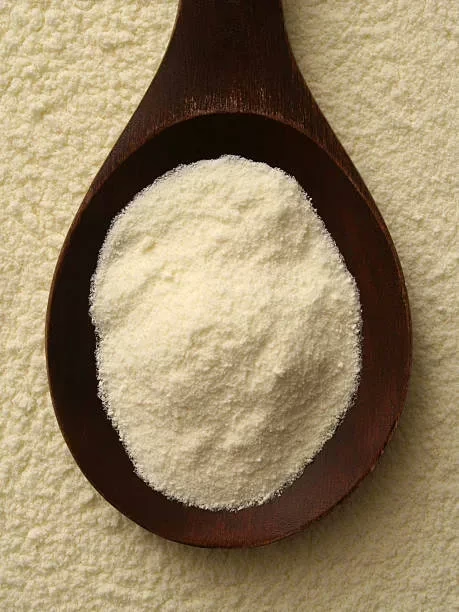
Skim milk powder, or SMP, is made by removing water from skim milk. It has lots of protein and calcium but very little fat. SMP is used in many foods like baked goods, soups, and drinks because it adds creaminess and nutrition without the extra fat found in whole milk powder.
The Growing Demand
More people want skim milk powder because they are looking for healthier, low-fat dairy options. This higher demand means producers are making more SMP, so it’s important to think about how to make it in a way that’s good for the environment.
The drying methods used during production play a big role in how much energy is used and how much pollution is created.
Sustainable Practices in Skim Milk Powder Production
Energy Efficiency
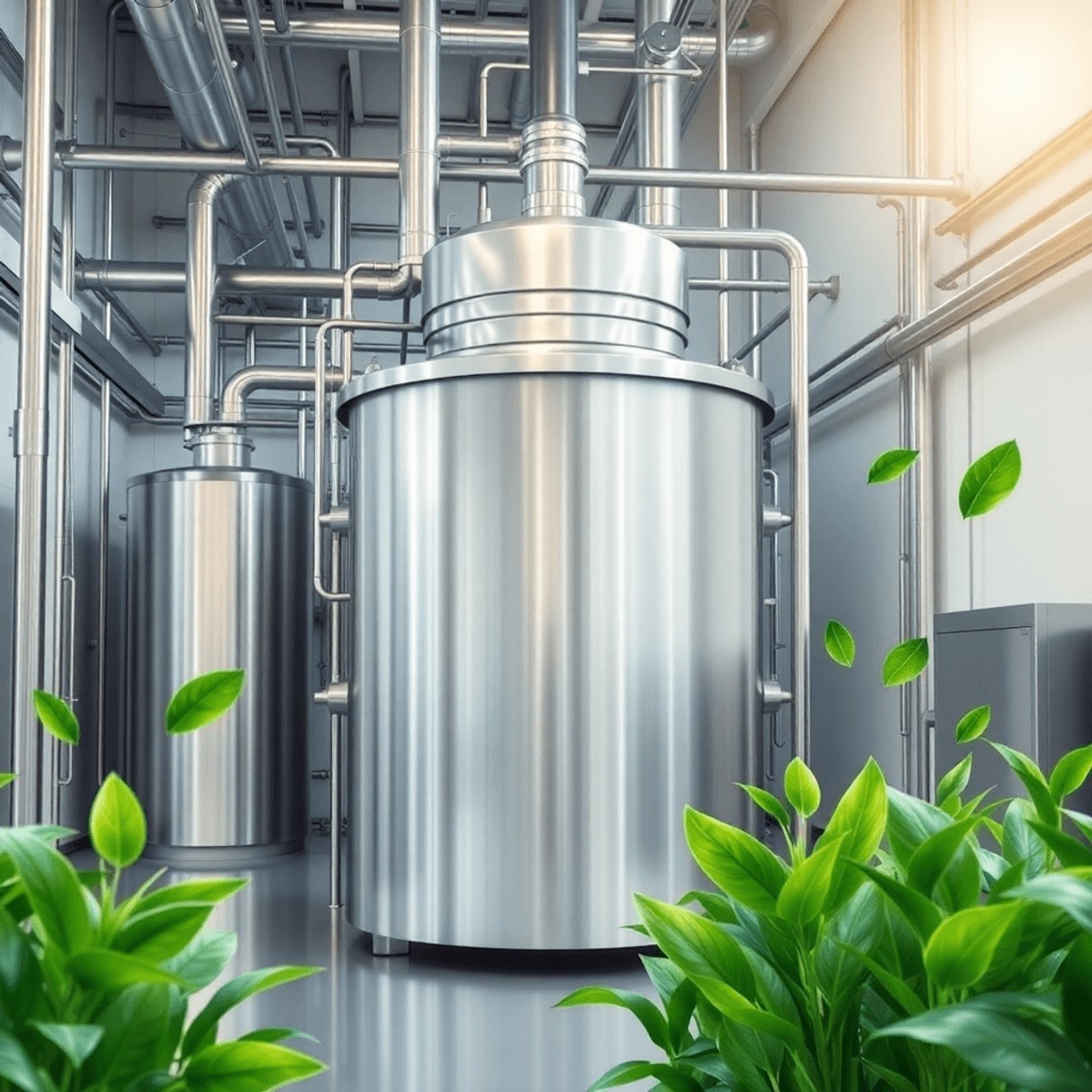
Saving energy is key to making skim milk powder more sustainable. Modern factories use energy-saving tools like heat recovery systems and efficient machines to cut down on their carbon emissions.
Choosing between drying methods like spray-drying or freeze-drying can greatly affect how much energy the process uses and how heat-resistant the product becomes.
Reduced Water Usage
Water is very valuable, so saving it is a key goal in eco-friendly dairy production. Making skim milk powder now uses less water, with many plants recycling and reusing water during processing.
Waste Reduction
Cutting down on waste is also important for sustainability. Dairy producers are finding new ways to reuse byproducts like whey, turning them into useful products and reducing overall waste.
Responsible Sourcing
Sustainable skim milk powder production goes beyond the factory. It includes sourcing milk from farms that care about animal welfare and use environmentally friendly methods. This aspect of responsible sourcing is crucial as soils play a significant role in the overall sustainability of food production.
Environmental Impact
Lower Carbon Emissions
As the dairy industry adopts greener practices, it lowers the carbon emissions linked to making skim milk powder. Using less energy and working more efficiently helps shrink its carbon footprint.
Biodiversity Conservation
Some dairy farms are protecting local wildlife by keeping natural habitats on their land. These efforts help support ecosystems and increase animal diversity.
Conclusion
With more people wanting healthier, low-fat dairy options, making skim milk powder sustainably is becoming more important. The industry is adopting eco-friendly methods, cutting environmental harm, and offering better choices for consumers. By supporting these efforts and choosing wisely, we can help build a cleaner, greener future.
The Role of Protective Agents in Skim Milk Powder Production
In making skim milk powder—especially using spray-drying or freeze-drying—protective agents are vital for keeping microorganisms alive. They help protect cells during drying, which can be tough on them.
During drying, microorganisms face heat stress, loss of moisture, oxygen exposure, and changes in solute levels. Protective agents help shield cells from these stresses by forming protective barriers.
Also, as consumers prefer clean-label products, there’s growing demand for natural protective agents that keep microbes healthy while fitting simple, transparent ingredient lists. This pushes producers to choose protective substances that are both effective and health-conscious.
FAQs (Frequently Asked Questions)
What is skim milk powder and what are its nutritional benefits?
Skim milk powder is a dairy product made by removing water from skim milk. It is high in protein and calcium while being low in fat, making it a nutritious option for health-conscious consumers.
Why is the demand for skim milk powder increasing?
The demand for skim milk powder is increasing due to growing consumer interest in healthier, low-fat dairy options. Health-conscious individuals seek products that provide essential nutrients without excess fat.
What sustainable practices are used in the production of skim milk powder?
Sustainable production of skim milk powder involves energy efficiency measures like heat recovery systems and efficient processing equipment, reduced water usage through recycling and reusing, waste reduction by repurposing byproducts, and responsible sourcing that emphasizes animal welfare and environmentally friendly farming practices.
How does sustainable skim milk powder production impact the environment?
Sustainable production methods lower carbon emissions and promote biodiversity conservation on some dairy farms, contributing to a reduced environmental footprint of skim milk powder manufacturing.
How does consumer demand influence sustainability efforts in skim milk powder production?
Consumer demand for healthier, low-fat dairy options drives producers to adopt sustainable practices in skim milk powder production to meet market expectations while minimizing environmental impact.
What role does responsible sourcing play in sustainable skim milk powder production?
Responsible sourcing ensures that dairy farms prioritize animal welfare and environmentally friendly practices, which supports sustainability goals and enhances the overall quality and ethical standards of skim milk powder products.