
Introduction
R&D and marketing teams across Malaysia are looking harder at traditional botanicals that carry both a strong story and solid science. Among these, tiger milk mushroom stands out as a medicinal fungus that links rainforest folklore with peer-reviewed research and practical product applications.
Known scientifically as Lignosus rhinocerus (also written Lignosus rhinocerotis), tiger milk mushroom is often called Malaysia’s national treasure. For more than four centuries, it has been used across Southeast Asia as a health tonic, especially for coughs, breathing issues and low vitality. What began as “Cendawan Susu Rimau” in local communities is now entering formulation meetings for modern immune support, lung health and adaptogenic mushroom supplement ranges.
What makes this mushroom especially interesting for manufacturers is the way traditional use now lines up with clinical and pre-clinical data. The sclerotium, the underground tuber of tiger milk mushroom, is rich in beta-glucans, polysaccharides and enzymes that support respiratory health, immune modulation, antioxidant defence and more. A human clinical trial has already shown improved respiratory outcomes and stronger mucosal immunity, with no reported tiger milk mushroom side effects over three months of use.
This article walks through what product developers need to know. It covers origins and folklore, the science of the sclerotium, tiger milk mushroom benefits, clinical evidence, quality and standardisation, safety and regulatory points, and concrete product development ideas. Along the way, it shows how FC Materials Sdn Bhd supports manufacturers and brands with Halal-certified, compliant and reliable tiger milk mushroom extract suitable for food, nutraceutical and personal care applications.
Key Takeaways
Tiger milk mushroom, or Lignosus rhinocerus, is a medicinal mushroom native to Southeast Asia with more than 400 years of documented use as a respiratory and immune health tonic. This deep heritage provides strong storytelling value for brands that want both scientific backing and cultural roots in their formulations. It also means consumers in Malaysia and the wider region often recognise and trust the ingredient.
The mushroom’s medicinal power comes mainly from its underground sclerotium, which is packed with 1,3-1,6 beta-glucans, total polysaccharides and fibrinolytic enzymes. These compounds work together to support immune balance, lung function, antioxidant protection and healthy circulation. High-quality products use standardised sclerotium extract rather than fruiting body material.
A landmark human clinical trial on tiger milk mushroom supplementation showed measurable improvements in respiratory symptoms, lung function and respiratory Immunoglobulin A (IgA), with no reported adverse effects. This gives manufacturers rare human data for a traditional medicinal mushroom, strengthening label claims for immune and lung support formulas.
Standardised, farm-grown strains such as TMM NKT744 provide consistent levels of polysaccharides and beta-glucans and avoid the variability and contamination risks of wild harvesting. This consistency is essential for reliable dosing, regulatory compliance and the positioning of premium tiger milk mushroom supplement ranges.
FC Materials Sdn Bhd supplies Halal-certified, traceable tiger milk mushroom extract to manufacturers across Malaysia and Southeast Asia, together with regulatory and R&D support. This helps brands move from concept to commercial products that meet NPRA expectations and the requirements of Muslim-majority markets.
What Is Tiger Milk Mushroom? Origins, Folklore, And Botanical Profile
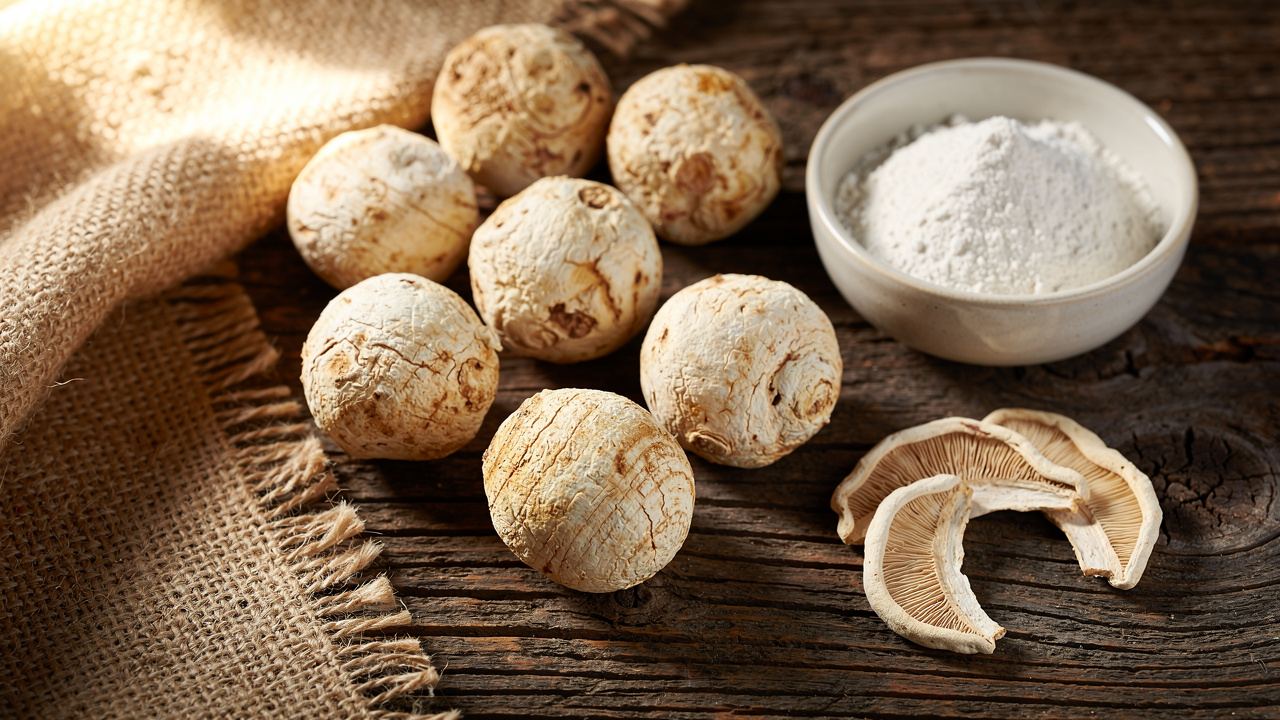
Tiger milk mushroom is a tropical fungus that grows in the rainforests of Southeast Asia. Its scientific name is Lignosus rhinocerus (or Lignosus rhinocerotis in some literature). In Malay it is known as “Cendawan Susu Rimau”, while Chinese communities may call it “老虎奶”, both of which translate to tiger milk. These names reflect a long-held legend rather than a zoological fact.
According to folklore, the mushroom appears where a tigress has spilled her milk while feeding her cubs. That image of strength, protection and nourishment helped to raise the mushroom’s status among traditional healers. Over time it gained a reputation as a rare forest treasure used only when something stronger than everyday herbs was needed, especially for breathing problems and long-standing coughs.
Botanically, tiger milk mushroom grows very differently from common mushrooms like button mushrooms or oyster mushrooms. Instead of forming large clusters, it usually produces a single stalk with a cap, and another mushroom may not appear for kilometres around. This solitary growth habit makes wild tiger milk mushroom extremely hard to find in forest settings, which was one reason it was once considered almost lost to modern users.
For manufacturers, the most important part of the fungus is not the stalk and cap, but the sclerotium hidden below the soil. This sclerotium is a hard, compact tuber formed by tangled fungal threads. It acts as a food reserve for the organism and is where the highest levels of bioactive compounds are found. Traditional users dug up this underground part and dried or powdered it for use in decoctions and tonics.
From a formulation point of view, this distinction matters a great deal. Tiger milk mushroom benefits are closely linked to the quality of the sclerotium extract, not the fruiting body. Products that use only fruiting body material are unlikely to match the results seen in research focused on sclerotium-derived extracts. When assessing a tiger milk mushroom supplier, ingredient buyers should always confirm that the material on offer comes from the sclerotium and that this is documented.
Over more than four centuries, healers across Malaysia, Indonesia, Thailand, the Philippines, Southern China and Papua New Guinea have used tiger milk mushroom for a wide range of complaints. That long, cross-cultural record laid the groundwork for modern scientists to look closer at Lignosus rhinocerus and isolate the compounds behind its effects.
The Science Behind The Sclerotium – Key Bioactive Compounds Of Lignosus rhinocerus
The sclerotium of tiger milk mushroom acts as the fungus’s energy bank. During growth, nutrients from the environment are stored in this underground tuber so the organism can survive dry spells or other stress. This same function turns the sclerotium into a concentrated source of bioactive molecules that make tiger milk mushroom such an effective functional ingredient.
The best studied compounds in the sclerotium are 1,3-1,6 beta-glucans, a type of complex polysaccharide. These long-chain carbohydrates are known immune modulators. They bind to receptors on macrophages, dendritic cells and natural killer cells and help “switch on” both innate and adaptive immune responses. This makes beta-glucans a key part of how tiger milk mushroom immune support works in daily use.
Alongside beta-glucans, the sclerotium carries a wide pool of other polysaccharides. These compounds add additional antioxidant and anti-inflammatory activity, helping to neutralise free radicals and calm down unnecessary inflammatory signalling. In the context of respiratory and joint health, this broad carbohydrate profile makes tiger milk mushroom a valuable medicinal mushroom immune booster and anti-inflammatory agent in a single ingredient.
Researchers have also identified protease-like fibrinolytic enzymes in tiger milk mushroom sclerotium extracts. These enzymes can break down fibrin, a protein involved in blood clot formation. Early laboratory work suggests that this fibrinolytic activity may support healthy circulation and help reduce the risk of unwanted clot formation, positioning tiger milk mushroom as a potential component in cardiovascular support formulas.
Taken together, these compounds appear to deliver a wide pharmacological spectrum. Studies point to:
Immunomodulatory activity through beta-glucans and related polysaccharides
Anti-inflammatory effects in lung, joint and other tissues
Antioxidant activity that helps limit oxidative stress
Anti-viral and anti-microbial actions in pre-clinical models
Fibrinolytic activity that may support healthy blood flow
It is unlikely that one isolated molecule is responsible. Rather, the different polysaccharides and enzymes in the sclerotium seem to work together, which is why whole sclerotium extract is the preferred form for a lignosus supplement.
For manufacturers, this chemistry has a direct impact on sourcing. A premium tiger milk mushroom supplement should come with specification sheets that state total polysaccharide content and 1,3-1,6 beta-glucan levels, often with minimum values. Standardised extracts give formulators confidence that each capsule, powder serving or liquid dose delivers the same profile that has been studied in scientific trials.
Clinically Validated Benefits – What The Research Says About Tiger Milk Mushroom
Modern research on tiger milk mushroom builds on centuries of traditional use, but adds controlled methods and measurable outcomes. A key milestone was the first human clinical trial on Lignosus rhinocerus, carried out by UCSI University in Malaysia. This study tested a standardised tiger milk mushroom supplement over three months and measured changes in respiratory health, immunity and antioxidant status.
Pre-clinical work in animal and cell models supports the same themes. Across these studies, scientists repeatedly see anti-inflammatory effects in lung tissue, stronger mucosal immunity, better antioxidant defence and promising activity in cardiovascular and liver models. For brands that want to position tiger milk mushroom for lungs, immune function and healthy ageing, this research base provides a strong foundation.
Tiger Milk Mushroom For Lungs And Respiratory Health

Respiratory wellness is the headline area for tiger milk mushroom benefits. The UCSI trial enrolled 50 healthy adults who took a tiger milk mushroom supplement daily for three months. Researchers monitored respiratory symptoms, lung function and biochemical markers before and after the supplementation period.
Participants reported clear reductions in common respiratory complaints such as sinus congestion, runny nose, persistent cough and shortness of breath. Objective tests showed measurable improvement in lung function parameters. At the same time, antioxidant capacity in the respiratory system improved, which is important because oxidative stress is closely linked with asthma and Chronic Obstructive Pulmonary Disease (COPD).
The mechanism behind these outcomes appears to centre on inflammation in the airways. Tiger milk mushroom extract reduces the number of inflammatory cells and dampens pro-inflammatory signalling in lung tissue. By calming this persistent irritation, the mushroom helps air move more freely through the bronchial passages. This explains why tiger milk mushroom for lungs and tiger milk mushroom for cough are now common product concepts for natural lung health supplement brands.
Pre-clinical models of asthma provide further detail. In these studies, tiger milk mushroom extract influenced T-helper 2 cytokines and Immunoglobulin E (IgE) levels, which are involved in allergic responses. It appears to help balance exaggerated immune reactions in the airways, which is highly relevant for tiger milk mushroom asthma formulations aimed at people with allergy-linked breathing issues.
For manufacturers, this combination of traditional use and measured human data makes tiger milk mushroom an attractive functional mushroom for respiratory health. It fits well in capsules, syrups and powders that target everyday airway comfort, seasonal sensitivity and post-infection recovery support.
Tiger Milk Mushroom For Immune Support – IgA And Immunomodulation
While lung health is the most visible benefit, tiger milk mushroom immune support is just as important. The UCSI clinical trial found that three months of supplementation significantly raised levels of Immunoglobulin A (IgA) in the respiratory tract. IgA lines mucosal surfaces in the nose, throat and lungs and acts as a first barrier against viruses and bacteria.
Higher IgA levels mean pathogens are more likely to be neutralised before they can bind to cells and cause infection. Independent research from other countries has linked strong respiratory IgA responses with reduced risk of coronavirus infections. On this background, a tiger milk mushroom supplement that boosts IgA offers a compelling story for brands in a post-pandemic market focused on respiratory immunity.
At a cellular level, the 1,3-1,6 beta-glucans in tiger milk mushroom activate macrophages and natural killer cells and support balanced activity of T and B lymphocytes. This kind of modulation helps the body react quickly to microbes without pushing the immune system into a constant overactive state. As a traditional medicinal mushroom with adaptogenic behaviour, tiger milk mushroom sits well alongside other immune-focused fungi, but with the added point that it is native to Southeast Asia.
From a product development angle, this positions tiger milk mushroom as a strong candidate for daily immune defence formulas, family immune tonics and medicinal mushroom immune booster blends. It is particularly suitable for products that highlight respiratory immunity on the front of pack, thanks to the combination of IgA data and historical use against coughs and chest problems. The absence of serious tiger milk mushroom side effects in the clinical trial adds further comfort for both regulators and brand owners.
Antioxidant, Anti-Inflammatory And Emerging Health Benefits
Beyond the lungs and immune system, tiger milk mushroom shows broad antioxidant and anti-inflammatory effects that matter for healthy ageing. Its polysaccharides help neutralise free radicals, reducing oxidative stress that can damage cell membranes, proteins and DNA. When manufacturers talk about tiger milk mushroom benefits for cellular protection and vitality, this is usually the mechanism behind the claim.
The same compounds that calm inflammation in the airways also act in joint tissue. Traditional users have long taken tiger milk mushroom for arthritis and general joint pain, and research confirms that it can reduce inflammatory mediators in joint models. This makes the mushroom a good fit in active ageing formulas that combine joint comfort, immune balance and respiratory support.
The fibrinolytic enzymes in tiger milk mushroom point towards cardiovascular applications. By helping to break down fibrin, they may support healthy blood flow and lower the chance of unwanted clot formation. While more human data is needed in this area, early findings support the idea of combining tiger milk mushroom with other heart-supporting ingredients in future natural circulation products.
There are also encouraging signals in liver and metabolic research. Some studies suggest tiger milk mushroom extract may reduce fibrosis in fatty liver models and could have an impact on pathways linked to weight gain. Allergy management is another emerging field, with the mushroom’s immune-balancing action appearing to lower overreaction to common allergens. For brands, these new directions expand the long-term pipeline for tiger milk mushroom benefits beyond its current focus on the lungs and immunity.
Traditional Uses Of Tiger Milk Mushroom Across Southeast Asian Ethnomedicine
Long before clinical trials and standard operating procedures, tiger milk mushroom was part of daily life for indigenous groups in Malaysia and surrounding countries. Records and oral histories describe more than 400 years of continuous use, especially among Orang Asli communities and other forest-linked populations. For them, the mushroom was a trusted household remedy when sickness affected breathing, energy or digestion.
Respiratory complaints formed the core group of traditional indications. Decoctions made from tiger milk mushroom sclerotium were given for chronic cough, asthma, bronchitis and sinus-related problems. In many accounts, families turned to this mushroom when ordinary herbs had not done enough to clear phlegm or ease tightness in the chest. That close link between tiger milk mushroom and breathing support explains much of its present-day appeal for mushroom for lung health formulas.
Healers also used the mushroom for inflammatory problems such as joint pain and arthritis. It was valued as a body-strengthening tonic for people who felt weak, tired or feverish. In digestive health, small doses were used to manage food poisoning, indigestion and gastritis. Powdered tiger milk mushroom was sometimes applied directly to cuts or wounds to support healing.
Ethnomedical notes also mention its use in more serious conditions, including eczema, chronic hepatitis and certain cancers. While these traditional claims require careful modern study, they show the breadth of applications that healers saw in this fungus. To them, tiger milk mushroom was not a narrow, single-purpose remedy but a general health tonic with several specific strengths.
For Malaysian brands, this history carries strong marketing value. Tiger milk mushroom is seen locally as a national treasure that belongs to the region rather than an imported health fad. When brands share the story of “Cendawan Susu Rimau” alongside up-to-date science, they appeal both to cultural pride at home and to interest in authentic Southeast Asian botanicals abroad. This mix of heritage and evidence can help products stand out on crowded health supplement shelves.
“Let food be thy medicine and medicine be thy food.” — Hippocrates
That centuries-old insight aligns well with how tiger milk mushroom is moving from household remedy to scientifically framed functional ingredient.
Quality, Standardisation And Sourcing – What Manufacturers Must Know
For procurement managers and quality teams, the most important questions around tiger milk mushroom are about consistency, safety and regulatory readiness. Traditional use can create demand, but only standardised, well-documented ingredients can support serious product lines across food, nutraceutical and personal care categories.
Three main challenges appear again and again. First, wild tiger milk mushroom is extremely rare, so relying on forest collection is not realistic at scale. Second, even farm-grown material can vary widely in its polysaccharide content if strains and growing conditions are not controlled. Third, regulators and export markets now expect clear documentation of origin, composition and safety, especially for a traditional medicinal mushroom.
Modern controlled growing methods and standardisation answer these points. By focusing on specific strains and optimised conditions for sclerotium growth, growers can produce material that meets defined specifications batch after batch. This is where strain names such as TMM NKT744 start to matter for manufacturers.
Why Standardisation Matters – The Case Of TMM NKT744
Without standardisation, two tiger milk mushroom powders that look similar on the surface can behave very differently in finished products. Factors such as genetic strain, substrate, temperature, humidity and harvest timing all affect the level of polysaccharides and beta-glucans in the sclerotium. For brands that want reliable tiger milk mushroom benefits, this kind of variability is a serious issue.
Selected strains grown under controlled conditions, such as TMM NKT744, were developed to address exactly this problem. They are produced under tightly managed conditions so that the sclerotium reaches a consistent size and composition. Each batch can then be tested to confirm that total polysaccharides and 1,3-1,6 beta-glucans meet pre-set targets. This kind of data gives R&D teams much more confidence when they design a tiger milk mushroom capsule, syrup or powder.
TMM NKT744 also carries USDA organic certification, which adds value for brands that wish to promote organic tiger milk mushroom on pack. Organic growing rules limit the use of synthetic chemicals, which helps reassure both regulators and consumers who are sensitive about pesticide residues. Combined with microbial, heavy metal and contaminant testing, the result is an ingredient that meets high safety expectations.
For manufacturers creating the best tiger milk mushroom supplement ranges, standardised strains support clear label claims. When a supplier can state and verify beta-glucan content, you can match clinical study doses more closely and keep batch-to-batch performance stable. This is important not only for consumer trust but also for any future clinical work a brand may wish to conduct with its own finished products.
Sustainable Farming Vs Wild Harvesting
Historically, tiger milk mushroom was collected from the wild by experienced forest foragers. While this practice helped sustain traditional knowledge, it cannot feed the fast-growing demand for tiger milk mushroom supplement and functional food ingredients. As noted earlier, the mushroom’s solitary habit means that individual specimens may be kilometres apart, making wild collection slow and uncertain.
Modern farming and controlled growing change the picture. By growing tiger milk mushroom in dedicated facilities, producers can secure a steady, scalable supply of sclerotium that meets industrial demand. Conditions such as temperature, humidity and substrate composition can be tuned to maximise both sclerotium yield and levels of key bioactives. This makes it realistic to support long product runs and regional distribution.
Another important benefit of controlled growing is reduced contamination risk. In forest environments, fungi can pick up heavy metals, pesticides or microbes from surrounding soil and water. In a controlled set-up, these inputs are monitored, and substrates are chosen for safety and cleanliness. That is especially important when the end goal is Halal-certified, export-ready tiger milk mushroom powder or extract.
From an environmental point of view, commercial growing also protects wild tiger milk mushroom populations and the rainforest habitats they inhabit. Brands can legitimately talk about sustainable sourcing when they buy from farm-based, traceable strains instead of wild-harvested stock. For many modern consumers, this matters almost as much as the health claim itself.
For manufacturers in Malaysia and Southeast Asia, working with a supplier that focuses on farm-grown, standardised tiger milk mushroom is not simply a nice extra detail. It is a practical requirement for safe, consistent and regulator-friendly product development.
Safety Profile, Dosage And Regulatory Considerations
Safety and compliance questions often decide whether a promising ingredient makes it into your next formulation. Tiger milk mushroom performs well on both fronts. Its long history of traditional use, together with modern clinical and toxicology data, points to a strong safety record when used at standard doses.
“The dose makes the poison.” — Paracelsus
That classic pharmacology principle applies to botanicals as much as to synthetic compounds, and the available data suggest that tiger milk mushroom sits well within a comfortable range when used responsibly.
The UCSI human clinical trial is especially reassuring. Over three months of daily tiger milk mushroom supplementation, the 50 adult participants did not report any serious side effects. Laboratory markers of health remained within normal ranges. These findings line up with centuries of folk use in which no serious tiger milk mushroom side effects have been recorded in everyday tonic use.
In consumer-facing products, basic label guidance is still important. Most brands advise users to follow the recommended daily serving and to take tiger milk mushroom supplements one to two hours apart from prescription medicines. This spacing helps avoid any possible impact on drug absorption. As with other nutraceuticals, pregnant or breastfeeding women and individuals with serious medical conditions should check with a healthcare professional before starting regular use.
Regulatory classification matters as well. In Malaysia, tiger milk mushroom is generally treated as a functional food or health supplement ingredient rather than a pharmaceutical drug. That means products fall under the scope of the National Pharmaceutical Regulatory Agency (NPRA) for supplements, with requirements for safety data, quality documentation and, where relevant, claims support. Manufacturers targeting export markets need to consider additional rules in ASEAN, the Middle East and beyond.
Halal status is a key point in Malaysia, Indonesia, Brunei and Gulf countries. Using Halal-certified tiger milk mushroom extract from a trusted supplier allows brands to serve Muslim consumers without concern. Documentation related to Halal certification, quality control and origin often feeds directly into NPRA submissions and other regulatory dossiers.
FC Materials Sdn Bhd supports clients in these areas by providing full technical data packs, Halal certificates and guidance on how tiger milk mushroom can fit within NPRA expectations. This support allows your regulatory and QA teams to move ahead with more confidence when planning new respiratory, immune or adaptogenic mushroom supplement launches.
Product Development Applications – How Manufacturers Can Use Tiger Milk Mushroom
As consumer interest in mushrooms for lung health and immune resilience grows, tiger milk mushroom offers manufacturers a flexible, story-rich ingredient. Its benefits span respiratory comfort, immune balance, antioxidant support and emerging cardiovascular and liver applications. At the same time, its local roots give Malaysian and regional brands a strong point of difference compared with imported fungi.
From a formulation view, standardised tiger milk mushroom powder or extract can fit into a wide range of dosage forms. It combines well with other botanicals and nutrients that share similar positioning, such as vitamin C, zinc, elderberry, N-acetylcysteine and more. This allows your R&D teams to design multi-benefit formulas for families, seniors, athletes and other target groups.
Nutraceutical And Health Supplement Formulations

Capsules and tablets are the most common way to deliver tiger milk mushroom as a sclerotium-based ingredient. They allow precise dosing of standardised extract and make it easy to build ranges such as tiger milk mushroom for lungs, tiger milk mushroom asthma support and general tiger milk mushroom immune support. Blending with other actives can help you create a best-in-class tiger milk mushroom supplement designed for specific health concerns.
Tiger milk mushroom powder works well in sachets, stick packs and canister blends. These formats give consumers the option to mix the powder into water, juice or smoothies, making it suitable for people who dislike swallowing pills. Powder formats are also useful for combination respiratory blends that include other mushroom for lung health ingredients or vitamin and mineral complexes.
Liquid formats such as syrups and tinctures are especially suitable for tiger milk mushroom for cough and throat comfort. Sweetened syrups can be formulated for both adults and children, while alcohol-free tinctures appeal to consumers seeking concentrated, fast-absorbing formats. These products fit naturally into natural lung health supplement ranges sold through pharmacies and health shops.
FC Materials Sdn Bhd supplies tiger milk mushroom extract suitable for capsules, tablets, powders and liquid applications. The company works with nutraceutical brands on practical details such as target polysaccharide levels, flow properties and compatibility with other actives, so that finished products remain stable and palatable from pilot batches to full-scale runs.
Functional Foods, Beverages And Personal Care Applications
Tiger milk mushroom can also move beyond classic supplements into functional food and beverage concepts. Standardised powder disperses well in health drinks, herbal teas, juices and smoothie bases. A ready-to-drink format that combines organic tiger milk mushroom, vitamin C and local botanicals such as ginger or lemongrass could appeal strongly to consumers seeking daily respiratory and immune support in a convenient drink.
Food applications are equally promising. Energy bars, fortified cereals, soups and meal replacements can all incorporate tiger milk mushroom powder at levels that support meaningful health claims. For example, a breakfast cereal with added tiger milk mushroom and beta-glucan oats connects heart and immune support, while a savoury soup with local herbs and tiger milk mushroom provides a warming respiratory comfort option.
In personal care, the antioxidant and anti-inflammatory properties of tiger milk mushroom are drawing interest from formulators. Creams, serums and balms that include tiger milk mushroom extract may help calm irritated skin and protect against pollution-related oxidative stress. Positioning it as a traditional medicinal mushroom with modern dermal science can help products stand out in crowded skincare segments.
Pharmaceutical companies may look further ahead at purified tiger milk mushroom fractions for cardiovascular or liver health indications, particularly around fibrinolytic and anti-fibrotic activity. While these uses remain mostly in the research phase, early data suggests that Lignosus rhinocerus could play a role in future drug development pipelines.
For startups and SMEs, tiger milk mushroom’s Malaysian heritage story, combined with clear tiger milk mushroom benefits for respiratory and immune health, offers strong branding potential. FC Materials Sdn Bhd supports such companies by supplying versatile ingredient forms and sharing technical insights that shorten the path from idea to finished product.
Why FC Materials Sdn Bhd Is Your Trusted Tiger Milk Mushroom Ingredient Partner
Selecting the right tiger milk mushroom supplier is just as important as choosing the ingredient itself. FC Materials Sdn Bhd focuses on functional, nutritional and specialty ingredients for the health industry in Malaysia and Singapore, with tiger milk mushroom extract as a key part of its portfolio. The company does not act as a casual trader; it builds long-term ingredient partnerships with manufacturers.
Quality stands at the centre of FC Materials’ approach. The tiger milk mushroom extract it supplies is produced under strict quality control systems, with testing for identity, purity, microbial load and potential contaminants. This gives your QA team clear data to work with and supports smooth progress through internal approval steps. The extract comes from farm-grown sclerotium, not wild fruiting bodies, so it aligns with modern expectations for safety and consistency.
Halal certification is another major strength. All tiger milk mushroom ingredients from FC Materials carry recognised Halal certification, which is vital for brands targeting Muslim consumers in Malaysia, Indonesia, Brunei and key export markets. Combined with traceable sourcing and clear documentation, this helps your marketing and regulatory teams position products with confidence.
Beyond supplying raw material, FC Materials brings strong regulatory and technical knowledge. The team supports clients with documentation for NPRA submissions and export dossiers, and can discuss how tiger milk mushroom fits within different claim frameworks. For R&D departments, this advice helps avoid dead ends at a late stage of development.
The company also understands the needs of different business sizes. Startups bringing their first tiger milk mushroom capsule or syrup to market can get guidance on formulation direction and suitable extract grades. Established food and nutraceutical manufacturers can count on reliable supply, consistent quality and responsive support when planning large-scale launches or line extensions.
By working with FC Materials Sdn Bhd, you gain a partner that understands both the science behind tiger milk mushroom and the day-to-day realities of product development, compliance and supply chain management in Malaysia and Southeast Asia. Manufacturers interested in samples, technical specifications or formulation discussions can reach out to explore how tiger milk mushroom can strengthen their next generation of immune and lung wellness products.
Conclusion
Tiger milk mushroom brings together two strengths that are rarely seen in a single ingredient. On one side, it has more than 400 years of use in Southeast Asian ethnomedicine for coughs, asthma, fatigue and general health. On the other, it now has modern support in the form of a human clinical trial showing better respiratory outcomes, higher mucosal IgA and no serious tiger milk mushroom side effects over three months of use.
For manufacturers, this fungus offers multi-dimensional value. It supports respiratory comfort, immune modulation, antioxidant defence and joint health, with promising signals in cardiovascular and liver research as well. This makes tiger milk mushroom one of the most versatile functional mushroom options available for lung and immune categories, active ageing lines and future specialist formulas.
Market demand is moving in the same direction. Consumers across Malaysia and Southeast Asia are looking for natural lung health supplement choices, immune support products and adaptogenic mushroom supplement blends that they feel are grounded in both tradition and science. Tiger milk mushroom answers that expectation in a way few ingredients can.
To turn this opportunity into reliable products, sourcing choices are critical. Standardised, farm-grown, Halal-certified tiger milk mushroom sclerotium extract provides a far stronger base than unverified, wild-harvested material. Working with a partner such as FC Materials Sdn Bhd, which combines technical insight, regulatory support and secure supply, helps manufacturers bring tiger milk mushroom capsules, powders, drinks and personal care items to market with confidence.
FAQs
Question 1 – What Is Tiger Milk Mushroom (Lignosus rhinocerus) And Why Is It Used In Health Supplements?
Tiger milk mushroom is a medicinal fungus native to Southeast Asian rainforests, especially Malaysia. For more than 400 years, local communities have used its underground sclerotium as a tonic for respiratory complaints, low energy and general health. Modern analysis shows that this sclerotium is rich in beta-glucans and other polysaccharides that support immune balance, lung function and antioxidant protection. These properties make tiger milk mushroom a valuable ingredient in health supplements, particularly those aimed at respiratory and immune wellness.
Question 2 – What Are The Key Health Benefits Of Tiger Milk Mushroom?
The best supported tiger milk mushroom benefits relate to lung and respiratory health, including reduced cough, sinus congestion and shortness of breath, together with improved lung function. It also strengthens the immune system, raising levels of protective IgA antibodies in the respiratory tract and modulating key immune cells. Its antioxidant and anti-inflammatory properties help protect cells from oxidative stress and calm inflammation in the lungs and joints. Emerging research points towards additional roles in joint comfort, cardiovascular support through fibrinolytic activity, liver protection and allergy management, with the UCSI clinical trial providing the main human evidence base so far.
Question 3 – Are There Any Side Effects Of Tiger Milk Mushroom Supplementation?
Current data suggests that tiger milk mushroom has a very good safety profile when used at standard supplemental doses. In the UCSI human clinical trial, 50 adults took a tiger milk mushroom supplement daily for three months without reporting any serious adverse side effects. This record aligns with its long-standing use as a food-based health tonic in traditional practice. As with other supplements, users should follow recommended dosages, separate intake from prescription medicines by one to two hours and seek medical advice if they are pregnant, breastfeeding or managing serious health conditions.
Question 4 – What Is The Difference Between Tiger Milk Mushroom Sclerotium And Fruiting Body Extract?
The sclerotium is the underground tuber of tiger milk mushroom and is where most of the bioactive compounds, such as 1,3-1,6 beta-glucans and key polysaccharides, are concentrated. The fruiting body, which is the above-ground stalk and cap, contains far lower levels of these compounds. For this reason, high-quality tiger milk mushroom supplements use sclerotium extract rather than fruiting body material. When evaluating ingredients, manufacturers should check that the supplier clearly states sclerotium origin, as this directly affects the effectiveness of the finished product.
Question 5 – What Should Manufacturers Look For When Sourcing Tiger Milk Mushroom Extract?
Manufacturers should look first for standardised sclerotium extract with declared levels of total polysaccharides and 1,3-1,6 beta-glucans, as this supports consistent dosing and reliable health outcomes. Key points to check include:
Declared actives: Clear specifications for total polysaccharides and 1,3-1,6 beta-glucans
Certification: Halal certification for Malaysian and wider Southeast Asian markets
Traceable growing: A traceable, farm-based supply chain rather than wild-only harvesting
Safety testing: Data showing the extract is free from heavy metals, pesticides and microbial contamination
Regulatory support: Documentation that can support NPRA registration and export requirements
FC Materials Sdn Bhd offers tiger milk mushroom ingredients that meet these expectations for manufacturers in the region.
Question 6 – Can Tiger Milk Mushroom Extract Be Used In Functional Foods And Beverages, Not Just Capsules?
Yes, tiger milk mushroom extract, particularly in powder form, is suitable for many functional food and beverage formats. It can be blended into health drinks, teas, juices, soups, energy bars, fortified cereals and meal replacements to support respiratory and immune claims. Its antioxidant and anti-inflammatory properties also make it interesting for topical personal care products such as creams and serums. FC Materials Sdn Bhd supplies tiger milk mushroom in forms compatible with capsules, powders, extracts and tea blends, giving manufacturers flexibility to develop both supplement and food-based products.