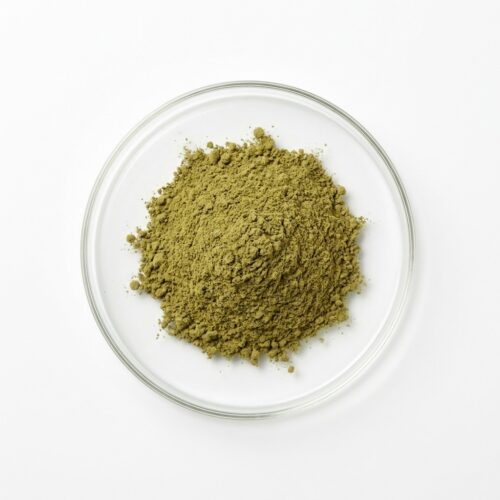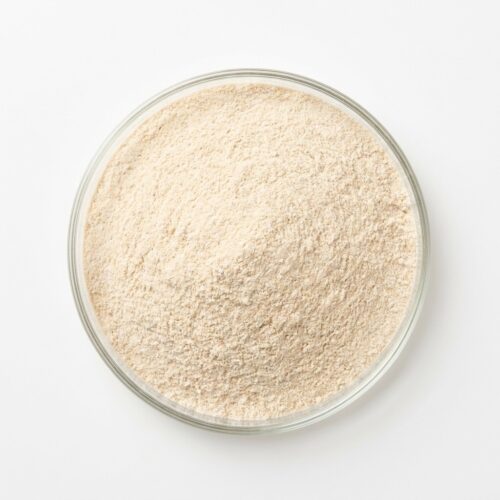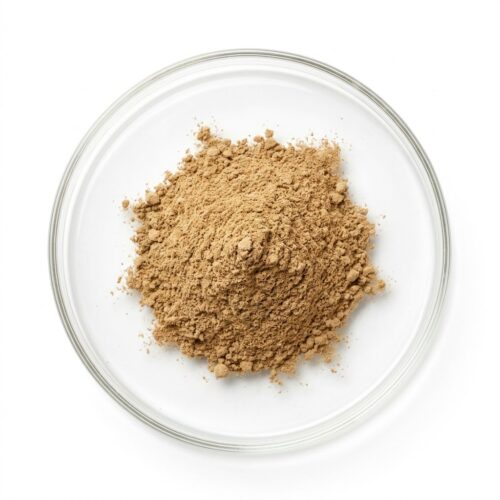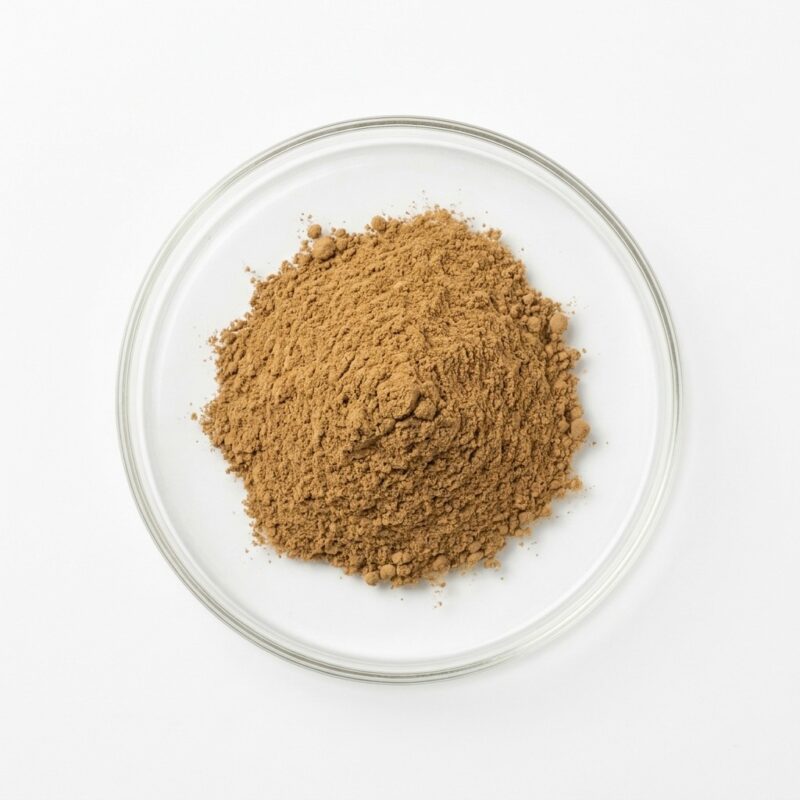
Ginseng Extract (10:1) is a concentrated botanical extract derived from the root of Panax ginseng, the most prized tonic herb in Traditional Chinese Medicine (TCM). At a 10:1 concentration ratio, this Halal-certified extract provides a potent dose of ginsenosides — the steroidal saponin compounds responsible for ginseng’s adaptogenic, energy-enhancing, immunomodulatory, and cognitive-supportive properties.
Panax ginseng is the gold standard of adaptogenic herbs and one of the best-selling and most recognisable botanical ingredients in the global supplement and functional beverage market.
Applications:
- Nutraceuticals (energy and vitality capsules, adaptogen blends, immune support)
- TCM-Inspired Supplements (traditional tonic formulations, male health products)
- Sports Nutrition (endurance and performance supplements)
- Functional Beverages (ginseng health drinks, energy tonics, herbal teas)
Key Features & Benefits:
- 10:1 concentrated ginsenoside-rich premier adaptogenic extract
- Gold standard TCM tonic herb with unparalleled global consumer recognition
- Adaptogenic energy, immune, and cognitive support
- Halal-certified & food-grade quality
- Suitable for capsule, beverage, tonic, and powder formulations
Which “ginseng”
The name covers different plants. Panax ginseng (Asian or Korean ginseng) and Panax quinquefolius (American ginseng) both contain ginsenosides, but in different profiles. Siberian ginseng (Eleutherococcus senticosus) is not a Panax species and contains no ginsenosides at all. Red ginseng is Panax ginseng root that has been steamed and dried, which changes its ginsenoside profile compared with white (air-dried) root. Species and processing must be stated on the specification. For a ginsenoside-standardised grade, see Panax Ginseng Extract 10%.
Ginsenosides and the test method
Ginseng extracts are compared on ginsenoside content. HPLC reports named ginsenosides (such as Rb1 and Rg1) and their sum. UV or colorimetric “total saponin” methods give much higher figures for the same material. A “10:1” ratio gives no ginsenoside figure at all.
Contaminants
Ginseng is a long-cultivated root crop, so pesticide residues are a standard line on the specification, together with heavy metals and microbiology.
What the research says
- A 2024 meta-analysis of 15 randomised trials (671 participants) found that ginseng improved memory (a small effect, SMD 0.19), but had no effect on overall cognition, attention or executive function. The authors call for more high-quality studies. [1]
- The cardiovascular evidence is mixed. A 2025 meta-analysis of 70 studies (4,506 participants) found improvements in some inflammatory, liver and oxidative-stress markers, but no significant effect on blood pressure, blood glucose or blood lipids. [2] An earlier 2024 meta-analysis of 45 trials reported small reductions in systolic blood pressure (2.57 mmHg) and LDL cholesterol (2.81 mg/dL), with high heterogeneity between studies. [3]
These summaries describe published research on the ingredient. They are not claims for any finished product; claims on finished products must meet the rules of the market where they are sold.
References
- Zeng M, et al. Effects of ginseng on cognitive function: a systematic review and meta-analysis. Phytother Res. 2024;38(12):6023–6034. doi:10.1002/ptr.8359
- Jafari A, et al. The effect of ginseng supplementation on CVD risk factors: a comprehensive systematic review and dose-response meta-analysis. Br J Nutr. 2025;134(7):529–577. doi:10.1017/S0007114525103607
- Zhang XF, et al. Effects of ginseng consumption on cardiovascular health biomarkers in adults: a systematic review and meta-analysis of randomized controlled trials. Phytother Res. 2024;38(12):5873–5900. doi:10.1002/ptr.8339
What to ask for on the certificate of analysis
- Species (Panax ginseng or other), plant part (root) and processing (red or white)
- Ginsenoside content by HPLC, with major individual ginsenosides
- Extraction solvent and residual solvents
- Pesticide residues
- Heavy metals: lead, arsenic, cadmium and mercury
- Microbiology: total plate count, yeast and mould, E. coli, Salmonella
- Carrier (if any), Halal certificate, batch number, manufacture and retest dates