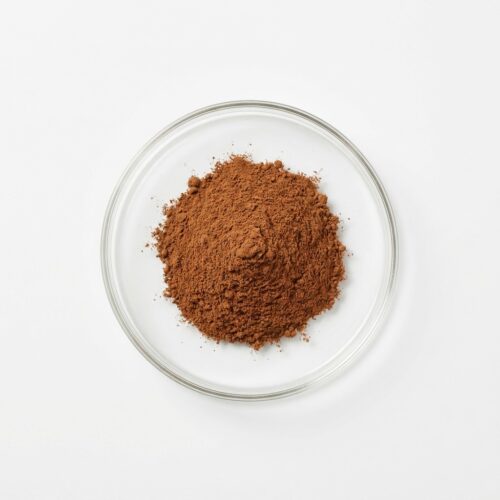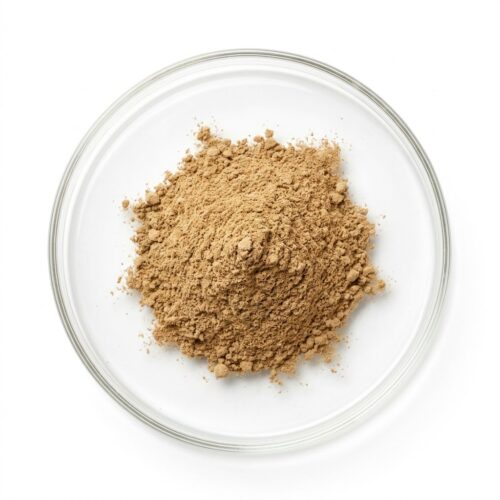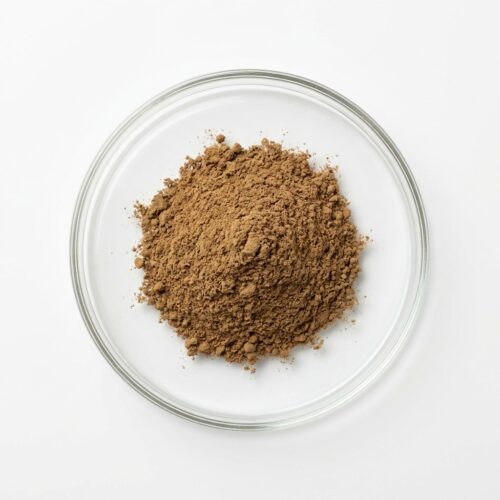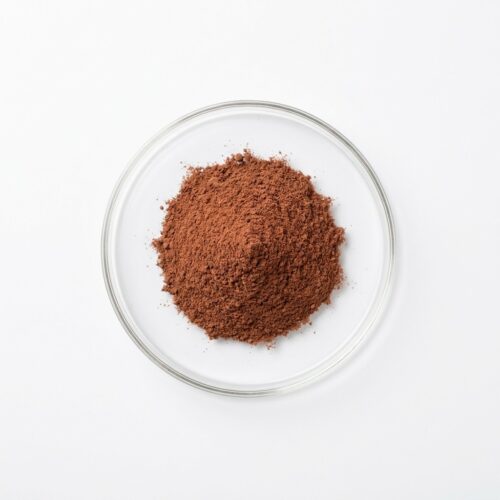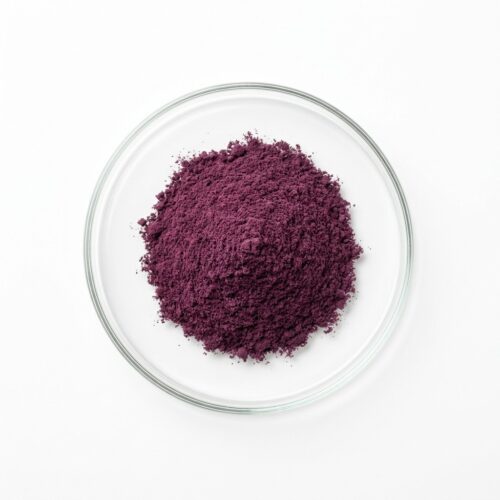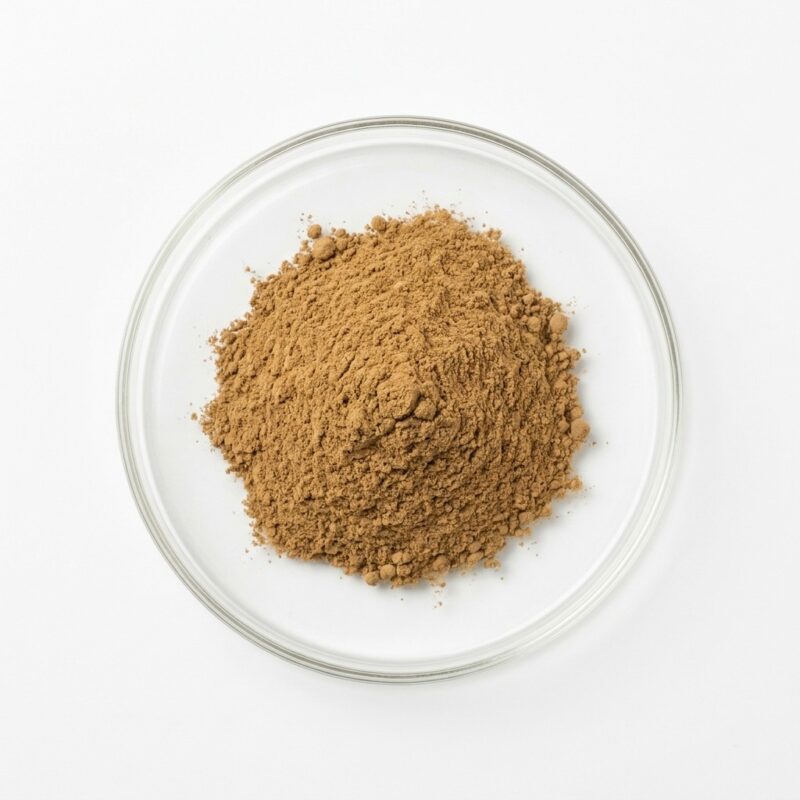
Panax Ginseng Extract 10% is standardised to 10% ginsenosides — the primary triterpenoid saponins responsible for ginseng’s adaptogenic, cognitive, and energy-enhancing properties. The 10% standardisation represents a concentrated, high-potency grade suitable for evidence-based formulations where consistent ginsenoside delivery is required. Ginsenosides Rg1 and Rb1 are the most studied for cognitive performance and HPA axis modulation.
Applications:
- Cognitive performance and mental energy formulations
- Adaptogenic stress relief and HPA axis support
- Male vitality and testosterone support supplements
- Immune modulation and anti-fatigue formulations
Key Features & Benefits:
- 10% ginsenosides — high-potency standardised grade
- Rg1/Rb1 ratio validated for cognitive and adaptogenic effects
- Clinically studied for mental performance and fatigue reduction
- No animal substance – halal-certified
- Compatible with caffeine and B-vitamins in energy formulations
What “10% ginsenosides” means
The figure depends on the test method. HPLC measures named ginsenosides (such as Rg1, Re, Rb1, Rc, Rb2 and Rd) and adds them up. Colorimetric or UV “total saponin” methods react with a wider range of compounds and usually read much higher. A 10% extract by UV and a 10% extract by HPLC are different materials, so a price comparison is only fair when the method is the same.
Species and plant part
Asian ginseng (Panax ginseng) and American ginseng (P. quinquefolius) have different ginsenoside profiles. Ginsenoside Rf is characteristic of Asian ginseng, and pseudoginsenoside F11 of American ginseng, so an HPLC profile can confirm the species. Leaf and stem extracts are cheaper than root extracts and have a different profile, rich in Re and Rd. Ask for root-only material if that is what the label will say. For the general extract, see Ginseng Extract.
Red or white
Red ginseng is steamed before drying, which converts some ginsenosides into others (such as Rg3 and Rh2). The processing should be stated, because it changes the profile and the label name.
Residues
Cultivated ginseng is grown for several years in the same soil, and fungicide residues (quintozene and its breakdown products are the best known) have been a recurring finding. A full pesticide screen is worth the cost.
What to ask for on the certificate of analysis
- Species (Panax ginseng), plant part (root), red or white, and extraction solvent
- Total ginsenosides by HPLC, with the individual ginsenosides listed
- Species markers: Rf present, pseudoginsenoside F11 absent
- Pesticide residues, including quintozene
- Heavy metals and residual solvents
- Microbiology: total plate count, yeast and mould, E. coli, Salmonella
- Carrier (if any), Halal certificate, batch number, manufacture and retest dates