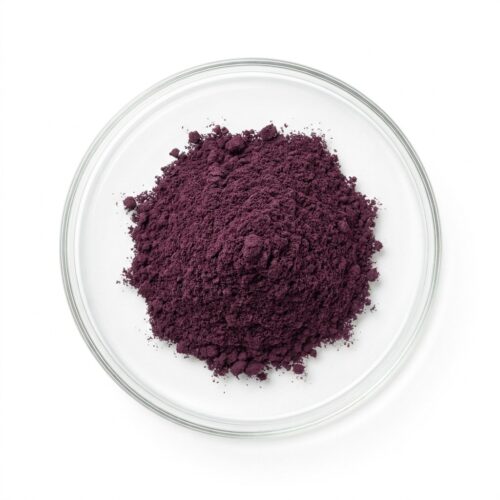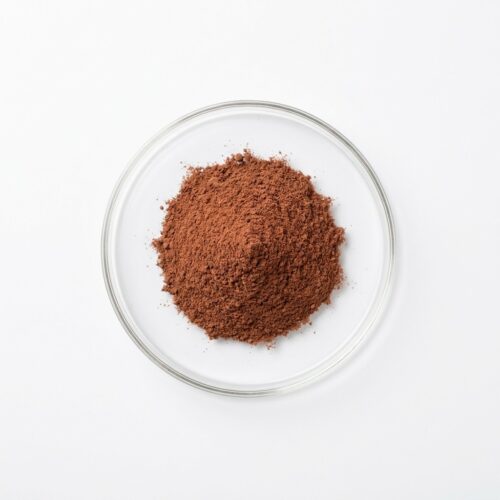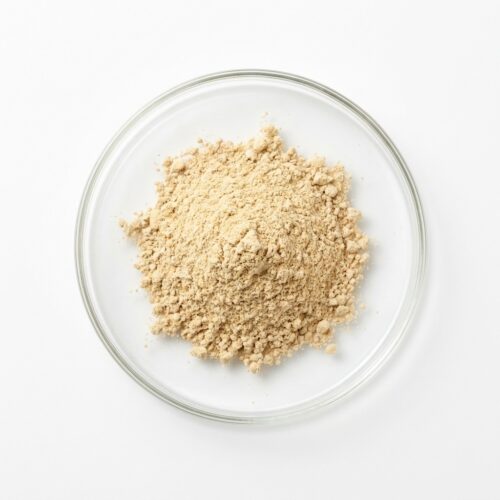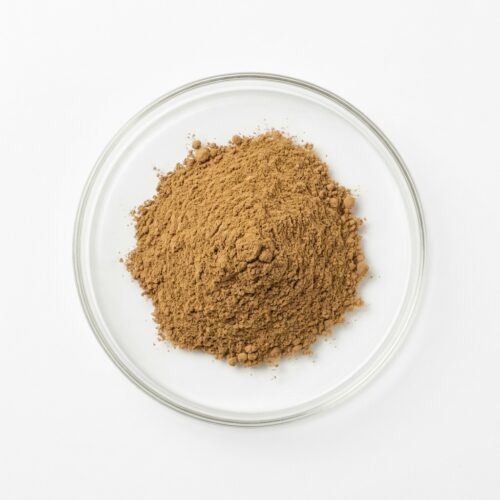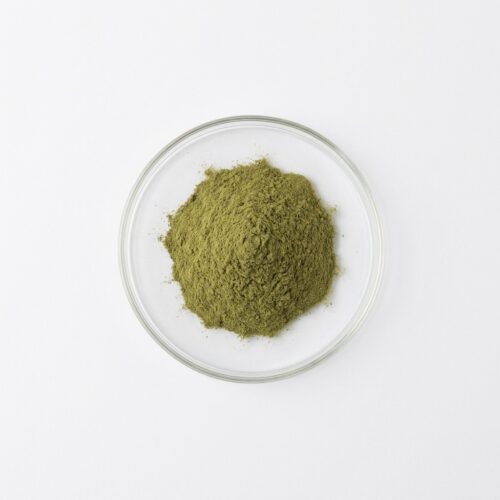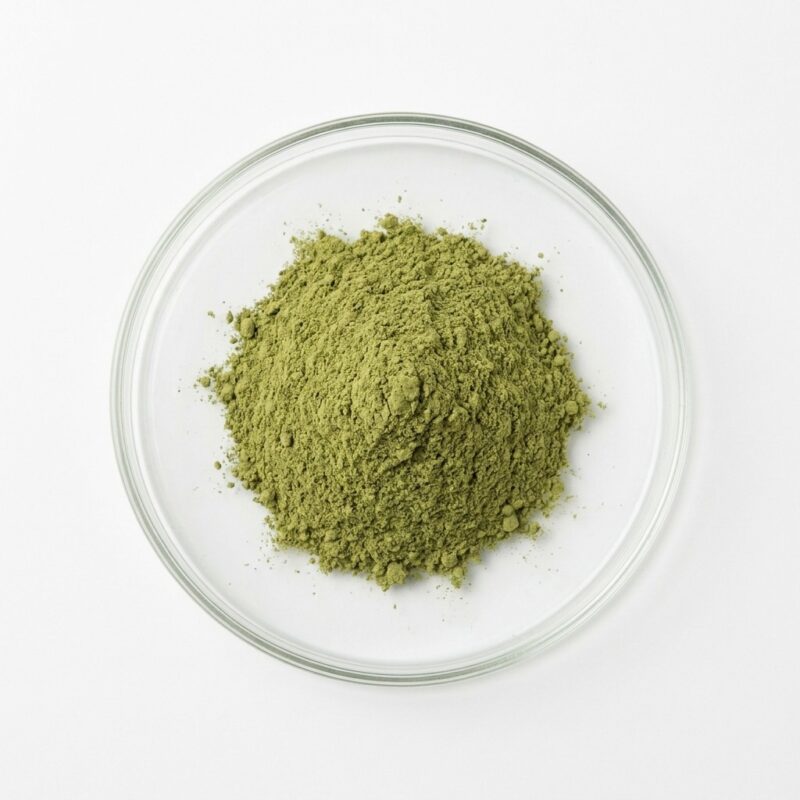
Holy Basil Extract (10:1) is a concentrated botanical extract derived from the aerial parts of Ocimum tenuiflorum (Ocimum sanctum), known as Tulsi in Ayurvedic tradition — considered the most sacred plant in Hindu culture and one of the most revered herbs in Ayurvedic medicine. At a 10:1 concentration ratio, this Halal-certified extract delivers a potent dose of eugenol, rosmarinic acid, ursolic acid, and beta-caryophyllene — bioactive compounds responsible for its adaptogenic, anti-stress, anti-inflammatory, and immunomodulatory properties.
Applications:
- Nutraceuticals (adaptogenic stress relief, immune support, cognitive health capsules)
- Ayurvedic Supplements (traditional Tulsi formulations, holistic wellness products)
- Functional Beverages (Tulsi teas, adaptogen health drinks)
- Beauty Supplements (anti-inflammatory, skin health formulations)
Key Features & Benefits:
- 10:1 concentrated eugenol and rosmarinic acid-rich adaptogenic extract
- Revered Ayurvedic herb with growing global wellness market adoption
- Stress relief, immune support, and anti-inflammatory properties
- Halal-certified & food-grade quality
- Suitable for capsule, tea, and powder formulations
Species and type
Holy basil (tulsi) is Ocimum tenuiflorum, also listed as O. sanctum. It is a different species from sweet basil (O. basilicum). Traditional types such as Rama, Krishna and Vana tulsi differ in chemistry, and Vana tulsi is sometimes a different species (O. gratissimum). Ask the supplier to name the species and type.
Markers
Extracts are usually standardised on ursolic acid, rosmarinic acid or eugenol, measured by HPLC. Water extracts carry more rosmarinic acid; ethanol extracts carry more ursolic acid and volatile compounds such as eugenol. A 10:1 ratio describes the extraction, not the content, so ask what the extract is standardised to.
Methyl eugenol
Some basil types contain methyl eugenol, a compound whose use as a flavouring is restricted in some markets because of safety concerns. Ask for a methyl eugenol result, especially for ethanol extracts.
Contaminants
As a leafy herb, holy basil should be tested for heavy metals, pesticides and microbiology. Other adaptogenic botanicals in the range include Ashwagandha Extract and Rhodiola Rosea Extract.
What to ask for on the certificate of analysis
- Species, type, plant part (leaf or aerial parts) and extraction solvent
- Marker compound (ursolic acid, rosmarinic acid or eugenol) by HPLC
- Methyl eugenol
- Heavy metals and pesticide residues
- Microbiology: total plate count, yeast and mould, E. coli, Salmonella
- Carrier (if any), Halal certificate, batch number, manufacture and retest dates