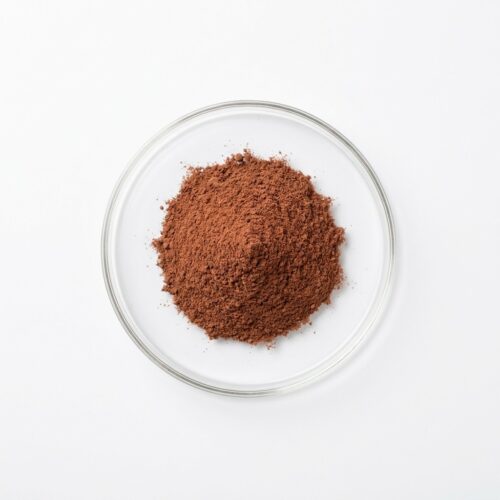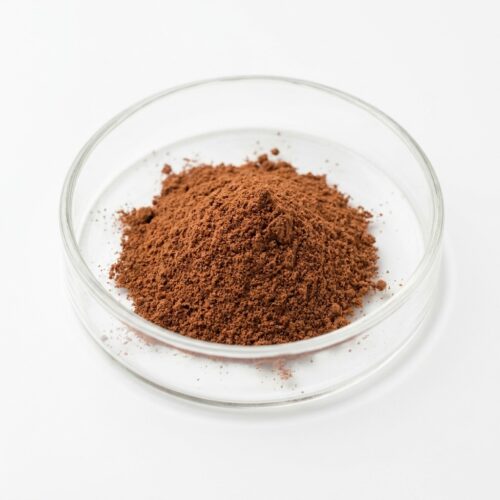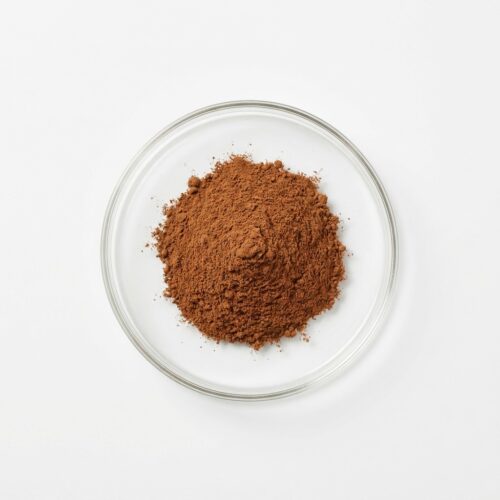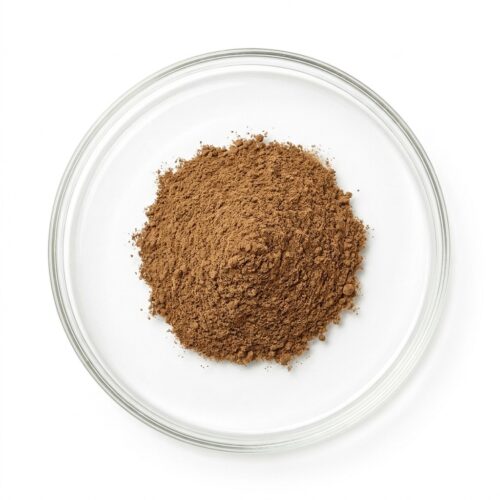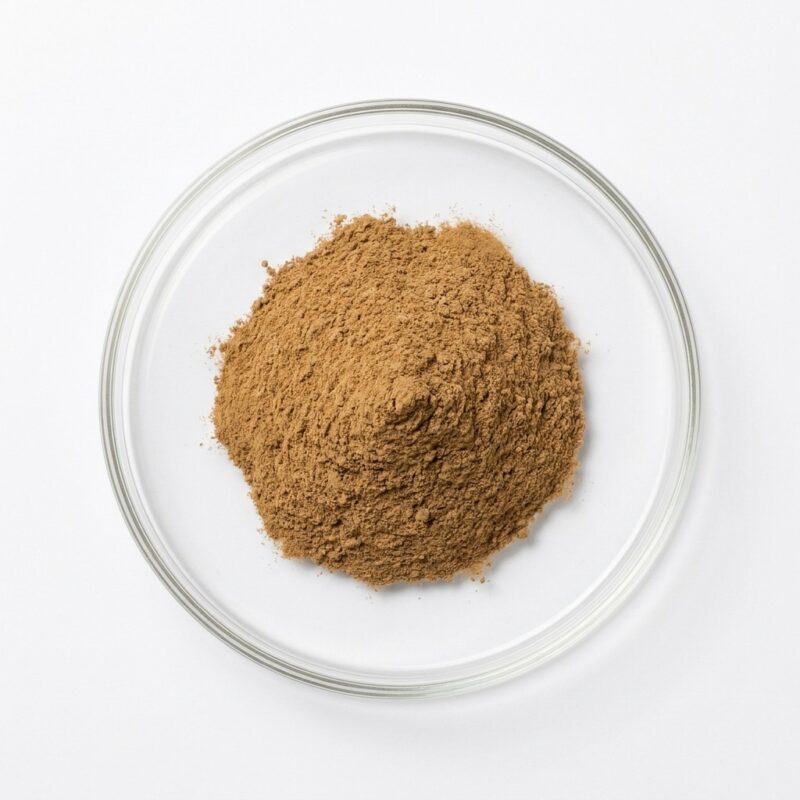
Rhodiola Rosea Extract (10:1) is a concentrated botanical extract derived from the root of Rhodiola rosea, an adaptogenic herb native to the cold mountain regions of Europe and Asia. At a 10:1 concentration ratio, this Halal-certified extract delivers a potent dose of rosavins and salidroside — the primary bioactive compounds responsible for rhodiola’s well-documented adaptogenic, anti-fatigue, stress-relieving, and cognitive-enhancing effects.
Rhodiola is one of the most clinically studied adaptogenic herbs and is particularly valued in the sports performance, executive wellness, and stress management supplement categories.
Applications:
- Nutraceuticals (fatigue relief capsules, stress management supplements, energy blends)
- Sports Nutrition (endurance and performance supplements, anti-fatigue blends)
- Cognitive Health (focus, mental clarity, and executive performance formulations)
- General Wellness (adaptogen blends, burnout prevention products)
Key Features & Benefits:
- 10:1 concentrated rosavin and salidroside-rich adaptogenic extract
- Among the most clinically studied adaptogens for fatigue and stress relief
- Particularly valued in sports performance and executive wellness categories
- Halal-certified & food-grade quality
- Suitable for capsule, powder, and beverage formulations
Rosavins identify Rhodiola rosea
Rhodiola extract is made from the root and rhizome. Its markers are salidroside and the rosavins (rosavin, rosarin and rosin). Salidroside is also found in other Rhodiola species, but the rosavins are characteristic of R. rosea. A rosavin figure by HPLC therefore helps confirm you are buying R. rosea and not a cheaper relative. Commercial extracts are commonly specified as 3% rosavins and 1% salidroside.
What “10:1” does and does not tell you
A 10:1 ratio describes how much dried root went into each kilogram of extract. It does not state the rosavin or salidroside content, which varies with species, origin and processing. If you plan to compare your product with published studies, ask for both markers and their method.
Formulation notes
Rhodiola extract is used in capsules, tablets and powder blends, often in energy and stress formulations alongside other botanicals such as Ginseng Extract. It has a bitter, astringent taste, so flavour masking is needed in drinks.
What the research says
- A 2012 systematic review of 11 controlled trials on fatigue found contradictory results: 2 of 6 trials on physical fatigue in healthy people and 3 of 5 trials on mental fatigue reported a benefit. Every included study had a high or unclear risk of bias, so the authors could not judge true efficacy and called for a rigorous trial. [1]
- A 2025 meta-analysis of 26 randomised trials in 668 healthy, mostly young participants found small improvements in endurance measures (VO2max, time to exhaustion, time-trial performance) and changes in some blood markers of oxidative stress and muscle damage, but no effect on inflammatory markers. The authors note heterogeneity between studies and advise cautious interpretation. [2]
These summaries describe published research on the ingredient. They are not claims for any finished product; claims on finished products must meet the rules of the market where they are sold.
References
- Ishaque S, et al. Rhodiola rosea for physical and mental fatigue: a systematic review. BMC Complement Altern Med. 2012;12:70. doi:10.1186/1472-6882-12-70
- Wang X, et al. The effect of Rhodiola rosea supplementation on endurance performance and related biomarkers: a systematic review and meta-analysis. Front Nutr. 2025;12:1645346. doi:10.3389/fnut.2025.1645346
What to ask for on the certificate of analysis
- Botanical name and plant part (Rhodiola rosea root and rhizome)
- Extraction ratio, solvent and carrier with its percentage
- Rosavins and salidroside content by HPLC
- Identity test (HPLC fingerprint)
- Loss on drying, heavy metals (lead, arsenic, cadmium, mercury) and pesticide residues
- Microbiology: total plate count, yeast and mould, E. coli, Salmonella
- Batch number, manufacture and retest dates