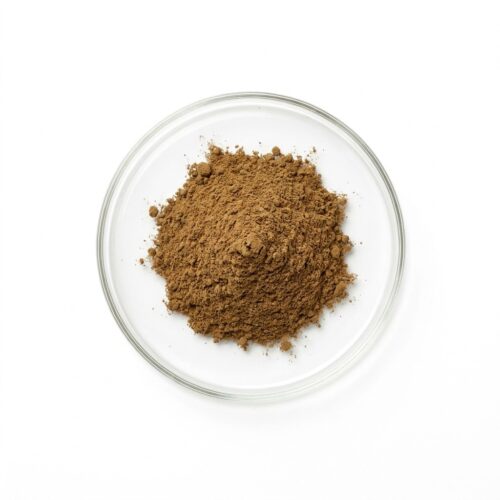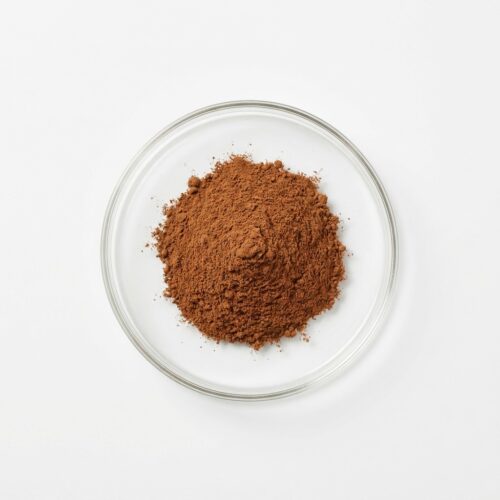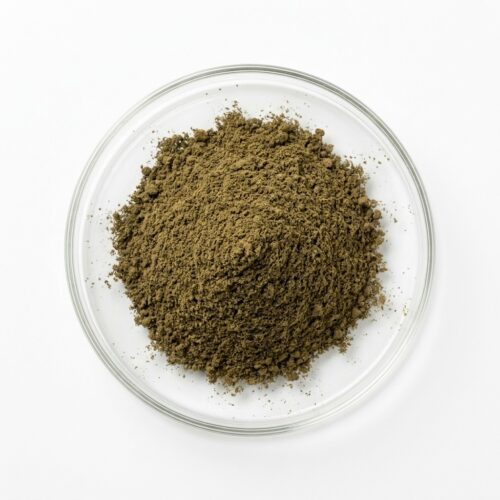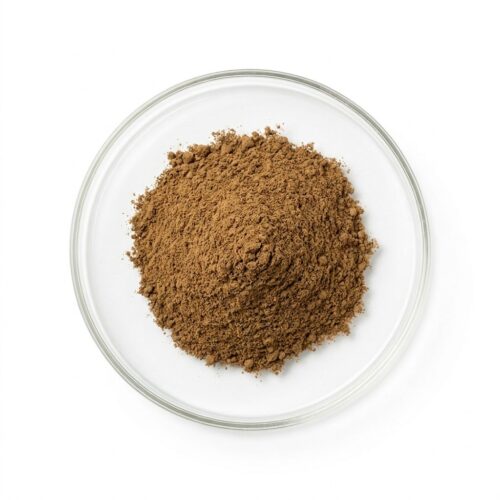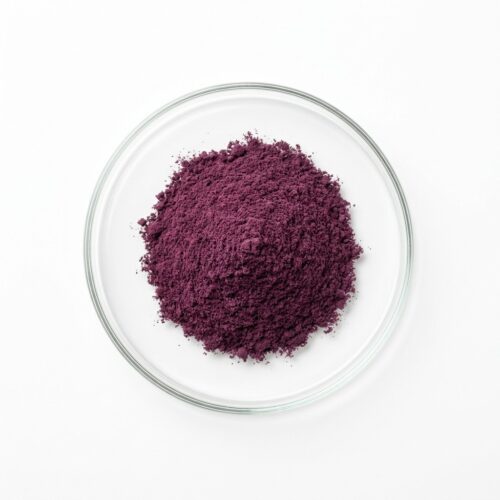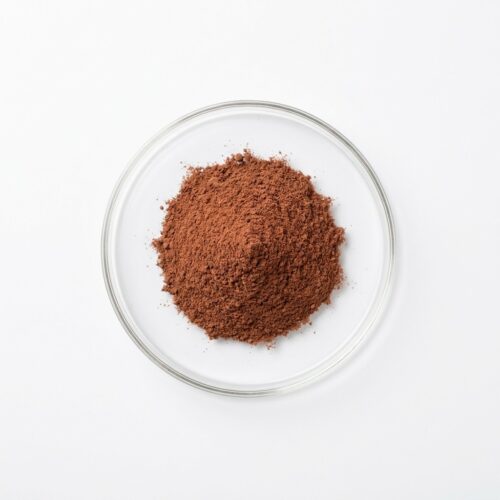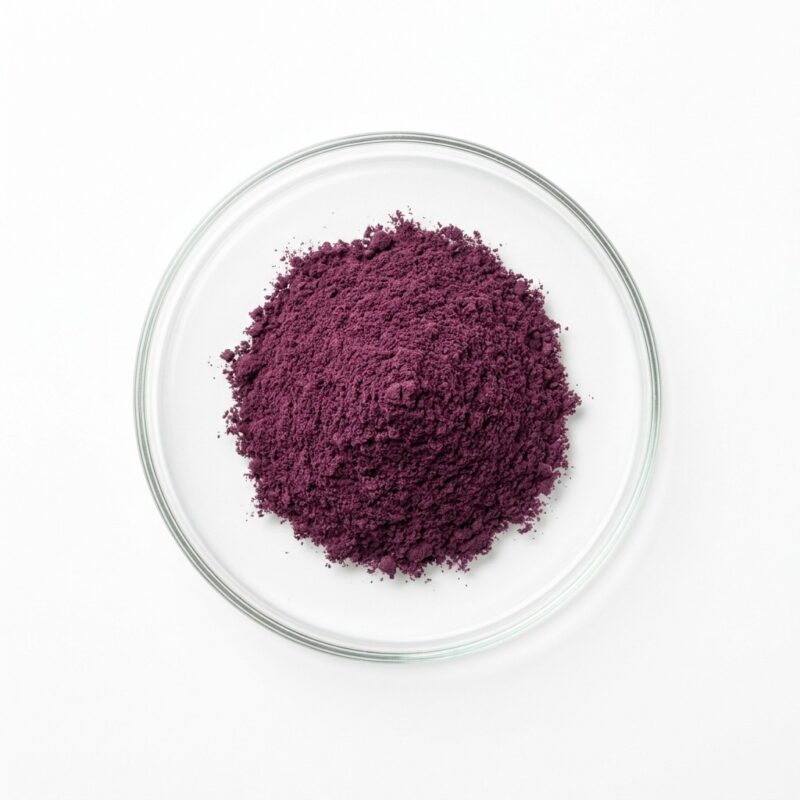
Astaxanthin is a naturally occurring ketocarotenoid pigment with a minimum assay of 2.00% (HPLC), derived primarily from the microalgae Haematococcus pluvialis. Widely regarded as the most potent natural antioxidant ever discovered, Astaxanthin has an antioxidant activity estimated to be up to 6,000 times stronger than Vitamin C, 800 times stronger than CoQ10, and 550 times stronger than Vitamin E — making it an extraordinarily powerful ingredient for anti-ageing, inflammation management, and cellular protection applications.
Astaxanthin’s unique molecular structure allows it to span the full width of cell membranes and cross the blood-brain and blood-retinal barriers, enabling antioxidant protection at the cellular level across multiple organ systems simultaneously.
Applications:
- Nutraceuticals (anti-ageing capsules, antioxidant supplements, cellular protection blends)
- Eye Health (macular degeneration prevention, digital eye fatigue supplements)
- Sports Nutrition (muscle recovery, endurance, anti-inflammatory performance supplements)
- Beauty Supplements (skin anti-ageing, UV protection from within, beauty drinks)
Key Features & Benefits:
- 2.00% min (HPLC) – standardised potent natural carotenoid
- Most powerful natural antioxidant – up to 6,000x stronger than Vitamin C
- Crosses blood-brain and blood-retinal barriers for systemic protection
- Anti-inflammatory, anti-ageing, and sports performance benefits
- Suitable for capsule, softgel, and powder formulations
Natural versus synthetic, and why the assay figure needs reading carefully
Astaxanthin reaches the market from two quite different routes. Algal astaxanthin from Haematococcus pluvialis is the form used in human nutrition and is predominantly esterified — mono- and di-esters rather than free astaxanthin. Synthetic astaxanthin is a petrochemical product with a different stereoisomer profile, made largely for aquaculture pigmentation, and is not interchangeable in a supplement. Because the natural material is esterified, a “total astaxanthin” figure and a “free astaxanthin” figure are not the same number, and comparing one supplier’s total against another’s free will mislead you on both potency and price.
Formulation notes
Astaxanthin is lipophilic and among the least stable carotenoids: oxygen, light and heat all degrade it, and degradation shows up as colour loss before it shows up in assay. It is normally supplied already protected — as an oleoresin, or beadleted or cold-water-dispersible for aqueous systems — and the protection is the product. Adding unprotected oleoresin to a hot or aerated process will not survive shelf life.
It is also an intense red pigment at low inclusion, which is a formulation constraint rather than a bonus: it will tint a white tablet, a cream or a beverage, and that colour drifts as the molecule oxidises. Plan the finished appearance around it, and specify opaque packaging.
What the research says
- A 2020 systematic review of 11 clinical studies found that astaxanthin at 3–6 mg a day improved skin texture, the appearance of wrinkles and skin moisture in several randomised trials, and appeared to protect against UV-induced skin damage. The authors note small study sizes, mostly healthy Japanese women, and frequent commercial funding. [1]
- In a 10-week double-blind trial in 23 healthy adults, 4 mg a day raised the UV dose needed to redden the skin (minimal erythema dose) and reduced moisture loss in irradiated skin, compared with placebo. [2]
- In a 6-week double-blind trial in 36 healthy men, 6 mg a day of astaxanthin from Haematococcus pluvialis improved crow’s-feet wrinkles, skin elasticity and transepidermal water loss. [3]
These summaries describe published research on the ingredient. They are not claims for any finished product; claims on finished products must meet the rules of the market where they are sold.
References
- Ng QX, et al. Effects of astaxanthin supplementation on skin health: a systematic review of clinical studies. J Diet Suppl. 2021;18(2):169–182. doi:10.1080/19390211.2020.1739187
- Ito N, Seki S, Ueda F. The protective role of astaxanthin for UV-induced skin deterioration in healthy people: a randomized, double-blind, placebo-controlled trial. Nutrients. 2018;10(7):817. doi:10.3390/nu10070817
- Tominaga K, et al. Cosmetic benefits of astaxanthin on human subjects. Acta Biochim Pol. 2012;59(1):43–47. PubMed 22428137
What to ask for on the certificate of analysis
- Assay by HPLC stating whether the figure is total or free astaxanthin, and the source organism.
- The physical form — oleoresin, beadlet or CWD — and the carrier and antioxidant system used to stabilise it.
- Residual solvents, which depend on whether extraction was supercritical CO2 or solvent-based.
- Peroxide value, the practical indicator of whether the oil phase has begun to oxidise.
- Heavy metals and microbiological profile.