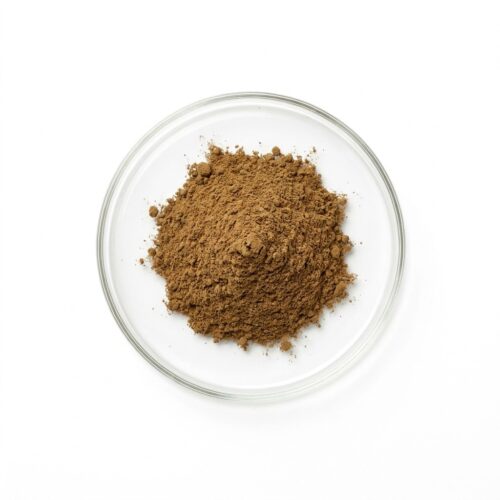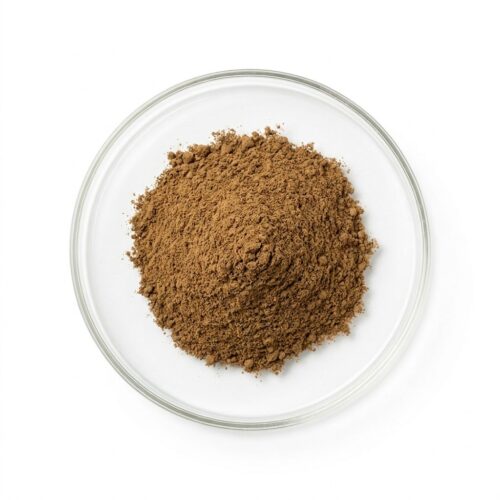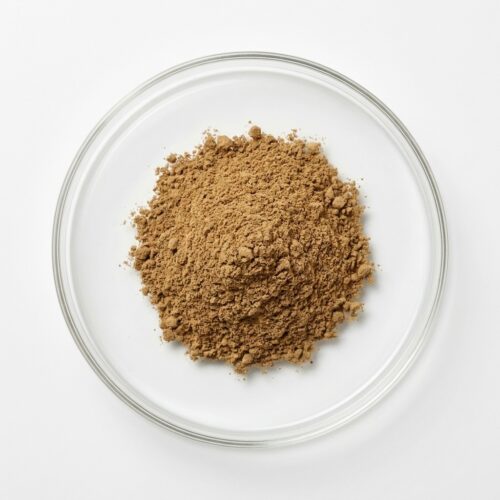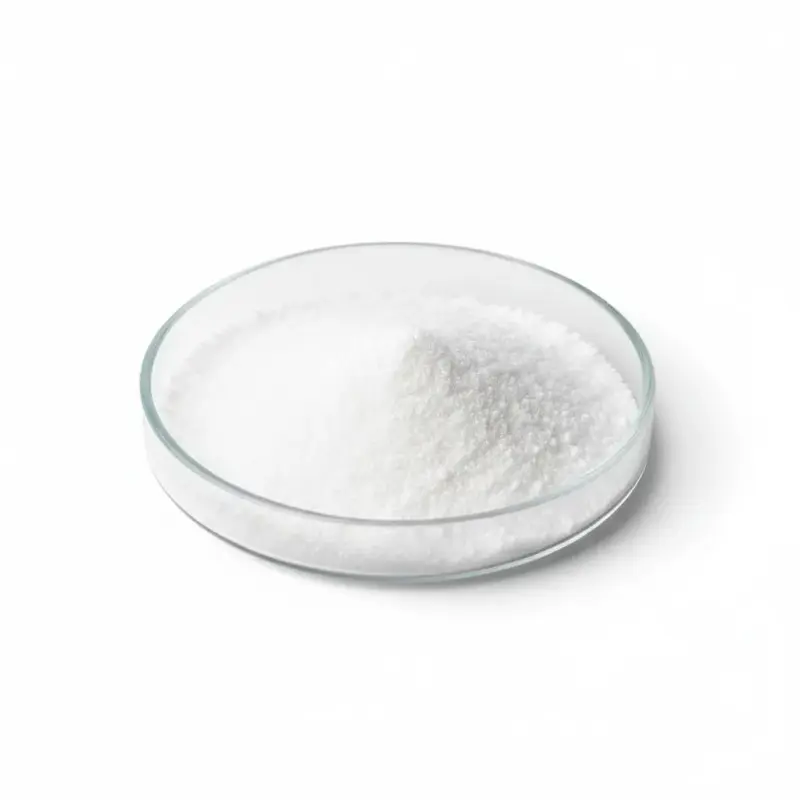
L-Carnitine Fumarate is a salt form of L-Carnitine in which L-Carnitine is bound to fumaric acid, offering superior stability and improved handling characteristics compared to free-form L-Carnitine Base. With an L-Carnitine content of 56.5–60.5% and fumaric acid content of 40.5–42.5%, this standardised ingredient delivers a precise and consistent L-Carnitine dose per gram of material. The fumarate salt form also contributes fumaric acid — a Krebs cycle intermediate — which may provide complementary energy metabolism support.
L-Carnitine Fumarate is the preferred L-Carnitine form for tablet and capsule solid dosage formulations due to its excellent powder flow characteristics, lower hygroscopicity, and chemical stability compared to L-Carnitine Base or L-Carnitine Tartrate.
Applications:
- Sports Nutrition (fat metabolism, endurance, and pre-workout tablets and capsules)
- Weight Management (body composition, fat burning solid dosage supplements)
- Cardiovascular Health (heart health tablet formulations)
- General Wellness (energy metabolism and vitality supplements)
Key Features & Benefits:
- L-Carnitine 56.5–60.5% / Fumaric acid 40.5–42.5% – precisely standardised salt form
- Superior stability and powder handling vs free-form L-Carnitine
- Preferred for solid dosage (tablet, capsule) formulations
- Fumarate provides complementary Krebs cycle energy metabolism support
- Halal-certified & food-grade quality
Why the carnitine figure is around 58%
L-carnitine fumarate is a 1:1 salt of L-carnitine (molecular weight about 161) and fumaric acid (about 116). By weight that works out at roughly 58% carnitine and 42% fumaric acid, which is why the carnitine content of this material sits in the high 50s rather than near 100%. Doses and label claims must be calculated on carnitine, not on the weight of the fumarate. For comparison, the free base, L-Carnitine Base, is essentially all carnitine, and L-carnitine L-tartrate carries roughly 68%.
Where the fumarate fits
The practical advantage of the salt is handling. The free base is strongly hygroscopic and difficult to tablet in humid conditions; the fumarate is a much more manageable, free-flowing powder for tablets and capsules. The trade-off is a lower carnitine payload per gram, so more material is needed for the same carnitine dose, which matters for capsule size and cost.
Checks worth making
Both components should be assayed, because the ratio confirms that the salt is correctly formed. Specific optical rotation confirms the L-form. Fumaric acid is mildly acidic, so check compatibility in blends with acid-sensitive ingredients.
What to ask for on the certificate of analysis
- L-carnitine content and fumaric acid content, each by assay
- Specific optical rotation, confirming the L-form
- Loss on drying and residue on ignition
- Heavy metals: lead, arsenic, cadmium and mercury
- Microbiology: total plate count, yeast and mould, E. coli, Salmonella
- Particle size or bulk density, for tablet and capsule filling
- Halal certificate, batch number, manufacture and retest dates