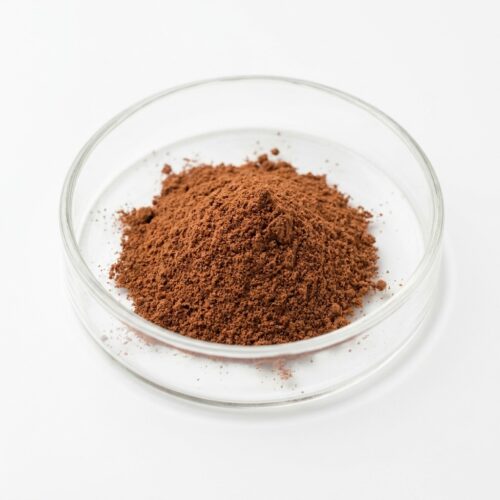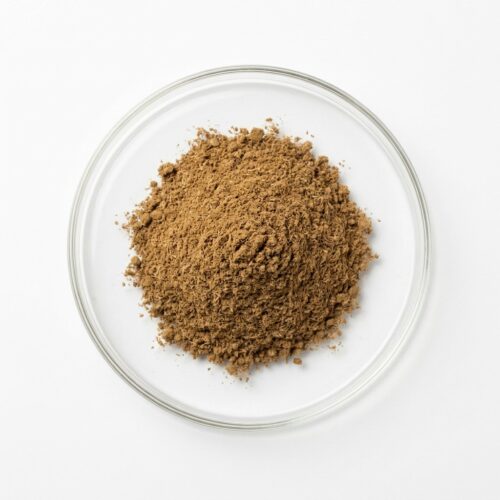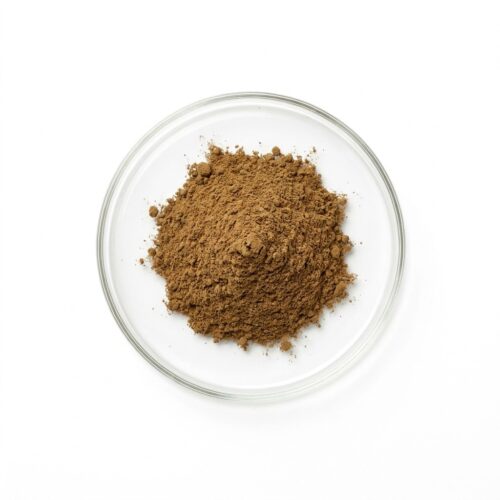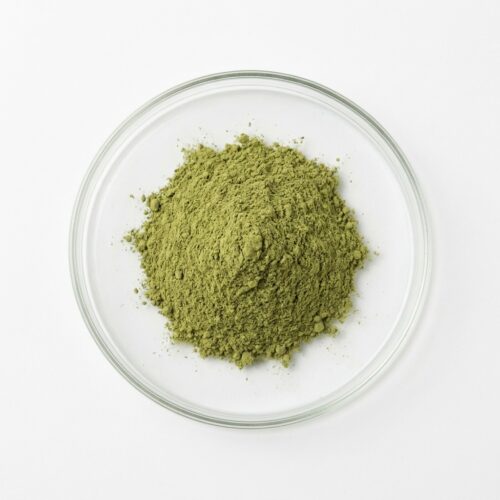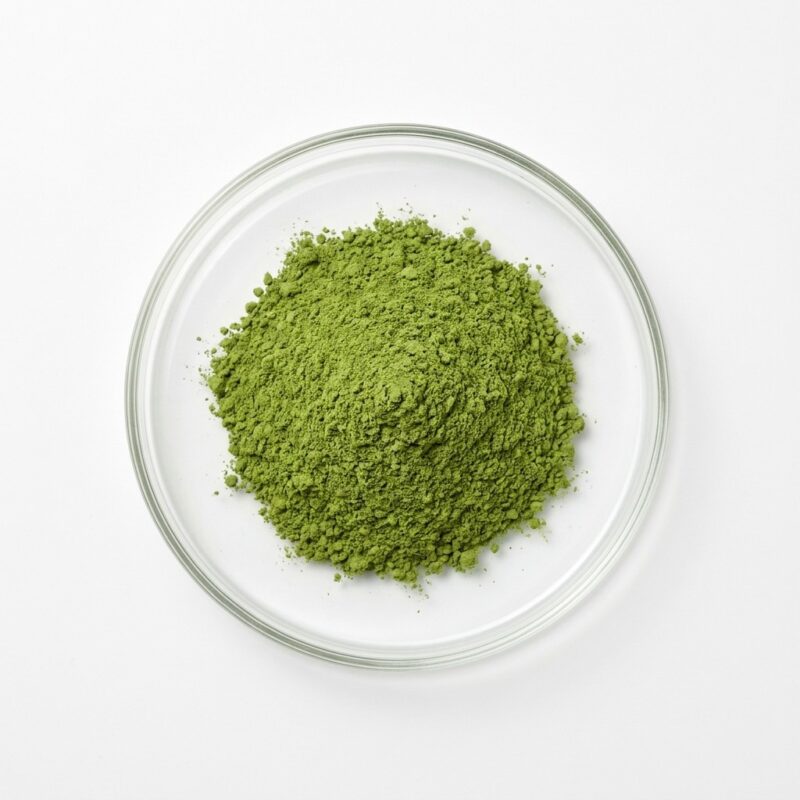
Senna Leaf Extract is a concentrated botanical extract derived from the dried leaves of Senna alexandrina (Cassia senna), standardised to contain 60.0% sennosides (UV). Senna is one of the most widely used natural laxative ingredients in pharmaceutical and nutraceutical products, and it has been tested in controlled trials (see the research below). Sennosides A and B — the primary bioactive anthraquinone glycosides — act directly on the colonic mucosa and smooth muscle to stimulate peristaltic movement and promote bowel evacuation.
Senna Leaf Extract is a regulated herbal ingredient, widely used in over-the-counter laxative products, bowel preparation formulations, and constipation relief supplements.
Applications:
- Nutraceuticals (constipation relief supplements, bowel regularity formulations, laxative blends)
- Traditional Herbal Medicine (Islamic and Ayurvedic bowel health preparations)
- Functional Teas (senna herbal tea blends, detox tea formulations)
Key Features & Benefits:
- 60.0% sennosides (UV) – standardised extract
- Stimulant laxative studied in controlled trials for constipation and bowel preparation
- Well-recognised in Islamic traditional medicine (Senna Al-Makki) and Ayurveda
- Halal-certified & food-grade quality
- Suitable for capsule, tablet, tea, and powder formulations
Sennosides A and B are the active compounds
Senna extract is standardised to its sennosides, mainly sennoside A and sennoside B. They are dianthrone glycosides that pass through the small intestine unchanged. Gut bacteria in the colon convert them into the active form, rhein anthrone, which stimulates bowel movement, usually within 6 to 12 hours. Because the effect depends on the sennoside dose, a standardised extract gives a more predictable dose than cut leaf or leaf powder.
What “60.0% sennosides (UV)” tells you
A UV (spectrophotometric) assay measures a group of related glycosides together, usually expressed as one reference compound such as sennoside B. An HPLC assay measures sennoside A and B individually, and the sum can be lower for the same material. Compare offers only on the same method. Our guide to sennosides and the senna extract COA explains the difference. For the assay method on our current lot, or an HPLC result, WhatsApp us.
Leaf or pod, extract or powder
Senna is made from the leaves or the pods (fruits) of Senna alexandrina. Ask for the plant part, the extraction solvent and any carrier on the specification. For background on uses, senna tea and safety, see our senna leaf guide and the senna leaf extract supplier page.
Use is short-term
Senna is a stimulant laxative for occasional, short-term use. Finished products need a clear dose and duration limit, and claims must follow the rules of the target market, including NPRA in Malaysia.
What the research says
- In a 28-day double-blind trial in 90 adults with chronic constipation, senna 1.0 g a day improved overall symptoms in 69.2% of patients versus 11.7% on placebo, with no severe treatment-related adverse events. Most participants were women. [1]
- In a randomised trial in 705 adults, a sennoside A + B bowel preparation achieved adequate cleansing more often than a sodium picosulfate regimen (70.1% vs 56.3%), but intolerance was more frequent (7.0% vs 0.7%). [2]
- A 2022 meta-analysis of observational studies found a non-significant association between anthraquinone laxative use and colorectal cancer (OR 1.41, 95% CI 0.94–2.11), with moderate- to low-quality evidence. [3]
These summaries describe published research on the ingredient. They are not claims for any finished product; claims on finished products must meet the rules of the market where they are sold.
References
- Morishita D, et al. Senna versus magnesium oxide for the treatment of chronic constipation: a randomized, placebo-controlled trial. Am J Gastroenterol. 2021;116(1):152-161. doi:10.14309/ajg.0000000000000942
- Durak I, et al. Comparison of sennoside A + B and sodium picosulfate-based regimens for bowel preparation: a prospective randomized trial. Tech Coloproctol. 2026;30(1). doi:10.1007/s10151-026-03336-2
- Lombardi N, et al. Anthraquinone laxatives use and colorectal cancer: a systematic review and meta-analysis of observational studies. Phytother Res. 2022;36(3):1093-1102. doi:10.1002/ptr.7373
What to ask for on the certificate of analysis
- Sennoside content, with the method (UV or HPLC) and the reference compound
- Botanical name (Senna alexandrina) and plant part (leaf or pod)
- Extraction solvent and any carrier, with its percentage
- Identity test (TLC or HPLC fingerprint)
- Loss on drying, heavy metals and pesticide residues
- Microbiology: total plate count, yeast and mould, E. coli, Salmonella
- Batch number, manufacture and retest dates, and the Halal certificate