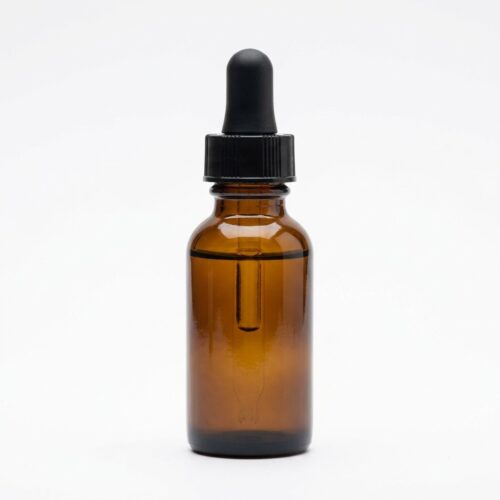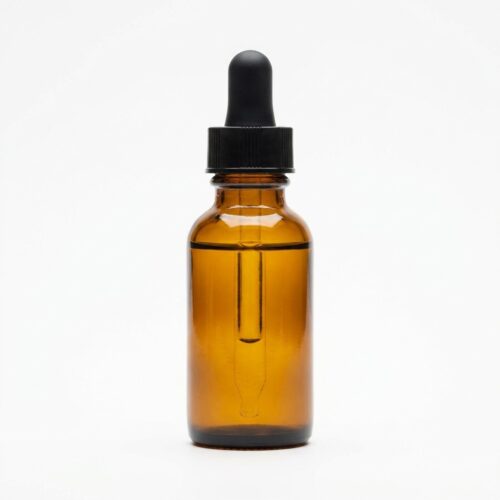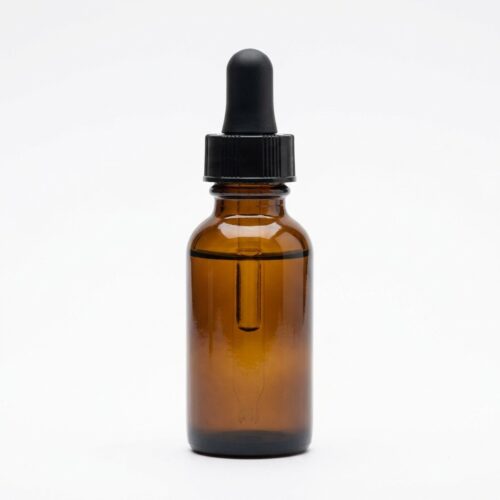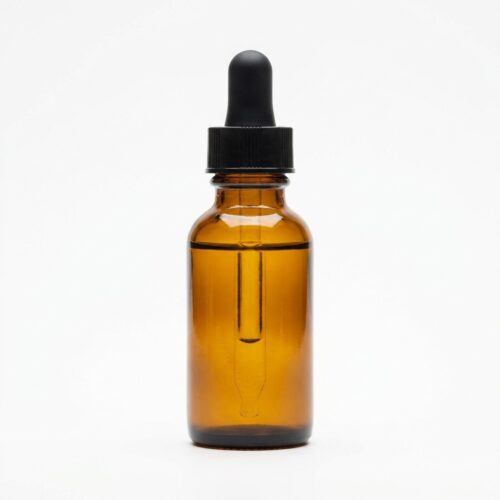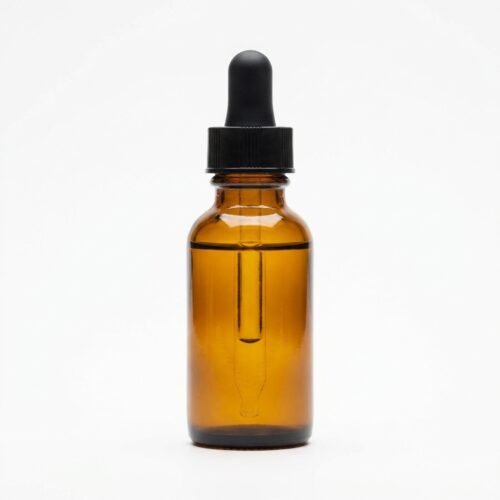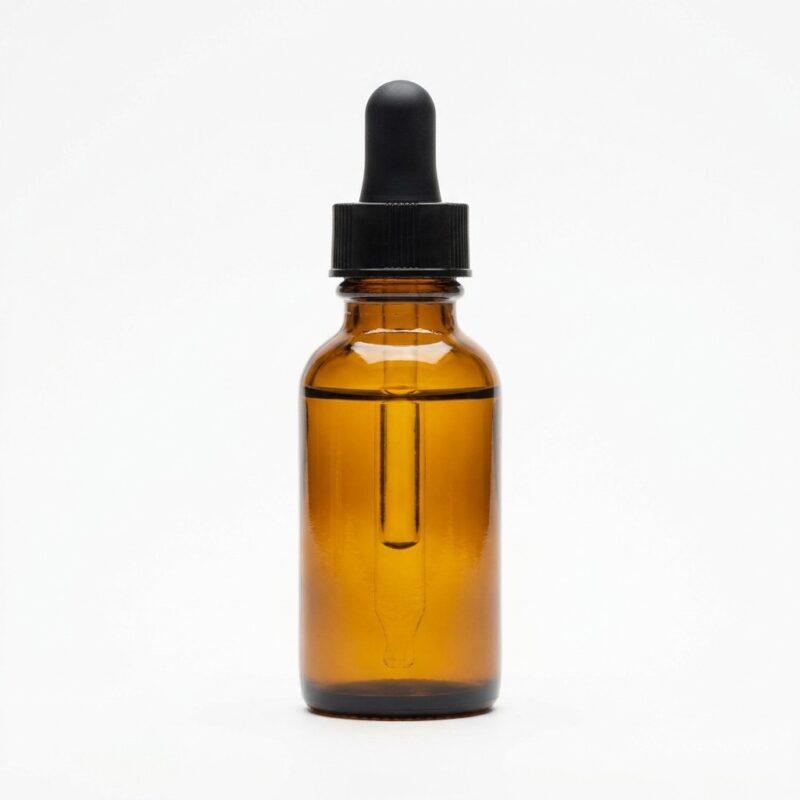
Sweet Almond Oil is a lightweight, versatile carrier oil cold-pressed from the kernels of Prunus amygdalus dulcis (sweet almond), presenting as a clear yellow to pale yellow oily liquid. One of the most widely used carrier oils in the professional cosmetic and personal care industry, Sweet Almond Oil is prized for its balanced fatty acid profile — predominantly oleic acid and linoleic acid — which gives it excellent skin-softening, emollient, and barrier-supporting properties without an overly heavy or greasy texture.
INCI: Prunus Amygdalus Dulcis (Sweet Almond) Oil
Sweet Almond Oil is a classic base oil for massage, skincare, and personal care formulations, valued for its mild, neutral scent, excellent spreadability, and broad skin type compatibility — from sensitive baby skin to mature and dry complexions.
Applications:
- Skincare (body lotions, facial moisturisers, massage oils, baby care products)
- Haircare (hair conditioning treatments, scalp massage, leave-in hair oils)
- Cosmetics (lip balms, eye creams, makeup removal oils, cuticle care)
- Massage & Aromatherapy (premier carrier for essential oil blending and massage)
Key Features & Benefits:
- Clear yellow to pale yellow – clean, light carrier oil
- No animal substance – suitable for vegan and Halal-compliant formulations
- Excellent emollient and skin-softening properties
- Mild, neutral scent with broad skin type compatibility
- Premier carrier oil for massage and essential oil dilution
Allergen status is the first thing to design around
Sweet almond is a tree nut, and that governs how the finished product must be labelled and where it can be sold. In cosmetics it is a declarable ingredient and a known contact allergen; in anything ingestible it is a major allergen with mandatory declaration in essentially every market. Baby and sensitive-skin positioning — the categories this oil is most often chosen for — are exactly the categories where nut-allergen labelling is scrutinised. Confirm the labelling requirement for your market before the formula is locked, and check whether the supplier’s facility also handles other nuts if cross-contact statements are needed.
Sweet almond, not bitter almond
This matters and is occasionally confused in sourcing. Bitter almond (Prunus amygdalus var. amara) contains amygdalin, which yields hydrogen cyanide on hydrolysis; the expressed oil and the distilled bitter almond oil are controlled materials handled quite differently. The cosmetic carrier oil is from the sweet variety, Prunus amygdalus dulcis. Require the variety on the specification rather than accepting “almond oil”.
The adulteration problem: apricot kernel
Apricot kernel oil is cheaper than sweet almond and has a fatty-acid profile close enough that a routine fatty-acid result will not reliably separate them — which is why substitution is common and long-standing. The sterol profile is the discriminating test. If the application is allergen-sensitive this is not merely a commercial concern: a buyer who believes they have almond oil and has apricot kernel, or the reverse, has an incorrect allergen declaration.
What to ask for on the certificate of analysis
- Botanical variety confirmed as Prunus amygdalus dulcis (sweet, not bitter).
- Sterol profile — the test that separates sweet almond from apricot kernel.
- Refined or cold-pressed/virgin, stated explicitly.
- Full fatty-acid profile, peroxide value and free fatty acid with pressing date.
- Allergen statement and facility cross-contact information.