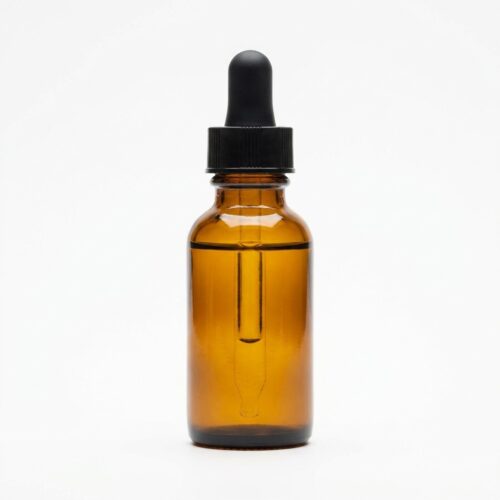
Orange Essential Oil is a therapeutic-grade oil cold-pressed from the rind of Citrus sinensis (sweet orange) or Citrus aurantium (bitter orange), presenting as intensely yellow, orange, or deep orange. Dominated by d-limonene (90–95%), Orange Oil delivers the most joyful, uplifting, and universally loved citrus aroma in the world — associated globally with happiness, energy, and warmth. It is one of the most versatile, affordable, and widely used essential oils across aromatherapy, personal care, cleaning products, and fragrance applications globally.
Applications:
- Aromatherapy (mood uplift, happiness, anxiety reduction, children’s calming blends)
- Personal Care (freshening shampoos, body washes, deodorants, and skin care)
- Cleaning Products (natural degreasing, disinfecting, and freshening formulations)
- Fine Fragrance (bright, joyful citrus top note in fresh, fruity, and oriental fragrances)
Key Features & Benefits:
- Intensely yellow to orange – vibrant authentic cold-pressed orange rind oil
- No animal substance – suitable for vegan and Halal-compliant formulations
- High d-limonene – uplifting, antimicrobial, and natural degreasing properties
- The most universally loved and emotionally positive citrus aroma
- Versatile and affordable for high-volume personal care and cleaning applications
Sweet orange and bitter orange are different oils
Sweet orange oil (Citrus sinensis) and bitter orange oil (Citrus aurantium) are separate materials with separate INCI names. Both are mostly limonene, but they differ in odour and in safety profile: cold-pressed bitter orange peel oil contains furocoumarins and is restricted by IFRA for phototoxicity in leave-on products on sun-exposed skin, while cold-pressed sweet orange oil is not treated the same way. The species must therefore be fixed in the specification. The blossom of bitter orange gives Neroli Oil, a different product again; for sweet orange specifically, see Sweet Orange Oil.
Oxidation is the main stability risk
At around 90% or more limonene, orange oil oxidises readily in air to limonene hydroperoxides, which are skin sensitisers, and the fresh note fades at the same time. Keep containers full, sealed, cool and dark (nitrogen blanketing helps), buy in quantities that will be used quickly, and check peroxide value on older stock. Any added antioxidant should be declared.
Folded oils and aldehydes
The orange character depends less on limonene than on minor aldehydes such as decanal and octanal. Folded (concentrated) orange oils remove part of the limonene to raise these, giving more strength per kilogram, better solubility and better stability; the aldehyde content is the usual quality marker. Compare Lemon Oil and Bergamot Oil.
What to ask for on the certificate of analysis
- Species (Citrus sinensis or Citrus aurantium) and INCI name
- Process: cold-pressed, distilled, or folded (with fold)
- GC profile with limonene and total aldehydes (as decanal) stated
- Furocoumarin content or phototoxicity statement, especially for bitter orange
- Peroxide value, date of manufacture, and any added antioxidant
- Physical constants: relative density, refractive index, optical rotation, evaporation residue
- Declarable fragrance allergens, a current IFRA certificate, and food or cosmetic grade