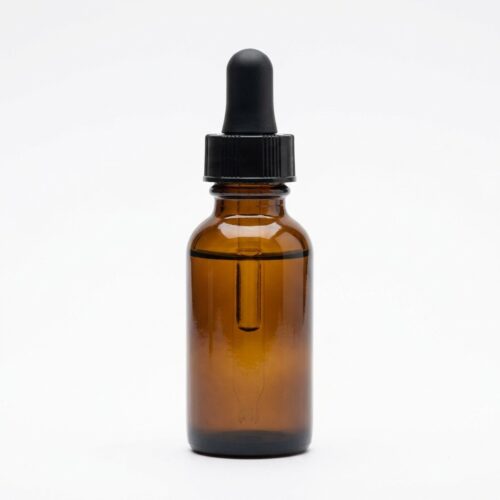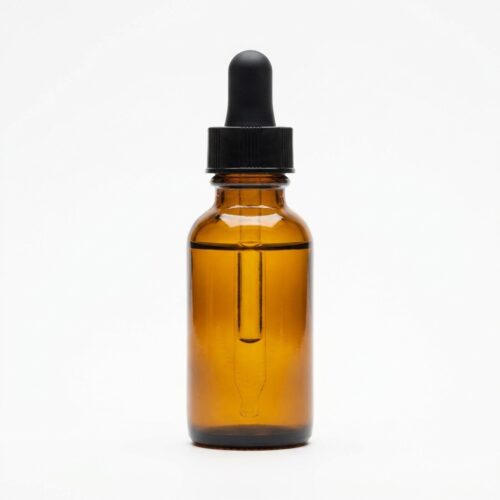
Neroli Essential Oil is a therapeutic-grade oil steam-distilled from the freshly harvested flowers of Citrus aurantium (bitter orange blossom), presenting as almost colourless to light yellow. One of the most precious and expensive natural floral essential oils in the world — requiring hundreds of kilograms of hand-picked flowers to produce a single kilogram of oil — Neroli delivers an exquisitely delicate, rich, sweet-floral, with honey-like, slightly citrusy notes. It is a defining ingredient in the original Eau de Cologne formulation and remains one of the most coveted natural floral materials in fine perfumery.
Applications:
- Fine Fragrance (essential floral heart note in luxury feminine, oriental, and fresh perfumes)
- Skincare (cell regeneration, anti-ageing, sensitive and mature skin formulations)
- Aromatherapy (anxiety relief, emotional healing, and deeply calming blends)
- Premium Personal Care (luxury body oils, bath products, and prestige skincare)
Key Features & Benefits:
- Almost colourless to light yellow – precious genuine Neroli essential oil
- No animal substance – suitable for vegan and Halal-compliant formulations
- One of the most precious and costly natural floral aromatics in fine perfumery
- Cell-regenerating and deeply calming aromatherapy properties
- Essential ingredient in classic Eau de Cologne and luxury feminine fragrances
Neroli, orange flower absolute and petitgrain
The bitter orange tree (Citrus aurantium subsp. amara) gives several different materials. Neroli oil, as on this page, is steam-distilled from the blossoms. Orange flower absolute is solvent-extracted from the same blossoms and is deeper and more indolic, with more methyl anthranilate. Petitgrain oil is distilled from the leaves and twigs and costs a small fraction of neroli. Orange flower water is the aromatic distillation water left from making neroli. The expressed peel oil is a separate product again, Orange Oil. The form must be stated on the specification.
Chemistry and adulteration
Neroli is led by linalool and limonene, with beta-pinene, linalyl acetate, nerolidol and small amounts of methyl anthranilate, which give its honeyed, slightly indolic floral character. Because of its price, neroli is commonly extended with petitgrain oil or with synthetic linalool and linalyl acetate; a GC-MS profile read against the expected ranges for the stated origin (Tunisia, Morocco and Egypt are the main sources) is the practical check. Neroli contains several declarable fragrance allergens, including linalool, limonene and farnesol.
Storage
Store sealed, cool and dark. Neroli can darken with age and light exposure, and its delicate top notes are the first to fade. It pairs with Ylang-Ylang Oil and Jasmine Oil in floral hearts.
What to ask for on the certificate of analysis
- Species (Citrus aurantium subsp. amara), plant part (flowers) and form (distilled oil, not absolute or petitgrain)
- GC-MS profile with linalool, limonene, linalyl acetate, nerolidol and methyl anthranilate quantified
- Physical constants: relative density, refractive index, optical rotation
- Declarable fragrance allergens and a current IFRA certificate
- Country of origin, harvest year and batch number