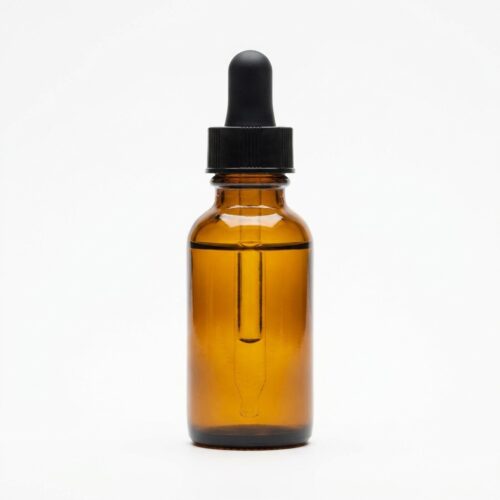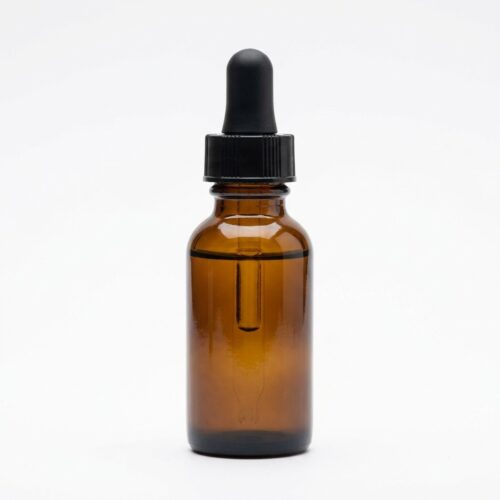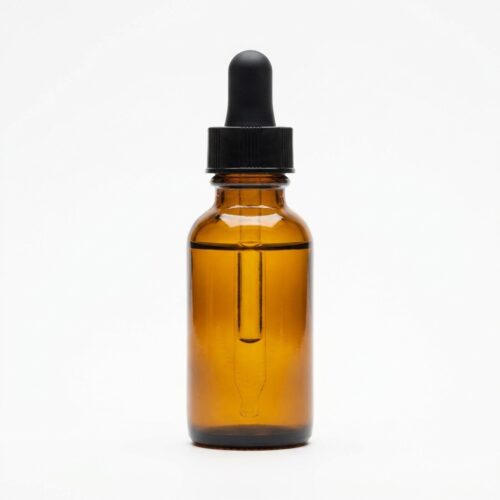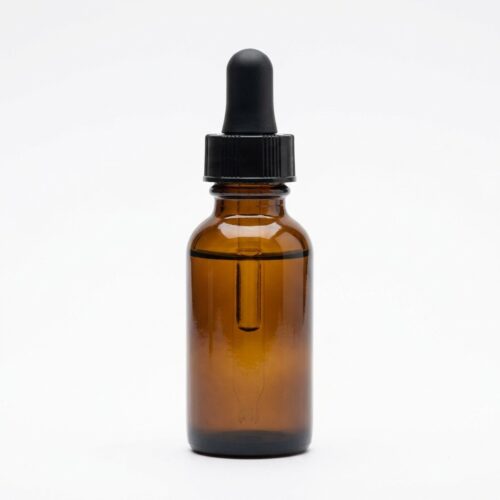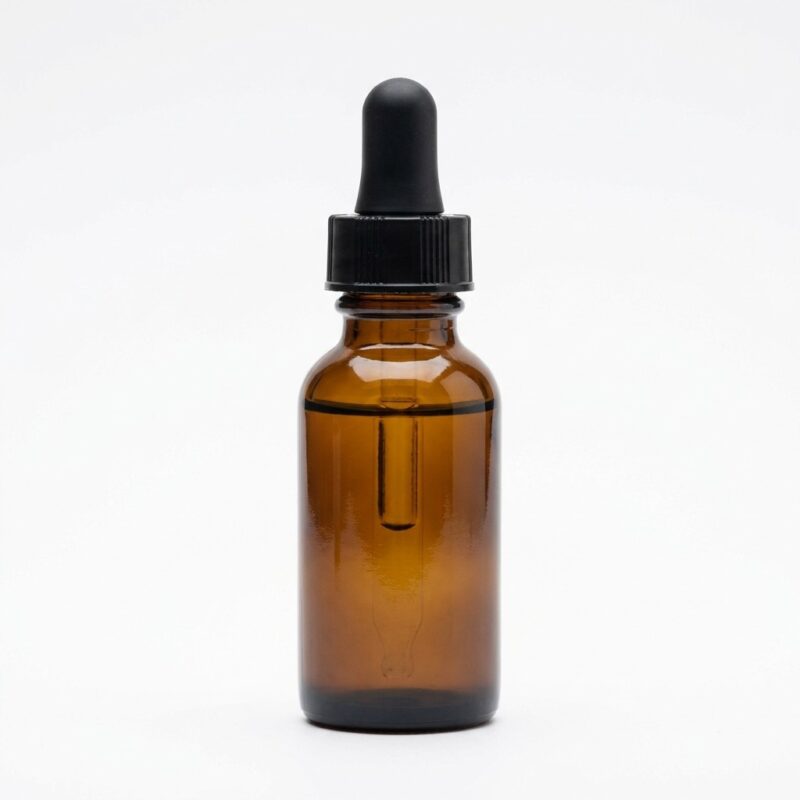
Vetiver Essential Oil is a therapeutic-grade oil steam-distilled from the washed and dried roots of Vetiveria zizanioides (vetiver grass), presenting as amber to grayish-brown, olive-brown to dark brown. Known as the ‘oil of tranquility’ in Sri Lanka and India, Vetiver delivers one of the most complex, deep, earthy, smoky, woody, and tenacious base note fragrances in the entire perfumery palette — with exceptional fixative properties that make it indispensable in fine fragrance as a natural base note and fixative. It is also one of the most grounding and deeply calming essential oils in aromatherapy, studied for its ability to reduce anxiety and nervous system hyperactivity.
Applications:
- Fine Fragrance (deep earthy woody base note and fixative in oriental, masculine, and chypre perfumes)
- Aromatherapy (profound grounding, anxiety reduction, nervous system calming diffuser blends)
- Skincare (anti-ageing, skin-toning, and anti-inflammatory luxury formulations)
- Premium Personal Care (masculine body care, luxury bath products, hair perfume)
Key Features & Benefits:
- Amber to dark brown – authentic therapeutic-grade vetiver root oil
- No animal substance – suitable for vegan and Halal-compliant formulations
- Most tenacious natural fragrance base note – exceptional fixative properties
- Profound grounding and anxiety-reducing aromatherapy properties
- Deep, complex earthy-woody character essential in oriental and masculine perfumery
Origin shapes the odour
Vetiver oil (Chrysopogon zizanioides, formerly Vetiveria zizanioides) varies strongly by origin. Haitian vetiver is the largest source and is generally the cleanest and most refined in odour. Javanese (Indonesian) vetiver is darker, smokier and earthier. Bourbon vetiver from Réunion is highly regarded but scarce. North Indian wild vetiver (ruhi khus) is a distinct, prized material. Name the origin on the specification and keep it consistent across batches.
Chemistry and quality markers
Vetiver is one of the most complex essential oils, made up mostly of sesquiterpenes and their alcohols and ketones. Khusimol, vetiselinenol and the vetivones (alpha- and beta-vetivone) are the main markers and carry the tenacious, woody-earthy odour; together with the high viscosity, they explain its fixative value. The oil is also the starting material for vetiveryl acetate, a refined derivative used in fine fragrance. Because it is viscous and dark, dilution or blending with cheaper materials is hard to see by eye, so a GC-MS profile against the expected origin is the practical check.
In the formula
As a base note and fixative it pairs with Patchouli Oil, Sandalwood Oil and Cedarwood Oil.
What to ask for on the certificate of analysis
- Species (Chrysopogon zizanioides) and country of origin
- GC-MS profile with khusimol, vetiselinenol and alpha- and beta-vetivone identified
- Physical constants: relative density, refractive index, optical rotation, acid and ester values
- Declarable fragrance allergens and a current IFRA certificate
- Statement of no added diluents
- Batch number and date of manufacture