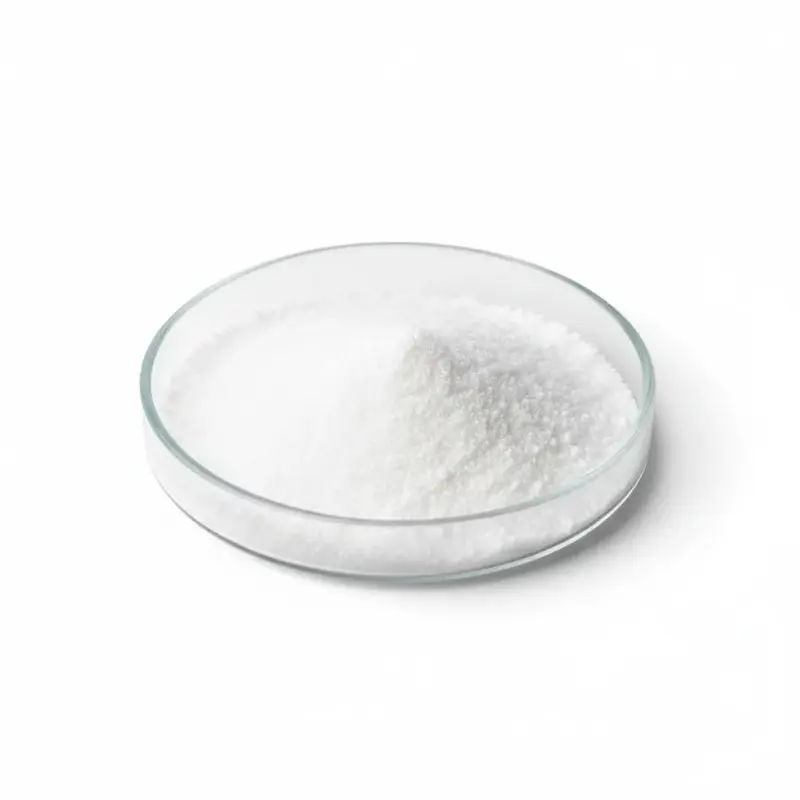
N-Acetyl L-Cysteine (NAC) is a stable, bioavailable acetylated form of the amino acid cysteine and a direct precursor to glutathione — the body’s most powerful endogenous antioxidant. NAC replenishes intracellular glutathione levels, supports liver detoxification, and acts as a mucolytic agent by breaking down mucus disulfide bonds in respiratory formulations.
Applications:
- Liver protection and detoxification supplements
- Respiratory health formulations (mucolytic, bronchitis, COPD)
- Antioxidant and anti-ageing supplements
- Addiction recovery and mental health nutraceuticals
Key Features & Benefits:
- Direct glutathione precursor — the master antioxidant
- Clinically validated mucolytic for respiratory health
- Supports liver detoxification pathways
- No animal substance – suitable for halal formulations
- Stable acetylated form with superior bioavailability vs plain cysteine
Purity markers that matter
NAC is a thiol compound, and its main impurities come from that sulfur group. The key one is N,N’-diacetylcystine, the oxidised dimer, which forms on exposure to air and moisture; L-cystine, L-cysteine and N,N’-diacetylcysteine are also controlled under the pharmacopoeia monographs (USP and EP). A specification that lists only the assay, without these related substances, says little about how the material has been made or stored. Specific optical rotation confirms the L-form.
Odour, stability and handling
NAC has a characteristic sulfurous odour and a sour taste, so effervescent, powder and drink formats usually need flavour masking. It oxidises in solution and in humid conditions, and it can react with metal ions, so keep it sealed and dry, and check compatibility with iron, copper and other minerals in the same blend. Store cool and away from light.
Regulatory status varies by market
NAC is also a pharmaceutical active (mucolytic and antidote uses), so its status as a supplement ingredient differs between markets and has changed over time in some of them. Confirm the classification for the target market, including with NPRA for Malaysia, before positioning a finished product. For related materials, see L-Glutathione Reduced (see our glutathione guide and glutathione forms compared) and Taurine.
What the research says
- A 2015 meta-analysis of 13 studies (4,155 patients with chronic bronchitis or COPD) found that patients treated with NAC had fewer exacerbations than those on placebo or control (relative risk 0.75). NAC was well tolerated, and side effects did not increase with dose. [1]
- A 2024 meta-analysis of 20 studies found fewer exacerbations with NAC than placebo in COPD (incidence rate ratio 0.76) and in chronic bronchitis or pre-COPD (0.81). Patients with chronic bronchitis or pre-COPD were also more likely to report better symptoms or quality of life. [2]
These summaries describe published research on the ingredient. They are not claims for any finished product; claims on finished products must meet the rules of the market where they are sold.
References
- Cazzola M, et al. Influence of N-acetylcysteine on chronic bronchitis or COPD exacerbations: a meta-analysis. Eur Respir Rev. 2015;24(137):451–461. doi:10.1183/16000617.00002215
- Papi A, et al. N-acetylcysteine treatment in chronic obstructive pulmonary disease (COPD) and chronic bronchitis/pre-COPD: distinct meta-analyses. Arch Bronconeumol. 2024;60(5):269–278. doi:10.1016/j.arbres.2024.03.010
What to ask for on the certificate of analysis
- Assay and the pharmacopoeia it is tested against (USP or EP)
- Related substances: N,N’-diacetylcystine, L-cystine, L-cysteine
- Specific optical rotation, pH of a stated solution, loss on drying
- Heavy metals: lead, arsenic, cadmium and mercury; and iron
- Microbiology: total plate count, yeast and mould, E. coli, Salmonella
- Production route, GMO and allergen statements, Halal certificate
- Batch number, manufacture and retest dates