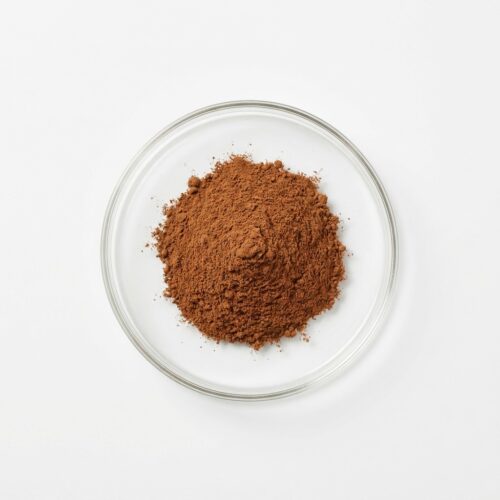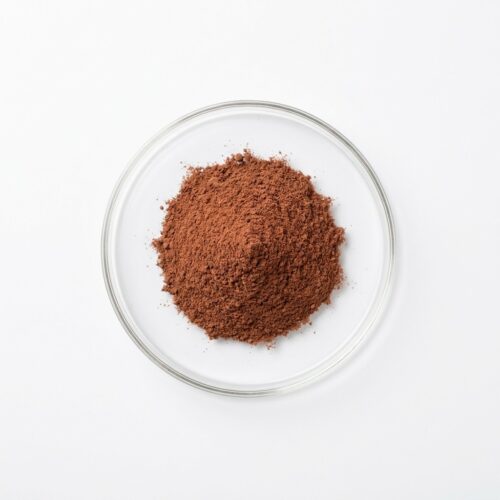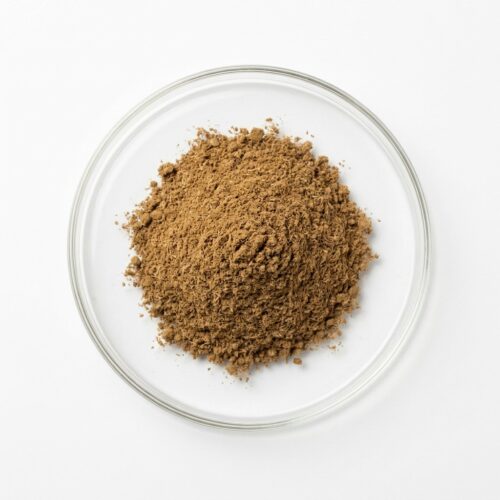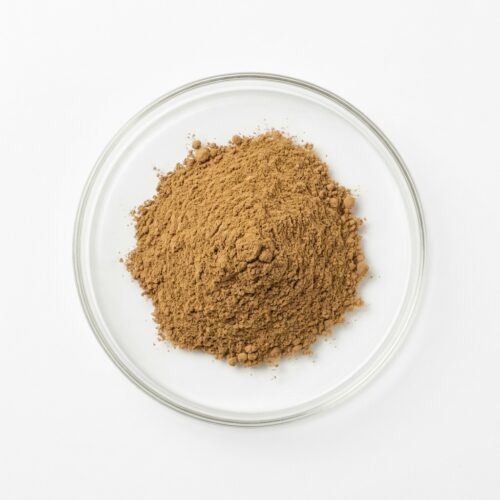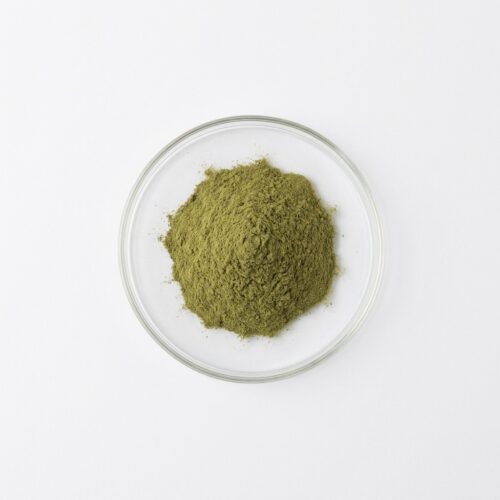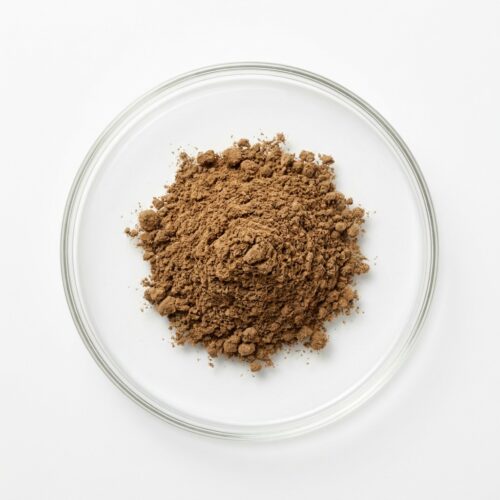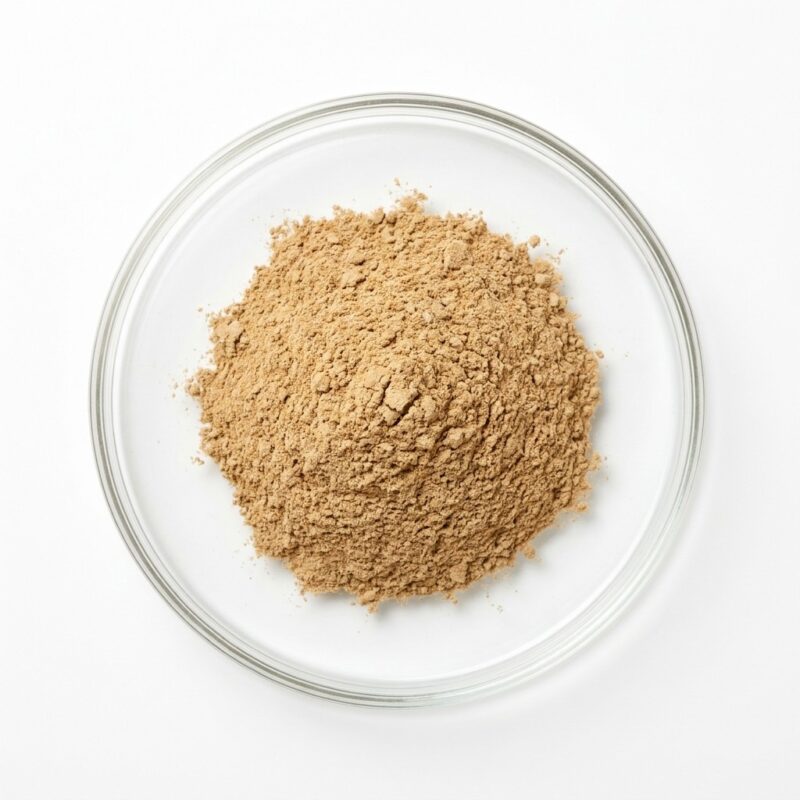
Black Pepper Extract (Piperine) is standardised from Piper nigrum and is the most widely used bioavailability enhancer in the nutraceutical industry. Piperine inhibits intestinal P-glycoprotein and hepatic CYP3A4 metabolism, significantly increasing the absorption of co-administered nutrients including curcumin, CoQ10, resveratrol, beta-carotene, and many pharmaceuticals.
Applications:
- Bioavailability enhancer in combination supplement formulations
- Curcumin/turmeric absorption booster (most common pairing)
- Thermogenic and metabolism support formulations
- Cognitive and nootropic supplement blends
Key Features & Benefits:
- Increases bioavailability of nutrients by up to 2000% (curcumin)
- 95% piperine standardised extract for consistent potency
- Inhibits P-glycoprotein and CYP3A4 — broad-spectrum enhancer
- No animal substance – halal-certified
- Low inclusion rate — 5–20mg per serving effective dose
95% by HPLC or by UV?
Piperine is the pungent alkaloid of black pepper (Piper nigrum) fruit. A 95% figure should be measured by HPLC; UV methods also pick up related alkaloids and can read higher. Ask for the method, and ask whether the specification also limits the piperine isomers, because piperine changes into its isomers (chavicine and others) when exposed to light, which reduces the piperine content.
Light, dust and handling
Keep piperine in light-proof, sealed packaging and check its content again during stability testing of your finished product. The powder is a strong irritant to the eyes, nose and throat, so use dust control and protective equipment when weighing and blending.
Interactions are part of the design
Piperine is used because it changes how the body absorbs and breaks down other compounds. That same effect can change the levels of some medicines, so plan for an appropriate label statement. Its best-known pairings are Curcumin Powder Extract and Coenzyme Q10.
What to ask for on the certificate of analysis
- Botanical name and plant part (Piper nigrum fruit)
- Piperine content by HPLC (and isomers, if specified)
- Extraction solvent and residual solvents
- Identity test (HPLC)
- Loss on drying, heavy metals (lead, arsenic, cadmium, mercury) and pesticide residues
- Microbiology: total plate count, yeast and mould, E. coli, Salmonella
- Batch number, manufacture and retest dates