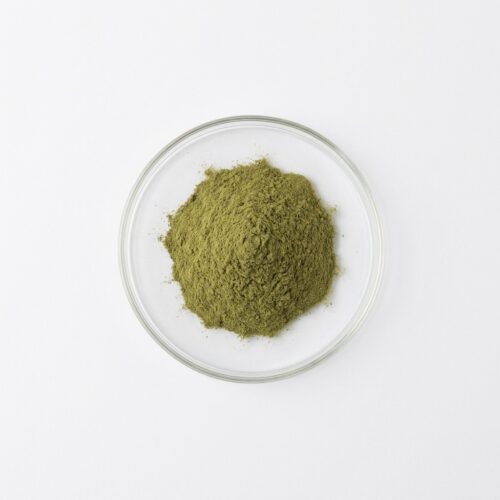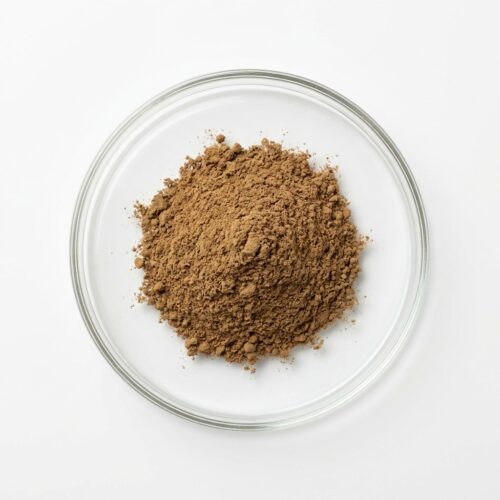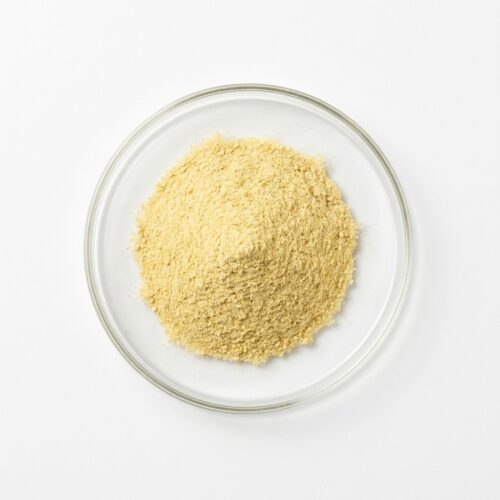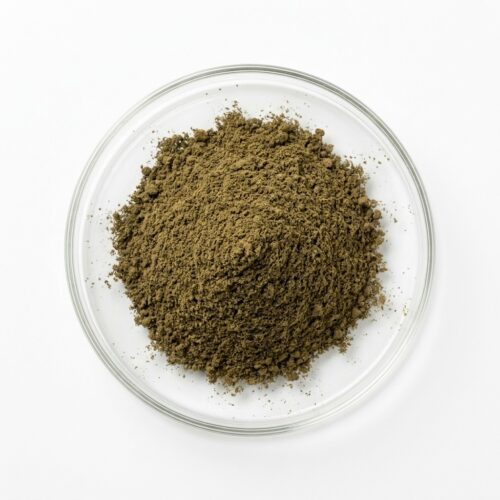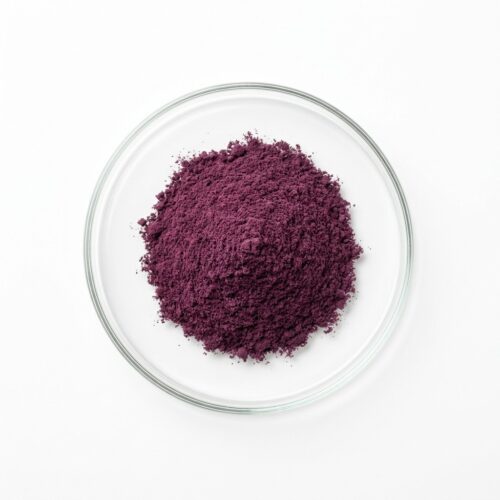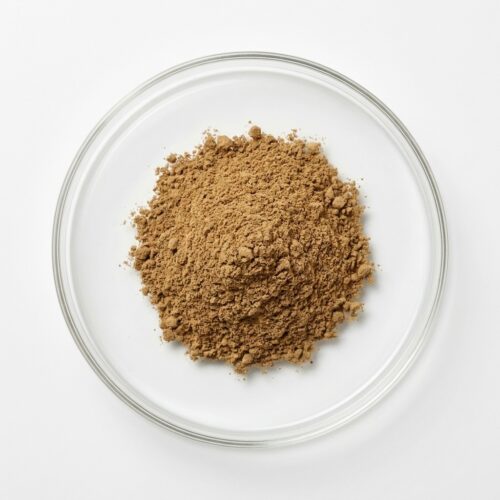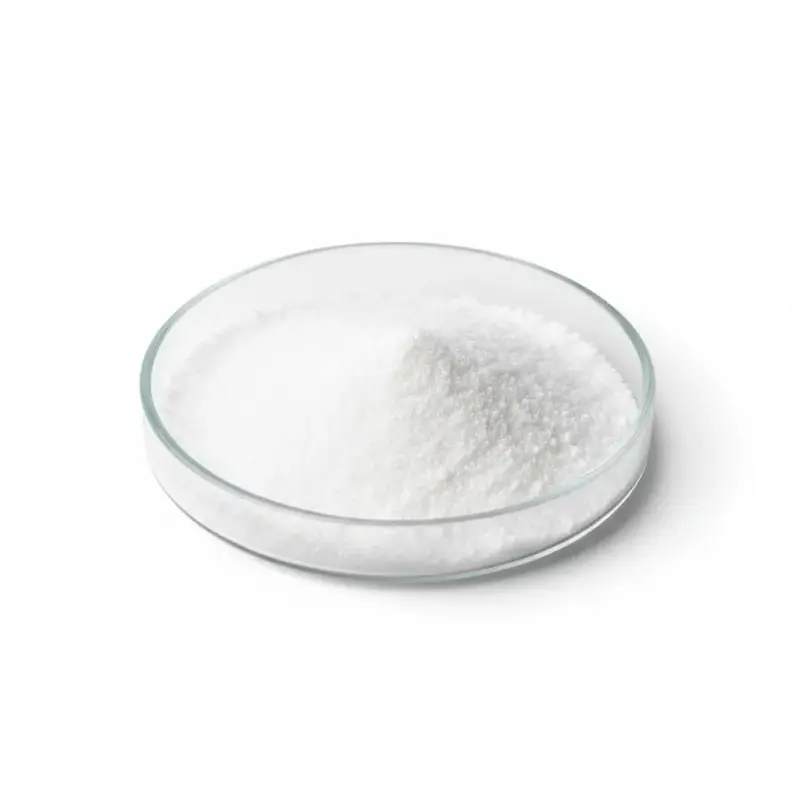
Chitosan is a natural biopolymer derived by deacetylation of chitin from crustacean shells (shrimp, crab, lobster) or fungal fermentation. As a dietary supplement, chitosan’s positively charged amino groups bind negatively charged dietary fat molecules in the gastrointestinal tract, reducing fat absorption. It is also widely used as a natural antimicrobial agent, wound healing biopolymer, and pharmaceutical excipient for controlled-release drug delivery.
Applications:
- Fat-binding and weight management supplement formulations
- Cholesterol reduction and cardiovascular health products
- Wound healing and tissue engineering applications
- Pharmaceutical controlled-release tablet and capsule excipient
Key Features & Benefits:
- Cationic fat binder — reduces dietary fat absorption in GI tract
- EFSA-reviewed for cholesterol and weight management
- Natural antimicrobial and wound healing properties
- Halal-certified fungal-derived grades available (vegan)
- Available in low, medium, and high molecular weight grades
The source decides allergen, Halal and vegan status
Chitosan is made from chitin, taken either from crustacean shells or from fungal sources. The source is not a detail. Crustacean chitosan can bring shellfish-allergen labelling obligations, while fungal chitosan is the route to vegan claims. FC offers Halal-certified fungal grades; confirm the source on the specification for every lot you plan to label.
Degree of deacetylation and molecular weight
Two numbers define a chitosan grade. The degree of deacetylation (DDA) tells you how much of the chitin has been converted, and it drives solubility and binding behaviour. Molecular weight, usually expressed as a viscosity grade, sets how thick its solutions are, from low to high molecular weight grades. Chitosan does not dissolve in neutral water; it dissolves in dilute acid, which matters for liquid and ready-to-drink formats.
Claims
Chitosan is associated with fat binding and cholesterol management, but permitted health claims are specific to each market and to their exact wording. Keep finished-product claims within what your target market allows.
What the research says
- A 2019 meta-analysis of 15 randomised controlled trials (1,130 adults) found that chitosan reduced body weight by 0.89 kg, BMI by 0.39 kg/m² and body fat by 0.69% compared with control. Benefits were seen mainly at doses above 2.4 g/day, in trials shorter than 12 weeks, and in overweight or obese participants. The authors call for further well-designed trials. [1]
- A 2009 meta-analysis of 6 randomised placebo-controlled trials (416 patients with high cholesterol) found that chitosan lowered total cholesterol by 11.59 mg/dL. It did not significantly change LDL cholesterol, HDL cholesterol or triglycerides. [2]
These summaries describe published research on the ingredient. They are not claims for any finished product; claims on finished products must meet the rules of the market where they are sold.
References
- Huang H, et al. The effects of chitosan supplementation on body weight and body composition: a systematic review and meta-analysis of randomized controlled trials. Crit Rev Food Sci Nutr. 2019;60(11):1815–1825. doi:10.1080/10408398.2019.1602822
- Baker WL, et al. A meta-analysis evaluating the impact of chitosan on serum lipids in hypercholesterolemic patients. Ann Nutr Metab. 2009;55(4):368–374. doi:10.1159/000258633
What to ask for on the certificate of analysis
- Source (crustacean or fungal).
- Degree of deacetylation, with the method used.
- Viscosity or molecular-weight grade.
- Moisture, ash and insoluble matter.
- Heavy metals: lead, arsenic, mercury and cadmium.
- Microbiological profile.
Related ingredients
Other fibres and binders used in weight-management and digestive formulas: Psyllium Husk and Inulin.