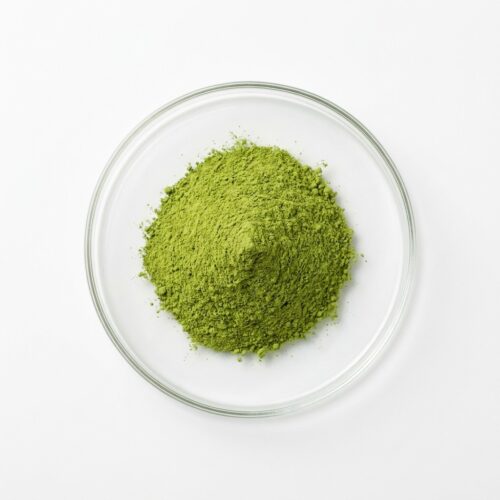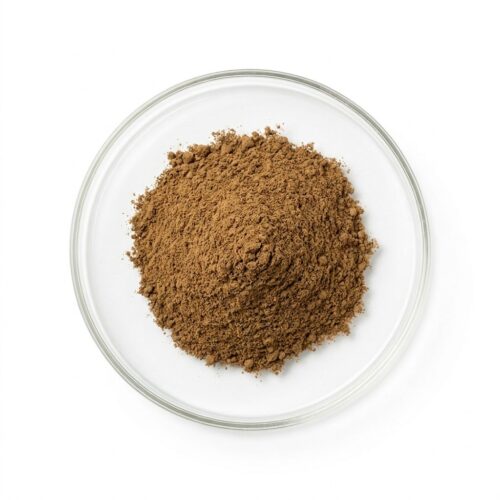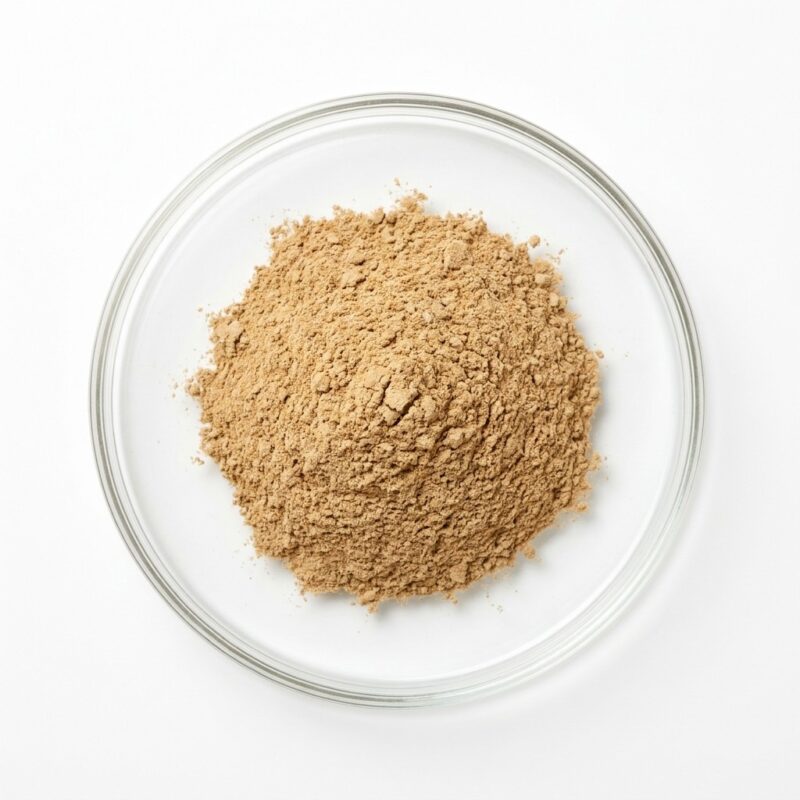
Boswellia Serrata Extract 65% is standardised to a minimum 65% boswellic acids — the primary anti-inflammatory triterpenoids of Boswellia serrata (Indian frankincense). AKBA (3-O-acetyl-11-keto-β-boswellic acid) is the most potent boswellic acid, specifically inhibiting 5-LOX (5-lipoxygenase) — the key enzyme in leukotriene-mediated inflammation relevant to joint, gut, and respiratory health.
Applications:
- Joint health and osteoarthritis relief formulations
- Anti-inflammatory and pain management supplements
- Gut health and IBD support formulations
- Sports recovery and muscle inflammation supplements
Key Features & Benefits:
- 65% boswellic acids — pharmaceutical grade standardisation
- Selective 5-LOX inhibitor — targets leukotriene inflammation
- Clinically studied for knee osteoarthritis pain and mobility
- No animal substance – halal-certified
- Well tolerated with minimal GI side effects vs NSAIDs
Titration and HPLC give different numbers
A “65% boswellic acids” figure is usually measured by titration, which counts all acidic resin components. HPLC measures the individual boswellic acids, including KBA and AKBA, and typically gives a lower total. AKBA is normally a small share of the total. Ask which method was used and for AKBA by HPLC if your formula depends on it.
Branded and generic extracts are not interchangeable
Many clinical trials used specific branded Boswellia serrata extracts with a defined, often enriched, AKBA content. Results from those products cannot simply be applied to a generic 65% extract. Match the extract type and marker profile to the evidence you rely on.
Absorption and formulation
Boswellic acids are lipophilic and poorly absorbed, and exposure depends on the formulation and on whether they are taken with food. Boswellia is often combined with Curcumin Powder Extract, Black Pepper Extract (Piperine) or Chondroitin Sulfate in joint formulas.
What the research says
- A 2020 meta-analysis of 7 trials (545 patients with osteoarthritis) found that boswellia and its extracts reduced pain and stiffness and improved joint function compared with control groups. The authors suggest at least 4 weeks of use. [1]
- A 2024 meta-analysis of 13 knee-osteoarthritis studies found no significant overall effect versus all control groups, because the studies differed widely. A subgroup analysis against placebo did show lower WOMAC scores with boswellia. The evidence is therefore mixed and depends on the comparison and the extract. [2]
These summaries describe published research on the ingredient. They are not claims for any finished product; claims on finished products must meet the rules of the market where they are sold.
References
- Yu G, et al. Effectiveness of Boswellia and Boswellia extract for osteoarthritis patients: a systematic review and meta-analysis. BMC Complement Med Ther. 2020;20(1):225. doi:10.1186/s12906-020-02985-6
- Dalmonte T, et al. Efficacy of extracts of oleogum resin of Boswellia in the treatment of knee osteoarthritis: a systematic review and meta-analysis. Phytother Res. 2024;38(12):5672-5689. doi:10.1002/ptr.8336
What to ask for on the certificate of analysis
- Botanical name and plant part (Boswellia serrata oleo-gum resin)
- Total boswellic acids with the method (titration or HPLC)
- KBA and AKBA by HPLC
- Extraction solvent and residual solvents
- Loss on drying, heavy metals and microbiology
- Batch number, manufacture and retest dates