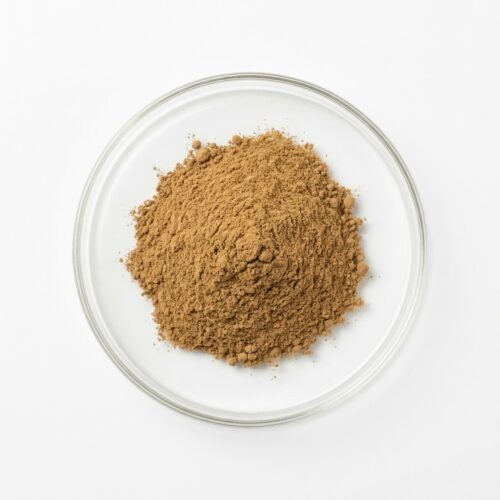
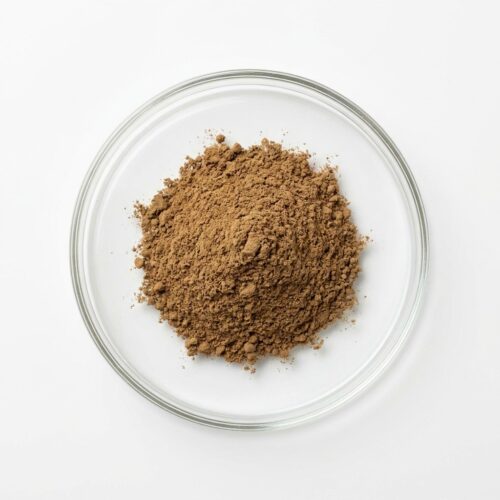
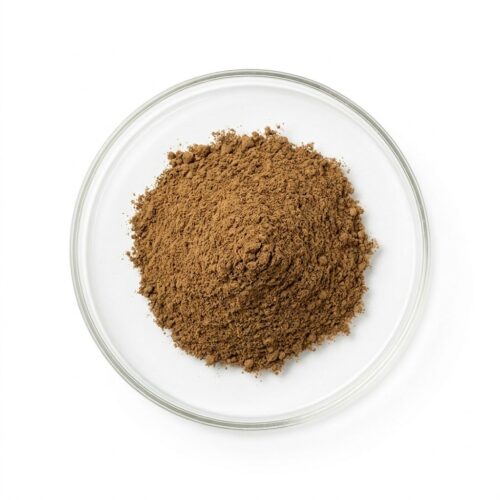
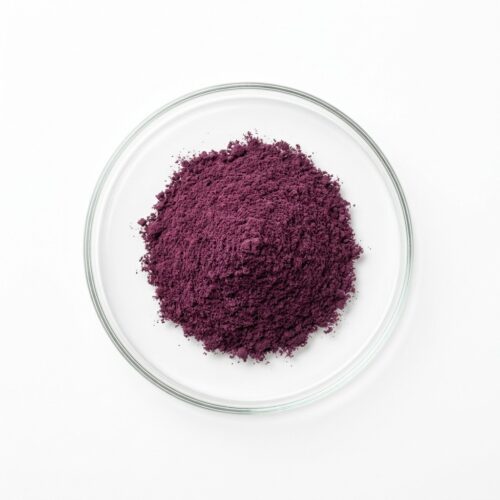
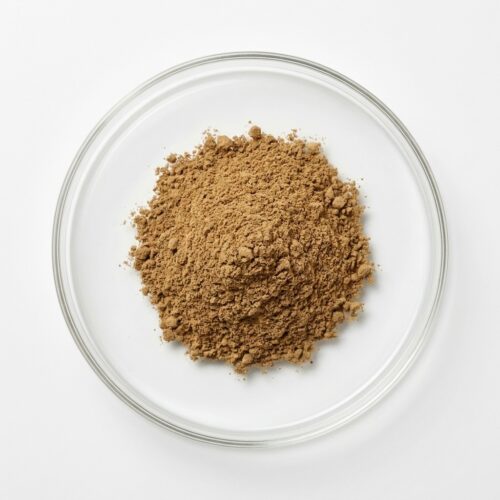
Chondroitin Sulfate is a glycosaminoglycan structural component of cartilage, available in multiple animal-sourced variants to meet different consumer, regulatory, and pricing requirements. Bovine (cattle), porcine (pig), avian (chicken sternum), and shark cartilage sources each carry distinct regulatory and consumer positioning profiles — bovine and avian are the most widely accepted for halal markets, while shark is preferred in certain premium Asian joint health formulations.
Applications:
- Joint health and osteoarthritis management supplement formulations
- Cartilage repair and protection nutraceuticals
- Sports recovery and connective tissue support products
- Combined glucosamine-chondroitin-MSM joint complex formulations
Key Features & Benefits:
- Multiple sourcing options — bovine, porcine, avian, shark
- Reduces cartilage degradation and supports synovial fluid viscosity
- Clinically studied in combination with glucosamine for OA relief
- Halal-certified grades available (bovine and avian sources)
- Available in 90% and 95% purity pharmaceutical grades
Source and Halal status
Chondroitin sulfate is extracted from animal cartilage, so the source decides whether a product can be Halal. Porcine (pig) chondroitin cannot be used in Halal products. Bovine and avian material need a Halal certificate covering slaughter and processing, and bovine material also needs a BSE/TSE statement. Some shark species are protected under CITES, so shark-derived material needs species and trade documentation.
How the assay is measured
The older CPC titration method measures total negatively charged polysaccharides. It cannot tell chondroitin from cheaper polysaccharides, and chondroitin has been adulterated in the past. Enzymatic (chondroitinase) methods with HPLC measure chondroitin specifically. Ask which method the assay uses, and prefer the specific method.
Source changes the molecule
Molecular weight and the pattern of sulfation differ between bovine, porcine, avian and shark chondroitin. Different sources are therefore not identical ingredients, and studies on one cannot automatically be applied to another. It is often formulated with N-Acetyl-D-Glucosamine and Hyaluronic Acid (see our hyaluronic acid & sodium hyaluronate guide).
What the research says
- A 2015 Cochrane review of 43 randomised trials (9,110 participants with osteoarthritis, mostly of the knee) found that chondroitin improved pain more than placebo in studies shorter than 6 months, by about 8 points on a 0–100 scale. The trials were mostly of low quality. [1]
- The benefit became uncertain when the analysis was limited to large trials, trials with proper allocation concealment, or trials without pharmaceutical funding. Chondroitin had a lower risk of serious adverse events than control. [1]
These summaries describe published research on the ingredient. They are not claims for any finished product; claims on finished products must meet the rules of the market where they are sold.
References
- Singh JA, et al. Chondroitin for osteoarthritis. Cochrane Database Syst Rev. 2015;1(1):CD005614. doi:10.1002/14651858.CD005614.pub2
What to ask for on the certificate of analysis
- Animal source and species; Halal certificate (for bovine or avian)
- BSE/TSE statement for bovine; CITES documentation for shark
- Assay by an enzymatic HPLC method (state the method)
- Molecular weight and protein content
- Loss on drying, heavy metals and residue on ignition
- Microbiology: total plate count, yeast and mould, E. coli, Salmonella
- Batch number, manufacture and retest dates