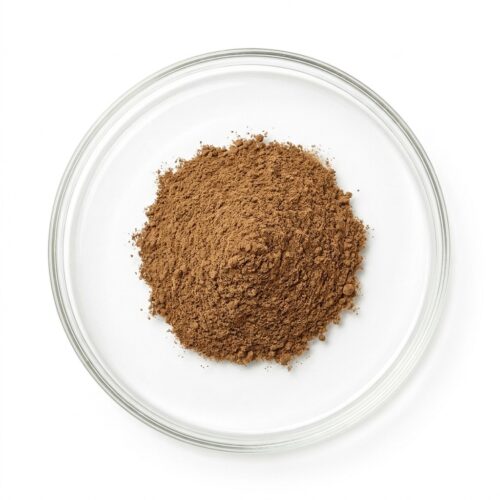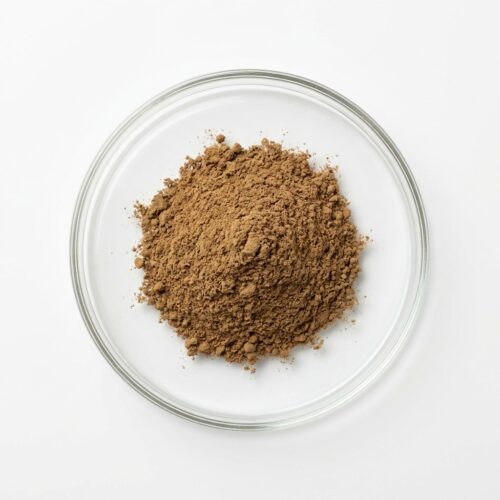
Cordyceps Sinensis Extract 40% is a concentrated extract standardised to 40% polysaccharides from the medicinal fungus Cordyceps sinensis, delivering a significantly higher active content than standard 10:1 extracts. Cordyceps is clinically studied for VO2 max improvement, ATP production enhancement, adaptogenic stress resistance, and respiratory function support — making it the definitive sports and vitality mushroom.
Applications:
- Sports performance and endurance supplement formulations
- Energy and vitality nutraceuticals
- Respiratory health and oxygen utilisation formulations
- Adaptogenic stress relief supplements
Key Features & Benefits:
- 40% polysaccharides — 4x more concentrated than standard 10:1 extract
- Clinically studied for VO2 max and aerobic performance
- Enhances ATP synthesis and oxygen utilisation
- No animal substance – halal-certified
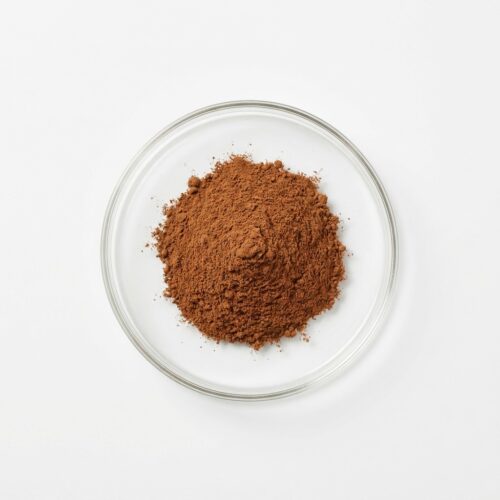
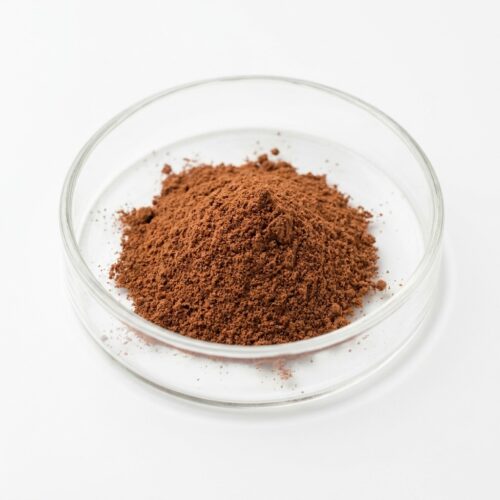
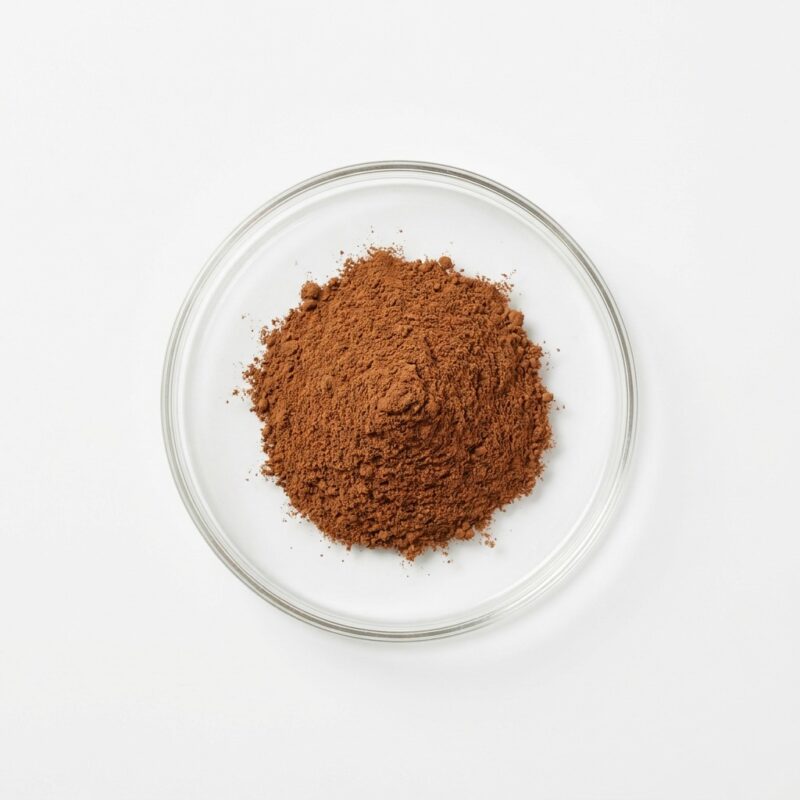
- Fine brown powder, suitable for capsules and functional beverages
Which organism is it?
Wild “Cordyceps sinensis” (now Ophiocordyceps sinensis) is collected on the Tibetan plateau and is very expensive. Commercial extracts sold under this name are almost always made from mycelium of an isolated fungal strain, grown by fermentation. That is a legitimate ingredient, but the supplier should name the strain, confirm its identity (for example by DNA sequencing) and say whether the material is mycelium, mycelium grown on grain, or fruiting body. For a different species, see Cordyceps Extract, and for a branded, documented grade, see Cordyvigor®.
What “40% polysaccharides” can hide
The common colorimetric polysaccharide test (phenol–sulphuric acid) measures almost all carbohydrates, including starch and sugars from the growth medium. Mycelium grown on grain can therefore show a high polysaccharide figure that is mostly starch. Ask for beta-glucan by an enzymatic method, with alpha-glucan (starch) reported separately. A percentage assay and a 10:1 ratio measure different things and cannot be compared directly.
Other markers
Adenosine (by HPLC) is a useful marker for O. sinensis-type material. Cordycepin is characteristic of Cordyceps militaris and is not expected in significant amounts here.
What to ask for on the certificate of analysis
- Species and strain, with an identity method (e.g. DNA sequencing)
- Mycelium, mycelium on substrate, or fruiting body; growth substrate
- Polysaccharides with the method stated
- Beta-glucan (enzymatic) and alpha-glucan reported separately
- Adenosine by HPLC
- Heavy metals, including arsenic; pesticide residues
- Microbiology, Halal certificate, batch number, manufacture and retest dates