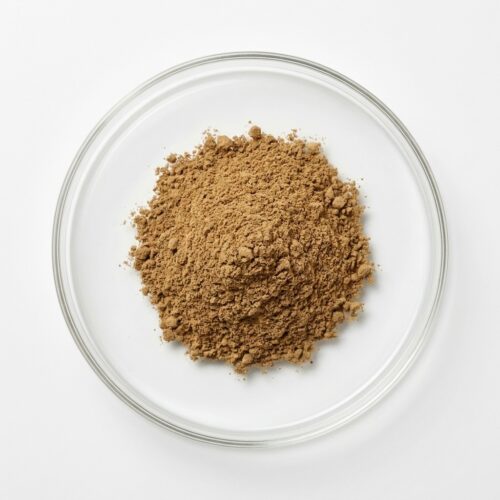
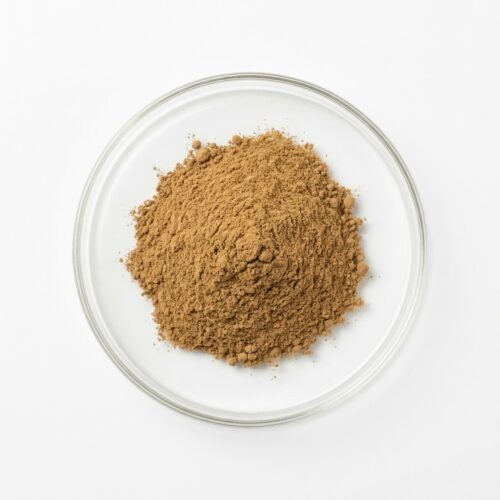
D-Ribose is a naturally occurring pentose sugar and fundamental building block of ATP (adenosine triphosphate), RNA, and NADH. Unlike glucose, ribose bypasses the rate-limiting steps of the pentose phosphate pathway, directly accelerating ATP resynthesis in cardiac and skeletal muscle cells. It is clinically studied for chronic fatigue syndrome, fibromyalgia, congestive heart failure, and post-exercise energy recovery.
Applications:
- Cardiac and cardiovascular energy support formulations
- Chronic fatigue and fibromyalgia supplement formulations
- Sports recovery and ATP replenishment products
- Mitochondrial health and energy metabolism supplements
Key Features & Benefits:
- Direct ATP precursor — bypasses rate-limiting energy synthesis steps
- Clinically studied for cardiac energy recovery and CHF management
- Reduces post-exercise energy depletion and muscle fatigue
- No animal substance – halal-certified
- Sweet taste — suitable for direct consumption or beverage formulations
What D-ribose is
D-ribose is a five-carbon sugar (a pentose, C5H10O5). The body uses it to build ATP, RNA and other molecules, and it makes its own ribose from glucose. Supplement grades are white crystalline powders, usually produced by fermentation. On a nutrition label, D-ribose counts as a carbohydrate and a sugar.
Handling and formulation
D-ribose is very soluble in water and mildly sweet, so it suits drink powders and sachets. It is hygroscopic, so keep packs sealed and control humidity during blending. As a reducing sugar it browns readily with amino acids and proteins (the Maillard reaction), especially with heat; check colour and taste over shelf life in protein or amino acid blends. It is often combined with Coenzyme Q10 or Taurine in energy formulas.
Claims
Claims about heart failure, chronic fatigue syndrome or fibromyalgia are medical claims. Human trials of D-ribose are few and small, and many test it in combination with other ingredients, so keep wording within what your market allows.
What to ask for on the certificate of analysis
- Assay of D-ribose (%) by HPLC, with the method
- Specific optical rotation (confirms the D form)
- Loss on drying, residue on ignition and heavy metals
- Microbiology: total plate count, yeast and mould, E. coli, Salmonella
- Batch number, manufacture and retest dates