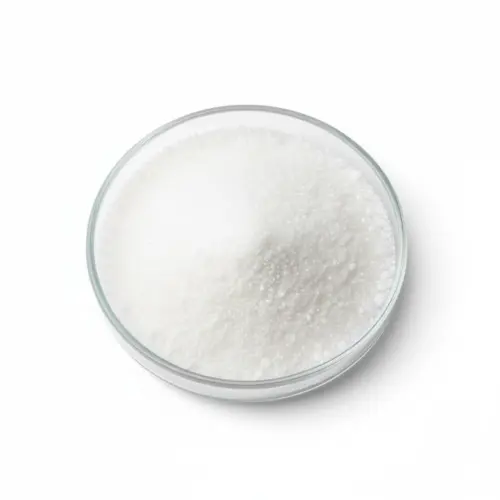
Honey Powder is produced by spray-drying natural honey onto a carrier (typically maltodextrin), converting liquid honey into a free-flowing powder that retains honey’s characteristic flavour, natural sugars, trace enzymes, and antioxidant polyphenols. It provides the functionality and taste of honey in powder-based formulations — supplements, instant beverages, and functional foods — without the handling challenges of liquid honey.
Applications:
- Natural sweetener in supplement and nutraceutical powder formulations
- Instant beverage and functional drink mixes
- Natural honey-flavoured food and confectionery products
- Throat lozenge and oral health supplement formulations
Key Features & Benefits:
- Authentic honey flavour in convenient free-flowing powder form
- Retains honey’s natural antioxidant polyphenols and trace enzymes
- Natural humectant and antimicrobial properties
- Halal-certified — from natural honey sources
- Excellent solubility and dispersibility in powder blends
How much honey is in honey powder
Honey cannot be spray-dried on its own because it is too sticky, so honey powder is honey dried onto a carrier, usually maltodextrin. The honey share varies widely between products and decides the flavour, sweetness and cost. Ask for the honey percentage, declare the carrier on your ingredient list, and check the naming rules in your market before calling a product “honey”.
Quality and authenticity
Honey is a frequent target of adulteration with cheaper sugar syrups. Ask for evidence of authenticity, such as sugar-profile or isotope tests on the source honey. Hydroxymethylfurfural (HMF) shows how much heat the honey has seen. The powder is hygroscopic and cakes quickly; keep it sealed and dry.
Labelling
Honey should not be given to babies under 12 months because of the risk of infant botulism, so products containing honey powder should not be aimed at infants. For other sweet powders see Maltodextrin and Isomaltulose.
What the research says
- A 2025 umbrella review and updated meta-analysis of bee products (69 randomised trials, 3,544 participants) found that about 10 g of honey a day may lower HbA1c but was linked to unfavourable changes in systolic blood pressure, triglycerides, fasting blood sugar, a liver enzyme and an inflammation marker. The authors advise caution with long-term or high-dose honey in people with health concerns. [1]
- These trials used honey itself; honey powder also contains a carrier such as maltodextrin.
These summaries describe published research on the ingredient. They are not claims for any finished product; claims on finished products must meet the rules of the market where they are sold.
References
- Norouzzadeh M, et al. Dosage exploration of the effects of honey and its derivatives on cardiometabolic outcomes: an overview of systematic reviews and GRADE-assessed updated meta-analysis. Nutr Diabetes. 2025;15(1):48. doi:10.1038/s41387-025-00403-9
Halal certification
This ingredient is listed as “Honey Powder HSD 30” on FC Materials’ Halal certificate (Sijil Pengesahan Halal, MS 1500:2019), issued through the Penang Islamic Religious Council (MAINPP) and the Department of Islamic Development Malaysia (JAKIM). Reference JAKIM.700-2/3/1 105-07/2022, valid until 15 October 2028. Ask us for a copy.
What to ask for on the certificate of analysis
- Honey content (%) and carrier declared
- Sugar profile (fructose, glucose, sucrose) and HMF
- Moisture and particle size
- Authenticity evidence for the source honey
- Heavy metals (lead, arsenic, cadmium, mercury)
- Microbiology: total plate count, yeast and mould, E. coli, Salmonella
- Batch number, manufacture and retest dates; compliance with the food additive specification of your market (for example JECFA or the Malaysian Food Regulations)