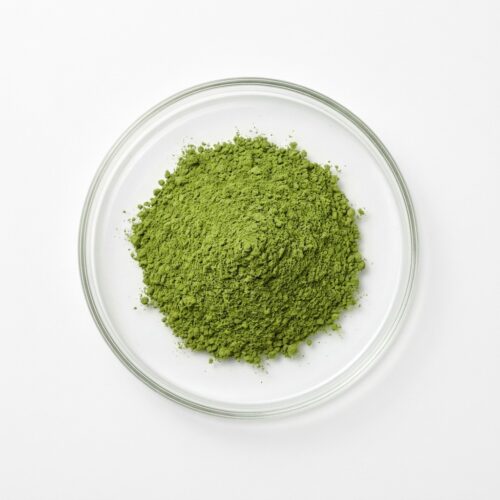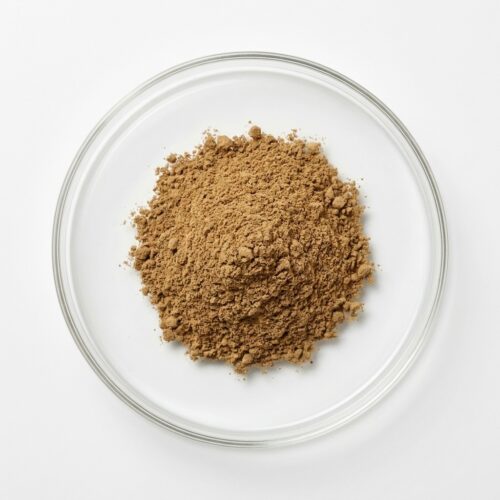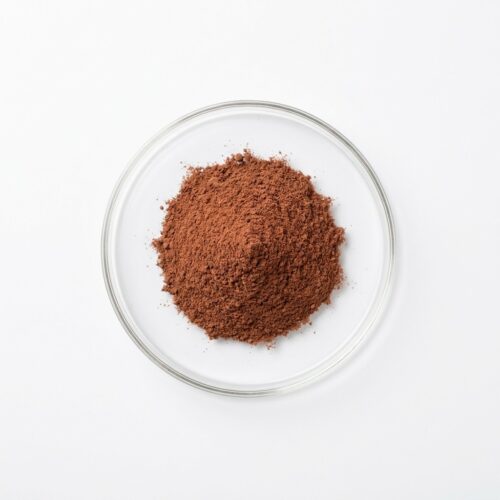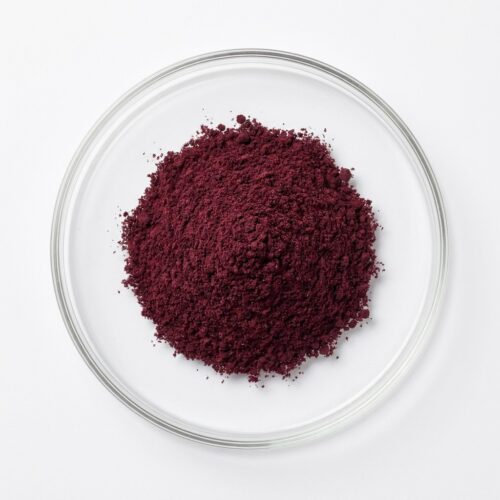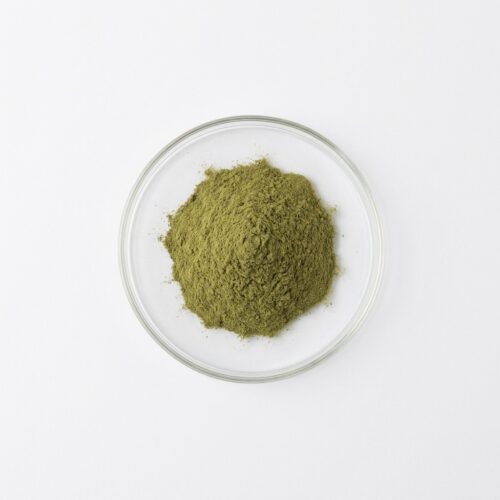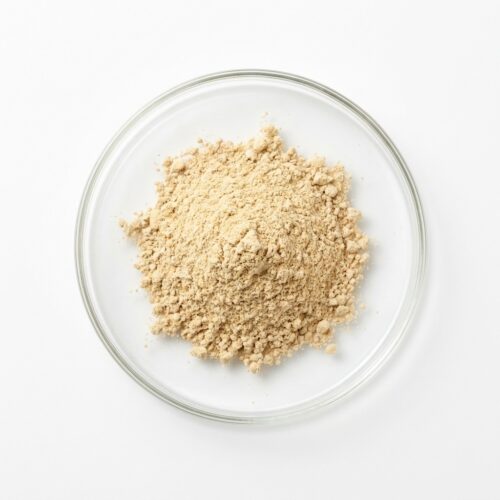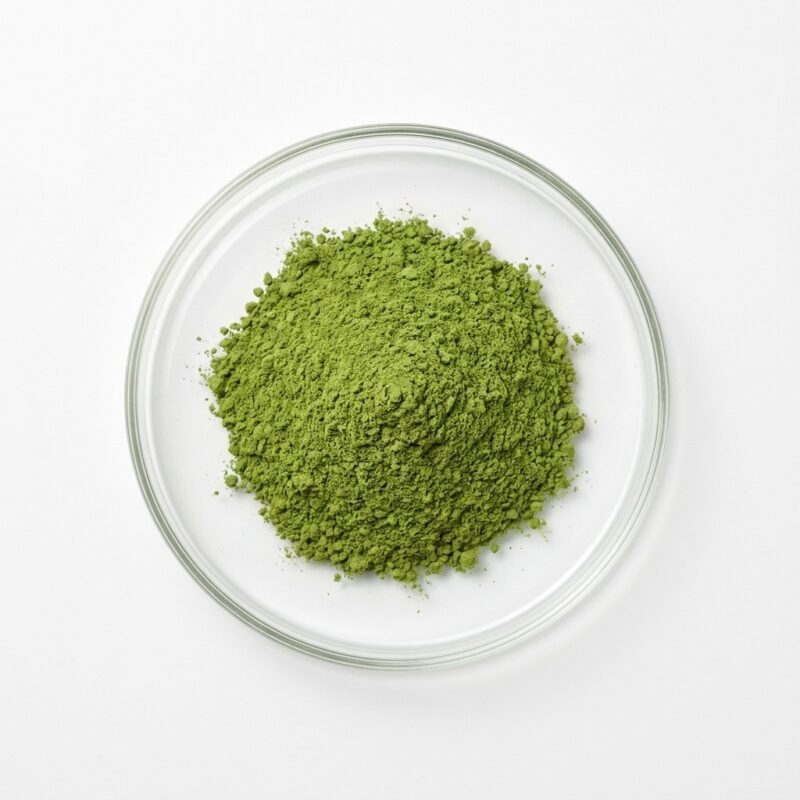
Lemon Balm Extract (Melissa officinalis) is standardised for rosmarinic acid — the primary bioactive responsible for its anxiolytic, cognitive, and antiviral properties. Lemon balm inhibits GABA transaminase, increasing brain GABA levels for natural calming without sedation, and inhibits acetylcholinesterase for cognitive enhancement. It is among the most well-evidenced botanical anxiolytics available.
Applications:
- Stress relief, anxiety, and calming supplement formulations
- Sleep quality and insomnia support products
- Cognitive health and focus supplements
- Digestive comfort and IBS-related anxiety products
Key Features & Benefits:
- GABA transaminase inhibitor — raises GABA naturally
- Acetylcholinesterase inhibitor — supports memory and focus
- Clinically studied for stress, anxiety, and sleep quality
- No animal substance – halal-certified
- Mild pleasant lemony taste — suitable for functional beverages
Rosmarinic acid is the usual marker
Lemon balm (Melissa officinalis) extract is made from the leaf. It is usually standardised to rosmarinic acid, a caffeic acid ester, measured by HPLC. Hydroxycinnamic acids as a group can also be measured by UV, which gives a higher number than rosmarinic acid alone, so ask which method the specification uses.
Water extract or hydroalcoholic extract
The lemony aroma comes from an essential oil rich in citral and citronellal. Most of it is lost when the leaf is dried and extracted, so a dry extract tastes mildly herbal rather than strongly of lemon. Water and water–ethanol extracts carry different profiles, and published studies have used different extracts and doses, so record which type you are buying.
Formulation notes
Lemon balm extract is used in capsules, teas, drink powders and calming blends, often with L-Theanine. In liquid products, check colour and rosmarinic acid content during stability testing.
What the research says
- A 2021 meta-analysis of randomised clinical trials found that lemon balm improved anxiety scores (SMD −0.98) and depression scores (SMD −0.47) compared with placebo, without serious side effects, with the clearest effect in acute settings. The authors caution that trials were few, used different methods and gave widely varying results, and that higher-quality studies are needed. [1]
These summaries describe published research on the ingredient. They are not claims for any finished product; claims on finished products must meet the rules of the market where they are sold.
References
- Ghazizadeh J, et al. The effects of lemon balm (Melissa officinalis L.) on depression and anxiety in clinical trials: a systematic review and meta-analysis. Phytother Res. 2021;35(12):6690-6705. doi:10.1002/ptr.7252
What to ask for on the certificate of analysis
- Botanical name and plant part (Melissa officinalis leaf)
- Rosmarinic acid content by HPLC (or hydroxycinnamic acids by UV, with the method stated)
- Extraction solvent (water or water–ethanol) and carrier with its percentage
- Identity test (TLC or HPLC fingerprint)
- Loss on drying, heavy metals (lead, arsenic, cadmium, mercury) and pesticide residues
- Microbiology: total plate count, yeast and mould, E. coli, Salmonella
- Batch number, manufacture and retest dates