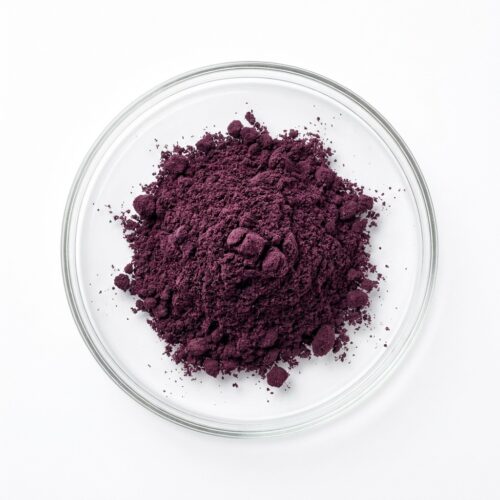
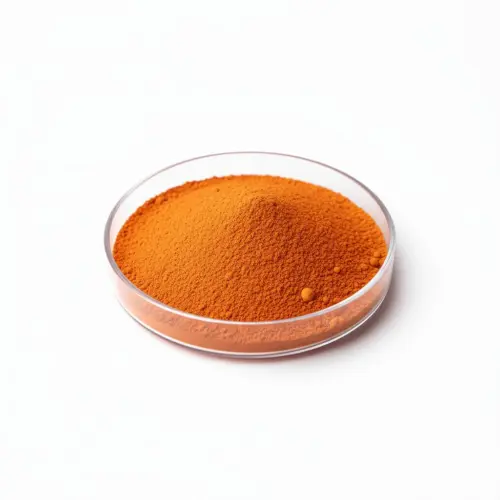
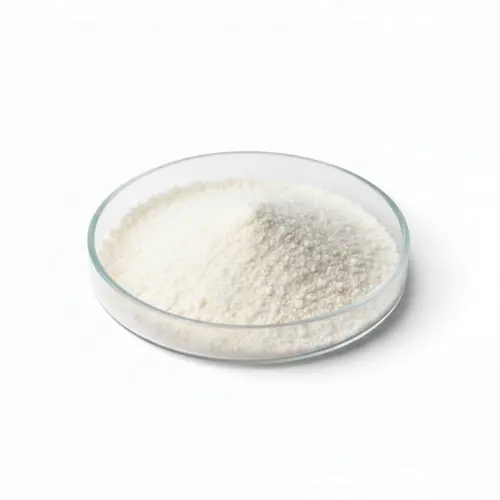
Malt Extract is produced from sprouted (malted) barley by enzymatic conversion of starches to fermentable sugars — primarily maltose, dextrose, and maltotriose — yielding a concentrated, naturally sweet syrup or powder rich in B-vitamins, amino acids, and minerals. It functions as a natural sweetener, flavour enhancer, fermentation substrate, and nutritional supplement base with a characteristic rich malty taste.
Applications:
- Natural malt flavouring and sweetener in beverages and food
- Nutritional supplement base for children’s and senior formulations
- Fermentation substrate in brewing and baking
- Energy drink and sports nutrition natural carbohydrate source
Key Features & Benefits:
- Natural B-vitamin complex — thiamine, riboflavin, niacin, B6
- Rich distinctive malt flavour — no artificial flavour needed
- Readily fermentable carbohydrates for sustained energy
- No animal substance – halal-certified
- Available in liquid syrup and spray-dried powder forms
Diastatic or non-diastatic
Malt extract is made by mashing malted barley in hot water and concentrating the sweet liquid (wort) into a syrup or drying it to a powder. The key specification is enzyme activity: diastatic malt extract keeps active amylase enzymes that break down starch, which helps yeast in bread doughs, while non-diastatic extract has been heat-treated and is used for flavour, colour and sweetness. Make sure you order the right type.
Colour, flavour and sugars
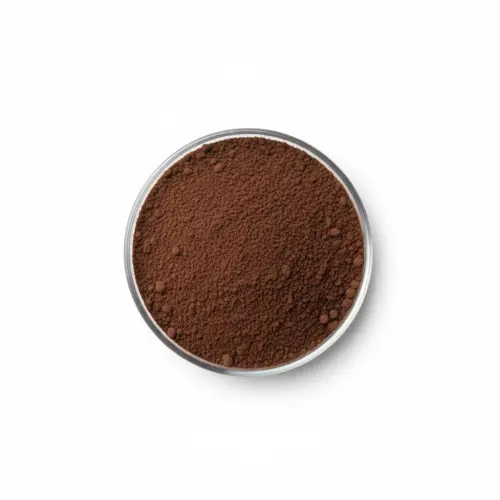
Malt extracts range from light to dark, measured in EBC colour units. Darker grades taste more roasted. The main sugar is maltose, and malt extract browns readily in baking. It is commonly used in malted milk drinks, breakfast cereals, bakery and confectionery, often alongside Cocoa Powder or Maltodextrin.
Gluten labelling
Malt extract is made from barley and contains gluten, so it must be declared as a cereal containing gluten and is not suitable for gluten-free products. It is not fermented, but ask the supplier to confirm that the halal certificate covers the plant and process.
What to ask for on the certificate of analysis
- Diastatic power (enzyme activity), or confirmation that the grade is non-diastatic
- Colour (EBC), moisture or dry solids, and maltose or reducing sugars
- pH, protein and ash
- Heavy metals (lead, arsenic, cadmium, mercury)
- Microbiology: total plate count, yeast and mould, E. coli, Salmonella
- Batch number, manufacture and retest dates; compliance with the food additive specification of your market (for example JECFA or the Malaysian Food Regulations)