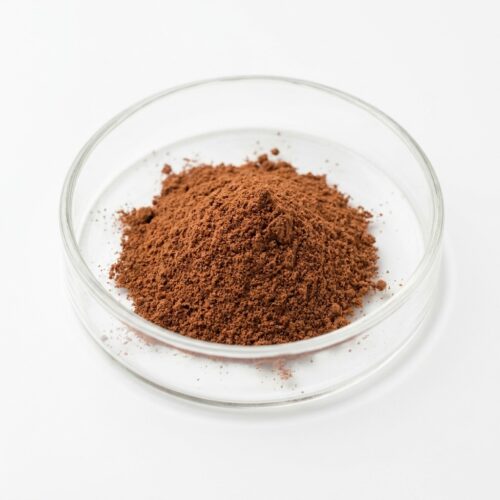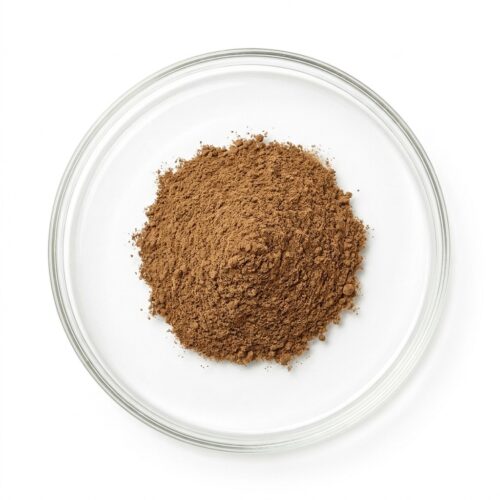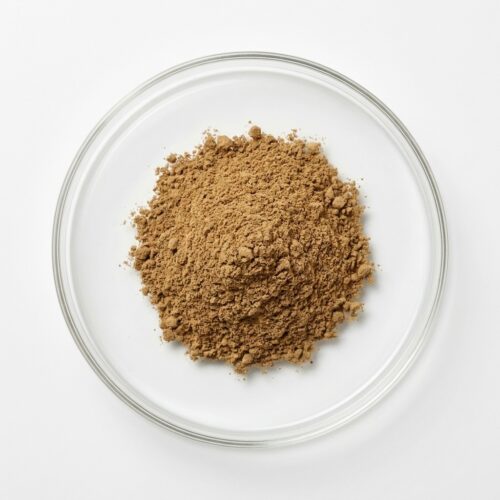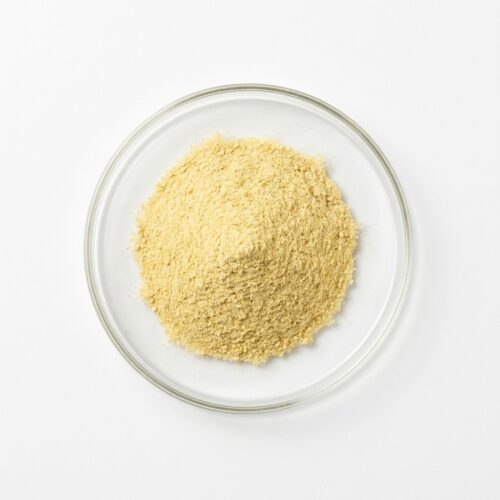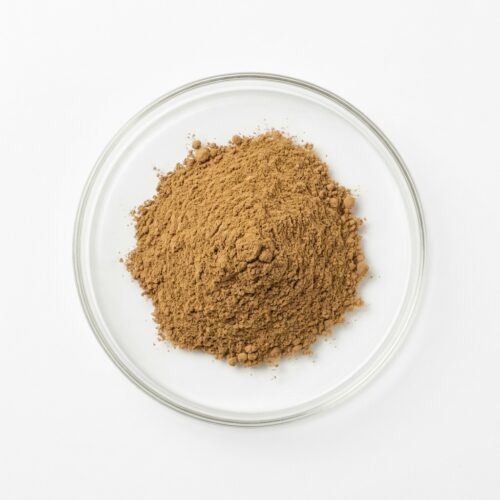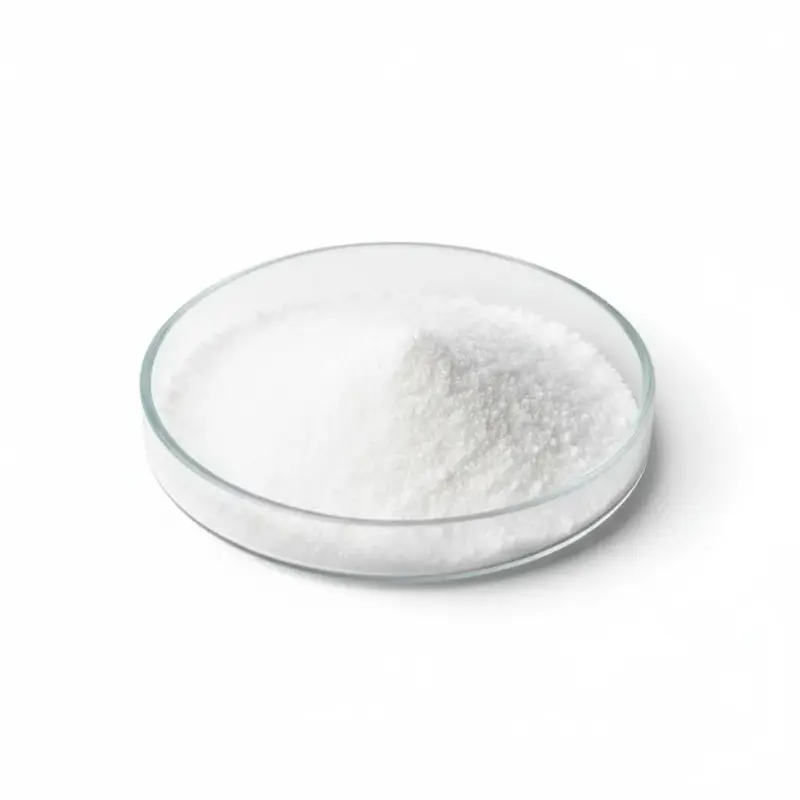
Melatonin is the primary chronobiotic hormone secreted by the pineal gland that regulates the circadian rhythm and sleep-wake cycle. As a supplement it is the most clinically studied natural sleep ingredient, with robust evidence for jet lag correction, shift work sleep disorder, insomnia onset reduction, and chronobiotic resynchronisation. It is also a potent antioxidant that accumulates in the mitochondria, offering cytoprotective effects beyond its sleep-regulating role.
Applications:
- Sleep onset and insomnia management supplement formulations
- Jet lag and circadian rhythm resynchronisation products
- Shift work sleep disorder management supplements
- Antioxidant and mitochondrial protection formulations
Key Features & Benefits:
- Most clinically studied natural sleep ingredient — hundreds of RCTs
- Reduces sleep onset latency and improves sleep architecture
- Potent mitochondrial antioxidant — cytoprotective beyond sleep
- No animal substance – halal-certified
- Effective at low doses (0.5–3mg) — no morning grogginess
Regulatory status comes first
Melatonin is classified differently from market to market. In the United States it is sold as a dietary supplement, while many other countries regulate it as a medicine. In Malaysia, product classification is decided by NPRA, and melatonin products are generally assessed as medicines rather than as food or traditional products. Confirm the classification for each market before formulating, and keep product claims within what that classification allows.
Synthetic, not extracted
Supplement- and pharmaceutical-grade melatonin (N-acetyl-5-methoxytryptamine) is made by chemical synthesis. Plant melatonin (phytomelatonin) exists, but plants contain very little, so a “natural” claim needs supporting documents from the manufacturer. Ask for a statement of the synthesis route, because it decides which impurities need testing.
Purity and impurities
Buy against a pharmacopoeial specification, such as the USP monograph, with related substances measured by HPLC. Because melatonin is dosed in milligrams, the individual and total impurity results matter as much as the headline assay.
Dosing in milligrams
At typical doses a tablet holds very little active in a lot of excipient, so content uniformity is the main manufacturing risk. A fine, consistent particle size, a premix or trituration step and uniformity testing of the finished batch are standard practice. Melatonin is sensitive to light; protect it in storage and in the finished pack. For calm-and-focus blends that are not sleep products, see L-Theanine.
What to ask for on the certificate of analysis
- The pharmacopoeia or specification the batch conforms to (e.g. USP)
- Identity (IR) and assay by HPLC
- Related substances by HPLC: each named impurity and the total
- Loss on drying and residue on ignition
- Residual solvents from the synthesis
- Heavy metals and particle size distribution
- Microbiology, Halal certificate, batch number, manufacture and retest dates