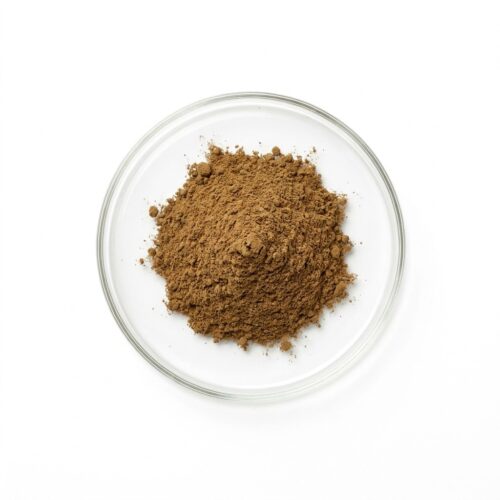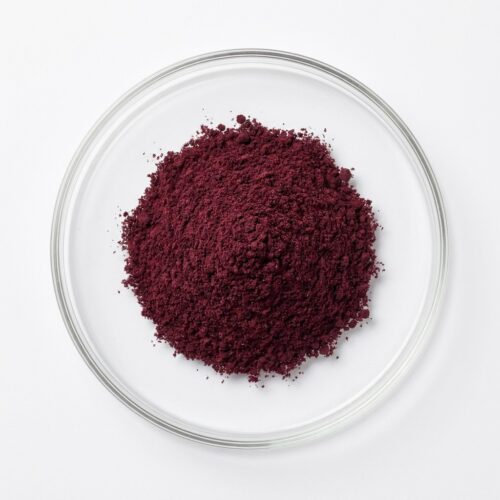
Red Yeast Rice Extract 5% is standardised to 5% total monacolins from Monascus purpureus fermented rice. Monacolin K — chemically identical to lovastatin — inhibits HMG-CoA reductase, reducing cholesterol synthesis. Red yeast rice is the most clinically studied natural cholesterol-lowering ingredient and is widely used as a food supplement alternative to pharmaceutical statins in markets where regulatory constraints apply.
Applications:
- Natural cholesterol management supplement formulations
- Cardiovascular health and lipid profile support products
- Metabolic syndrome and statin-intolerant patient formulations
- Functional food and nutraceutical cardiovascular blends
Key Features & Benefits:
- 5% monacolins — standardised for consistent statin-equivalent activity
- Monacolin K — natural HMG-CoA reductase inhibitor
- Clinically studied for LDL-C reduction up to 20–30%
- No animal substance – halal-certified
- Often combined with CoQ10 to offset statin-related CoQ10 depletion
Regulatory status comes first
Red yeast rice is rice fermented with the mould Monascus purpureus. Its main monacolin, monacolin K, is chemically identical to lovastatin, a prescription cholesterol medicine. Because of this, regulators treat red yeast rice products very differently from market to market. Some restrict the amount of monacolins allowed per daily dose, some require warnings, and some regulate high-monacolin products as medicines. Confirm the classification with NPRA, and with the authority in each export market, before formulating or making any claim.
What “5% monacolins” means
Monacolins exist in two forms: the lactone (monacolin K) and the open hydroxy-acid form. Some specifications report only monacolin K, some report total monacolins. Ask which figure the 5% refers to, and for the HPLC method. The daily monacolin dose of a finished product depends on this figure, so it must be exact.
Citrinin
Monascus fermentation can produce citrinin, a mycotoxin that is toxic to the kidneys. Citrinin is the most important safety test for red yeast rice. Some markets set legal limits for it in red yeast rice supplements. Every batch should be tested, and strains and processes that suppress citrinin are preferred.
Formulation
Red yeast rice is often paired with Coenzyme Q10. Brands should take advice on interactions and contraindications, because the active compound behaves like a statin.
What to ask for on the certificate of analysis
- Organism (Monascus purpureus) and substrate (rice)
- Monacolin K and total monacolins by HPLC, stating lactone and acid forms
- Citrinin, with the method and detection limit
- Aflatoxins and heavy metals
- Microbiology: total plate count, yeast and mould, E. coli, Salmonella
- Carrier (if any), Halal certificate, batch number, manufacture and retest dates