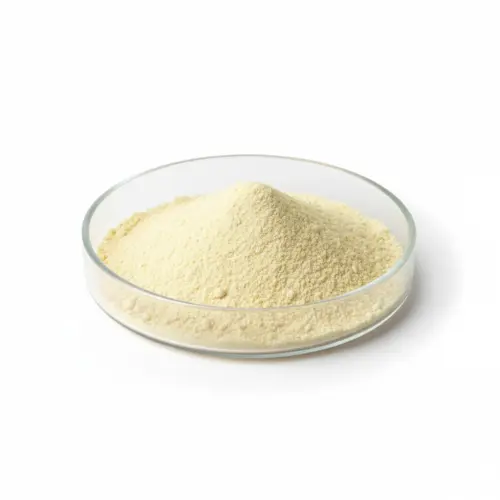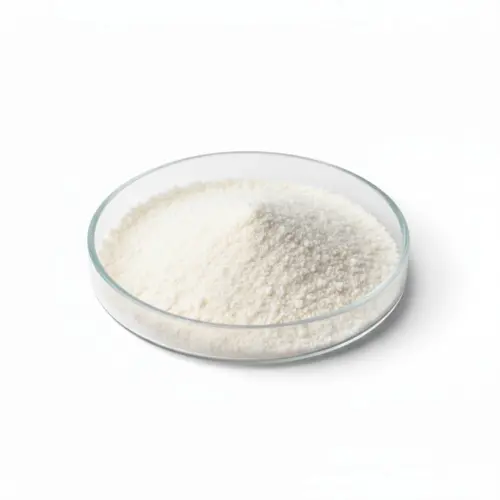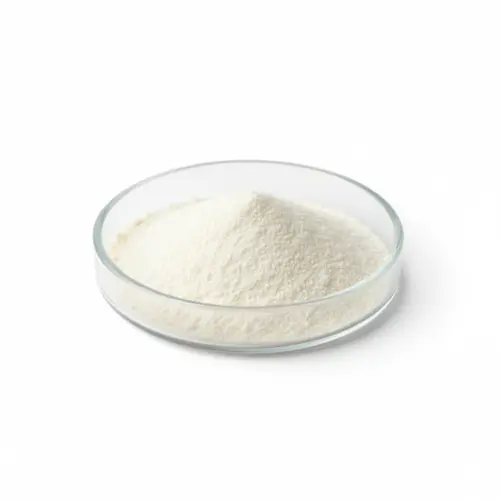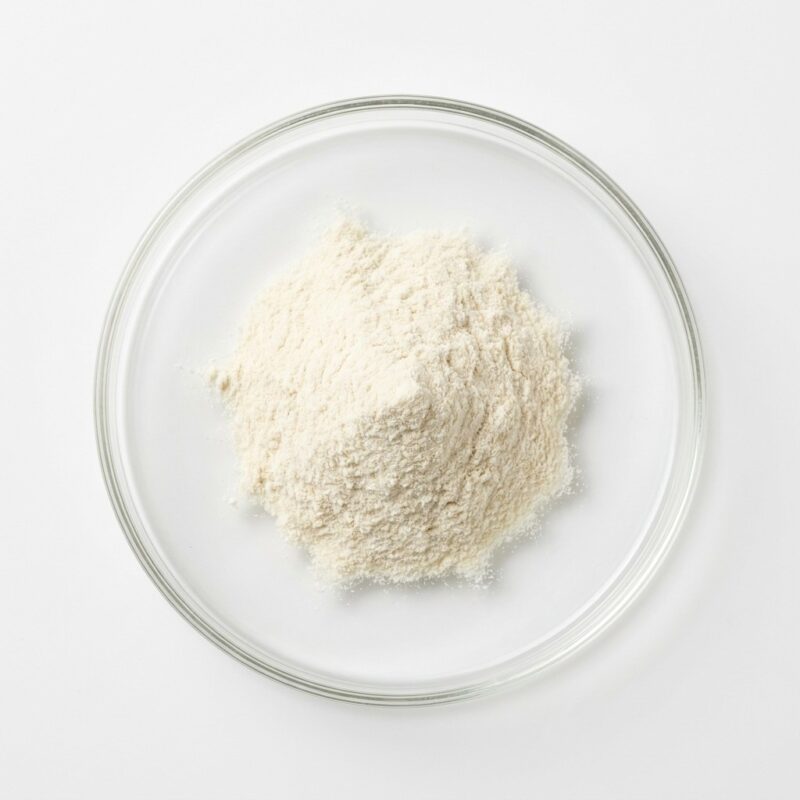
Satiagel MM-50 is a refined carrageenan-based gelling and stabilising agent derived from red seaweed (Rhodophyta). This Halal-certified ingredient is a standardised commercial grade designed for consistent gelling performance in dairy and aqueous food systems. Carrageenan is widely used in the food industry for its ability to form firm, elastic gels and stabilise protein-containing systems.
The MM-50 specification provides a balanced iota/kappa carrageenan blend optimised for dairy applications where smooth, elastic gel texture and protein stabilisation are required.
Applications:
- Dairy Desserts (milk jellies, panna cotta, chocolate puddings, flan)
- Beverages (dairy-based drinks, chocolate milk, UHT beverages)
- Processed Meat (binder and texture modifier)
- Confectionery (gummy candies, soft gels, water dessert cups)
Key Features & Benefits:
- Consistent gelling and stabilising performance
- Effective protein stabilisation in dairy systems
- Firm elastic gel texture at low usage rates
- Heat reversible gel for processing flexibility
- Halal-certified & food-grade quality
Kappa, iota and lambda
Carrageenan is a family, not a single ingredient. Kappa carrageenan forms firm, brittle gels with potassium. Iota forms soft, elastic gels with calcium. Lambda does not gel and is used as a thickener. Commercial grades such as Satiagel MM-50 are blends designed for a specific job — here, an iota/kappa balance for dairy — so compare grades by application and test results rather than by the word “carrageenan”.
Refined carrageenan or PES
Carrageenan is extracted from red seaweeds such as Kappaphycus and Eucheuma, which are farmed in Southeast Asia, including Sabah. Refined carrageenan (E407) is extracted and purified. Processed Eucheuma seaweed (PES, E407a) retains more of the seaweed’s cellulose and gives cloudier gels. The two carry different additive numbers and label names, so confirm which one a quotation refers to.
Formulation notes
Kappa-rich grades need heat to dissolve fully, and gel on cooling. In milk, carrageenan interacts with casein, which is why very low levels can stabilise dairy drinks and desserts. Carrageenan is broken down by prolonged heat at low pH, so add it after acidification where possible, or keep the hot-acid stage short. Many grades are standardised with sugars or salts to give consistent gel strength, and those standardising agents belong on your label.
What to ask for on the certificate of analysis
- Carrageenan type (kappa, iota, blend) and whether it is refined carrageenan or PES.
- Gel strength or viscosity, with the test conditions.
- Standardising agents and their level.
- Moisture, sulphate content and acid-insoluble matter.
- Heavy metals and microbiological profile.
Related ingredients
Other texturisers often used with or instead of carrageenan: Xanthan Gum and Guar Gum.