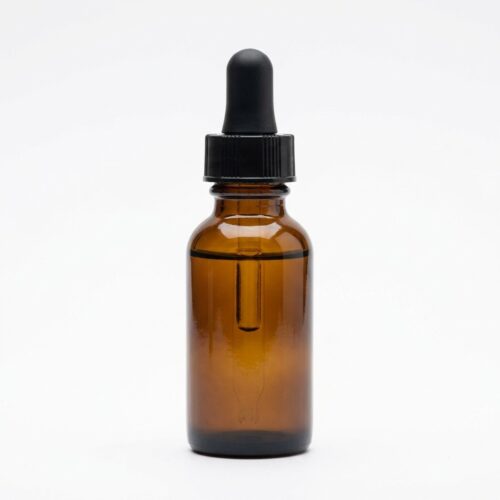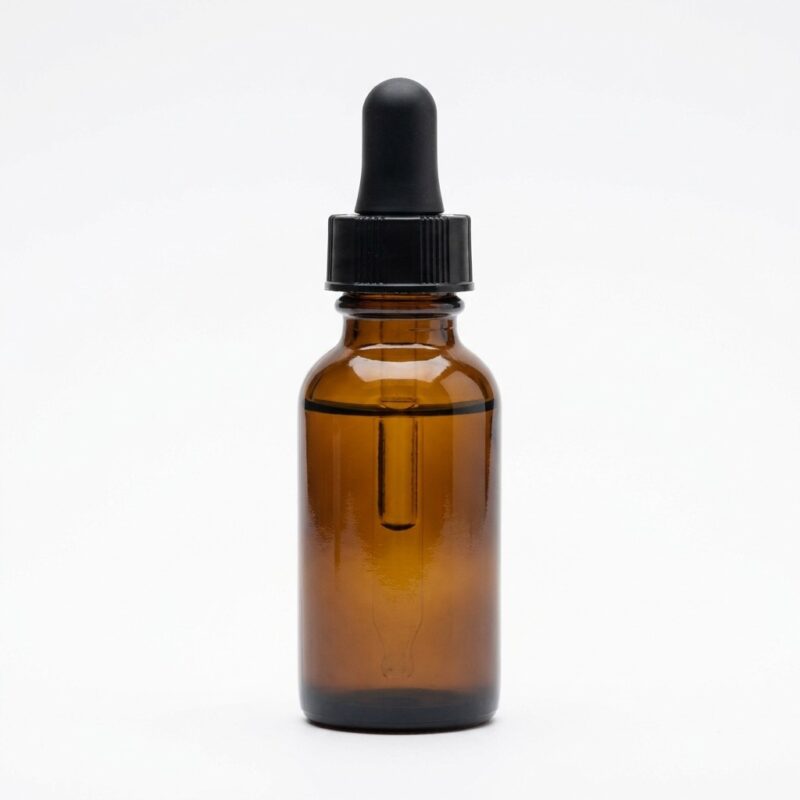
Star Anise Essential Oil is a therapeutic-grade oil steam-distilled from the dried fruits of Illicium verum (star anise), presenting as almost colourless. Rich in trans-anethole (80–90%), Star Anise Oil delivers the same characteristic intensely sweet, warm, licorice-anise aroma as anise seed oil but from a distinctly different botanical source — a traditional spice of Southeast Asian and Chinese cuisines with deep cultural familiarity in Malaysia, China, and across ASEAN. Its antimicrobial, antiviral, and digestive properties are well-established in both traditional medicine and modern research.
Applications:
- Food & Flavouring (star anise flavoured foods, beverages, traditional Chinese five-spice flavouring)
- Aromatherapy (digestive support, warming, and stimulating diffuser blends)
- Oral Care (anise-flavoured toothpastes, mouthwashes, breath fresheners)
- Fine Fragrance (sweet anise note in oriental and gourmand fragrance compositions)
Key Features & Benefits:
- Almost colourless – authentic therapeutic-grade star anise oil
- No animal substance – suitable for vegan and Halal-compliant formulations
- High trans-anethole for antimicrobial and digestive support properties
- Deep Southeast Asian and Chinese culinary and cultural heritage
- Sweet licorice-anise character for food, fragrance, and oral care applications
Identity: Chinese versus Japanese star anise
True star anise is Illicium verum. A related species, Japanese star anise (Illicium anisatum), looks very similar but contains anisatin and other neurotoxic compounds, and has been found as a contaminant of star anise spice. For the oil, the species must be stated on the specification and the supplier should be able to confirm botanical identity. Star anise oil is also distinct from aniseed oil (Pimpinella anisum): both are trans-anethole-led, but star anise oil typically contains foeniculin, which aniseed oil lacks, so the two can be told apart analytically.
Estragole and cis-anethole
Like fennel, star anise oil contains estragole (methyl chavicol), which EU flavouring rules do not allow to be added as such and which is limited in certain foods, so its level matters for flavour and oral-care use. Exposure to light and air converts some trans-anethole to cis-anethole and anisaldehyde, changing odour and safety profile; store sealed and dark. See Fennel Oil and Anethole Oil for the related materials.
Crystallisation
Because trans-anethole melts close to room temperature, star anise oil can solidify in cool storage. Warm gently and mix before sampling or dispensing.
What to ask for on the certificate of analysis
- Species (Illicium verum) and plant part (fruit)
- GC profile with trans-anethole, cis-anethole, estragole and anisaldehyde quantified
- Congealing point, relative density, refractive index and optical rotation
- Declarable fragrance allergens and a current IFRA certificate
- Food or cosmetic grade, matching the end use
- Country of origin and batch number