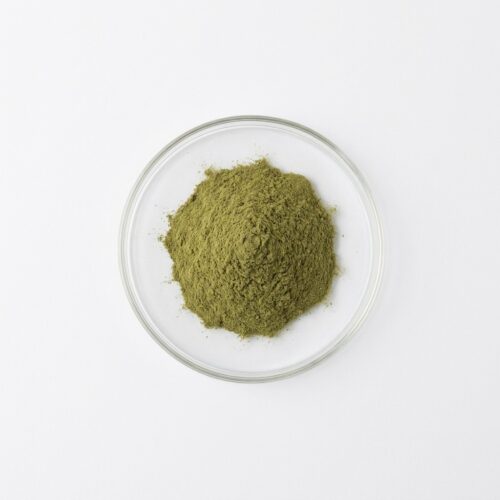
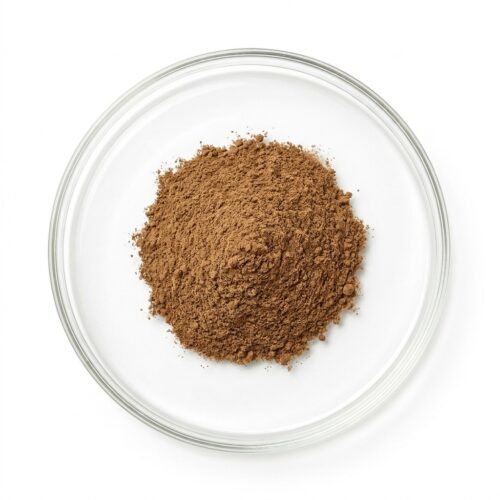
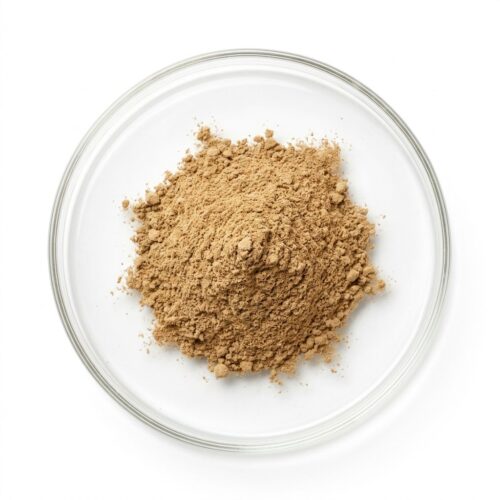
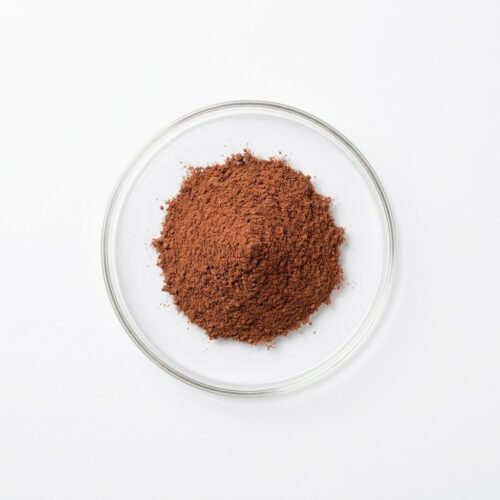
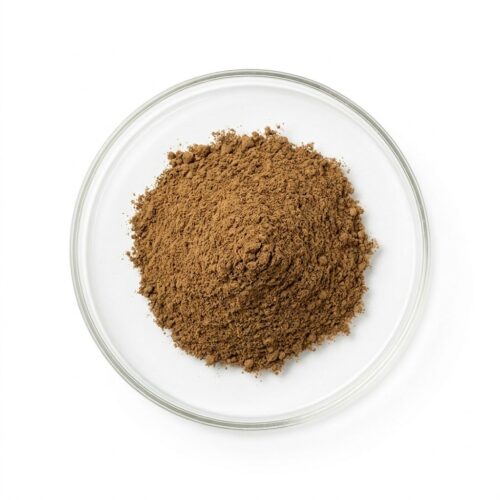
Wild Yam (Dioscorea villosa) extract is standardised for diosgenin — a steroidal saponin that serves as the primary natural precursor for commercial synthesis of progesterone, DHEA, and other steroid hormones. As a supplement, wild yam is widely used in women’s health formulations for menopausal symptom relief, hormonal balance, and PMS management. It is also used as a natural starting material in pharmaceutical steroid synthesis.
Applications:
- Menopausal symptom relief and hormonal balance formulations
- PMS and women’s cycle support supplements
- Natural progesterone precursor cream formulations
- Anti-inflammatory and antispasmodic supplement products
Key Features & Benefits:
- Diosgenin — pharmaceutical precursor to progesterone and DHEA
- Phytoprogestogenic activity for menopausal and PMS relief
- Anti-inflammatory and antispasmodic properties
- No animal substance – halal-certified
- Available in 6%, 10%, 16% diosgenin standardised extracts
Diosgenin is a starting material, not a hormone
Diosgenin is a steroidal sapogenin. In the plant it occurs mostly bound to sugars as saponins such as dioscin, and it is released by acid hydrolysis. Industry converts diosgenin into progesterone and other steroids through several chemical steps in a laboratory. The human body does not carry out this conversion, so a diosgenin extract is not a source of progesterone. Keep this distinction in mind when writing product copy.
Ask how diosgenin is measured
A “diosgenin %” figure may mean free diosgenin, or total diosgenin after hydrolysis of the saponins. The two numbers can differ widely. Ask which one the COA reports and by which method (HPLC or gravimetric). Also ask for the species: several Dioscorea species are used commercially, and their saponin profiles differ.
Formulation notes
Saponin-rich extracts taste bitter and can foam in liquids. In women’s health blends, wild yam is often positioned alongside Sage Extract or Pueraria Lobata Extract. Check the rules of your market on hormone-related wording.
What to ask for on the certificate of analysis
- Botanical name and plant part (Dioscorea species, root or rhizome)
- Diosgenin content with the method (free, or total after hydrolysis), by HPLC or gravimetric
- Extraction solvent and carrier with its percentage
- Identity test (TLC or HPLC fingerprint)
- Loss on drying, heavy metals (lead, arsenic, cadmium, mercury) and pesticide residues
- Microbiology: total plate count, yeast and mould, E. coli, Salmonella
- Batch number, manufacture and retest dates