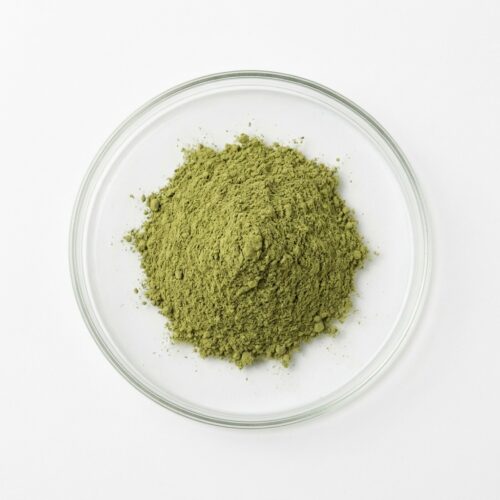
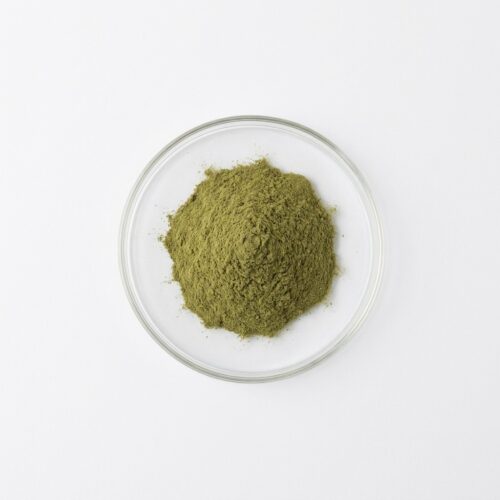
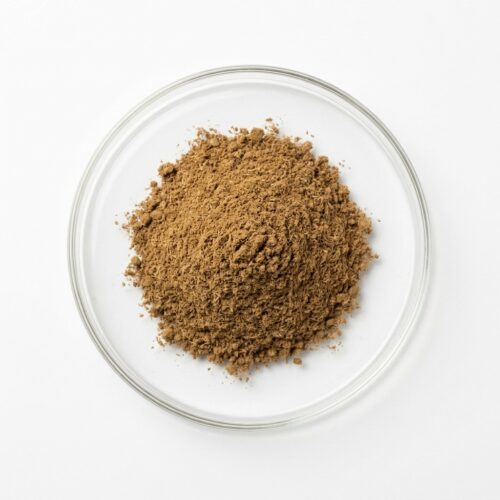
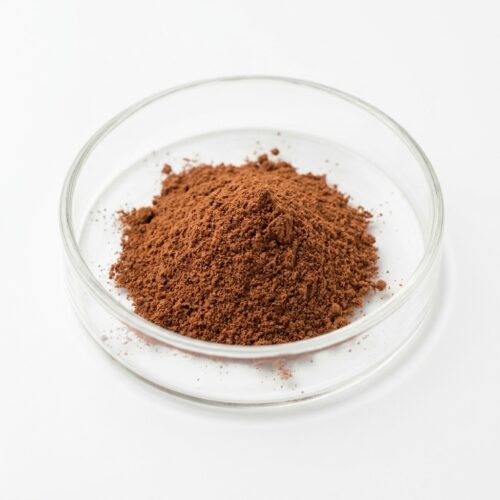
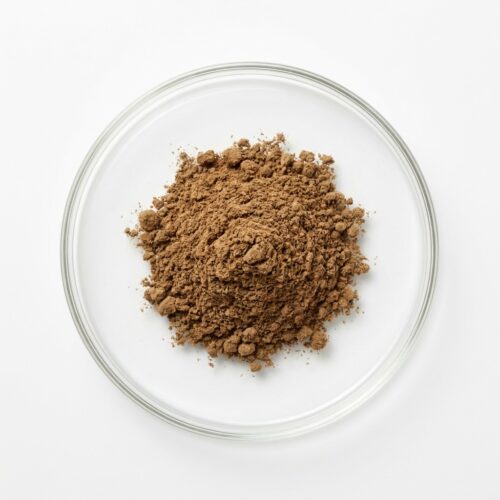
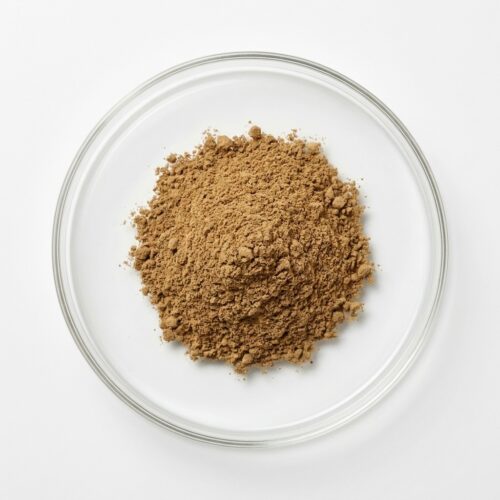
Zinc Citrate is a highly bioavailable organic zinc salt providing approximately 31% elemental zinc. Compared to zinc oxide and zinc sulfate, zinc citrate offers superior absorption, better gastrointestinal tolerability, and a neutral taste — making it ideal for chewable tablets, effervescent formulations, and lozenges where zinc sulfate’s metallic taste is unacceptable.
Applications:
- Immune health and zinc deficiency supplement formulations
- Chewable tablets, lozenges, and effervescent zinc products
- Oral health and gum care formulations (anti-plaque)
- Men’s health and testosterone support supplements
Key Features & Benefits:
- Superior bioavailability vs zinc oxide and zinc sulfate
- Excellent GI tolerability — minimal nausea at therapeutic doses
- Neutral taste — suitable for chewables, lozenges, and gummies
- No animal substance – suitable for halal and vegan formulations
- 31% elemental zinc — efficient dosage in formulations
Zinc content and hydrate form
Zinc citrate is usually supplied as trizinc dicitrate dihydrate. Zinc makes up about 32% of the dihydrate by molecular weight, and a little more of the anhydrous form, so grades sold at around 31% elemental zinc are consistent with the dihydrate. Always dose on the elemental zinc assay on the certificate, not on the weight of the salt.
How it compares with other zinc forms
Zinc citrate is only slightly soluble in water, has a milder taste than zinc sulfate and is widely used in tablets, chewables and toothpaste. Human studies comparing absorption between zinc salts are few and small. Claims such as “superior bioavailability” or effects on testosterone need evidence that meets the rules of your market. See also Zinc Picolinate.
Formulation notes
Long-term high zinc intake can lower copper status, so check upper limits in your market and consider pairing with copper. Zinc citrate is often combined with ascorbic acid (vitamin C) in immune formulas.
What the research says
- A 2024 Cochrane review of 34 randomised trials (8,526 participants) found that zinc probably makes little or no difference to the chance of catching a cold (low-certainty evidence). For people who already had a cold, zinc may shorten it by about 2.4 days, but results varied widely between trials and the certainty is low. Non-serious side effects were more common with zinc (moderate certainty). [1]
- Most trials in the review used zinc gluconate or zinc acetate lozenges. The review does not report separate results for zinc citrate, so these findings cannot be assumed to apply to it. [1]
These summaries describe published research on the ingredient. They are not claims for any finished product; claims on finished products must meet the rules of the market where they are sold.
References
- Nault D, et al. Zinc for prevention and treatment of the common cold. Cochrane Database Syst Rev. 2024;5(5):CD014914. doi:10.1002/14651858.CD014914.pub2
What to ask for on the certificate of analysis
- Assay of zinc citrate and of elemental zinc (%), with the test method
- Identity test (zinc and citrate)
- Loss on drying (confirms the hydrate form)
- Heavy metals (lead, arsenic, cadmium, mercury)
- Microbiology: total plate count, yeast and mould, E. coli, Salmonella
- Batch number, manufacture and retest dates