Zinc Picolinate is a chelated zinc form where zinc is bound to picolinic acid — a naturally occurring metabolite of tryptophan. This chelation significantly enhances intestinal absorption versus inorganic zinc salts. It is considered the most bioavailable form of zinc, making it the preferred choice for therapeutic zinc supplementation targeting immune deficiency, skin conditions, and hormonal health.
Applications:
- Premium immune health and zinc deficiency formulations
- Skin health (acne, wound healing, dermatitis) supplements
- Male hormone health and fertility formulations
- High-bioavailability zinc capsule and tablet products
Key Features & Benefits:
- Most bioavailable form of zinc — picolinic acid chelation
- Superior absorption at lower doses vs inorganic zinc
- Clinically studied for acne, immune function, and testosterone
- No animal substance – suitable for halal and vegan formulations
- 20% elemental zinc — highly concentrated premium form
What zinc picolinate is
Zinc picolinate is a zinc salt of picolinic acid (pyridine-2-carboxylic acid), with two picolinate groups for each zinc ion. In the anhydrous form, zinc makes up about 21% of the molecular weight, so a grade sold as 20% elemental zinc is close to the theoretical figure. Some grades are hydrates and contain less zinc, so always calculate the dose from the elemental zinc assay on the certificate, not from the weight of the compound.
Comparing zinc forms
Zinc is offered as many salts, including picolinate, zinc citrate, gluconate, bisglycinate, acetate, sulfate and oxide. They differ in zinc content, solubility, taste and price. Human studies that compare absorption between salts are few and small, and they do not show a single “most bioavailable” form in every setting. Claims such as “most bioavailable” or effects on testosterone need evidence that meets the rules of your market before they appear on a label.
Formulation notes
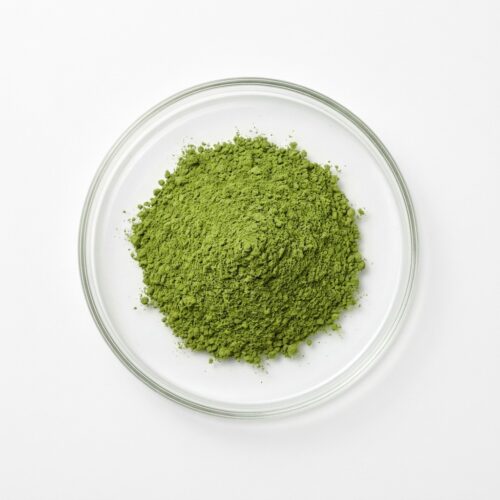
Zinc picolinate is a fine white powder with low solubility in water. Zinc has a metallic taste, so chewables and drink powders need flavour masking. High zinc intakes over long periods can reduce copper status, which is why some formulas pair zinc with copper; check upper limits in your market. It is often combined with ascorbic acid (vitamin C) in immune blends and with pumpkin seed extract in men’s formulas.
What the research says
- A 2024 Cochrane review of 34 randomised trials (8,526 participants) found that zinc probably makes little or no difference to the chance of catching a cold (low-certainty evidence). For people who already had a cold, zinc may shorten it by about 2.4 days, but results varied widely between trials and the certainty is low. Non-serious side effects were more common with zinc (moderate certainty). [1]
- Most trials in the review used zinc gluconate or zinc acetate lozenges. The review does not report separate results for zinc picolinate, so these findings cannot be assumed to apply to it. [1]
These summaries describe published research on the ingredient. They are not claims for any finished product; claims on finished products must meet the rules of the market where they are sold.
References
- Nault D, et al. Zinc for prevention and treatment of the common cold. Cochrane Database Syst Rev. 2024;5(5):CD014914. doi:10.1002/14651858.CD014914.pub2
What to ask for on the certificate of analysis
- Assay of zinc picolinate and of elemental zinc (%), with the test method
- Identity test (for example IR)
- Water content or loss on drying (shows whether the grade is a hydrate)
- Heavy metals (lead, arsenic, cadmium, mercury)
- Microbiology: total plate count, yeast and mould, E. coli, Salmonella
- Batch number, manufacture and retest dates