
Spirulina is a blue-green microalgae that has gone from a NASA-studied space food candidate to one of the most widely used ingredients in green superfood powders, with “spirulina benefits” drawing over 40,000 monthly searches. Prized for its exceptionally high protein and pigment content, spirulina occupies a distinctive niche among plant-based nutrition ingredients, since it isn’t technically a plant at all.
What Is Spirulina?
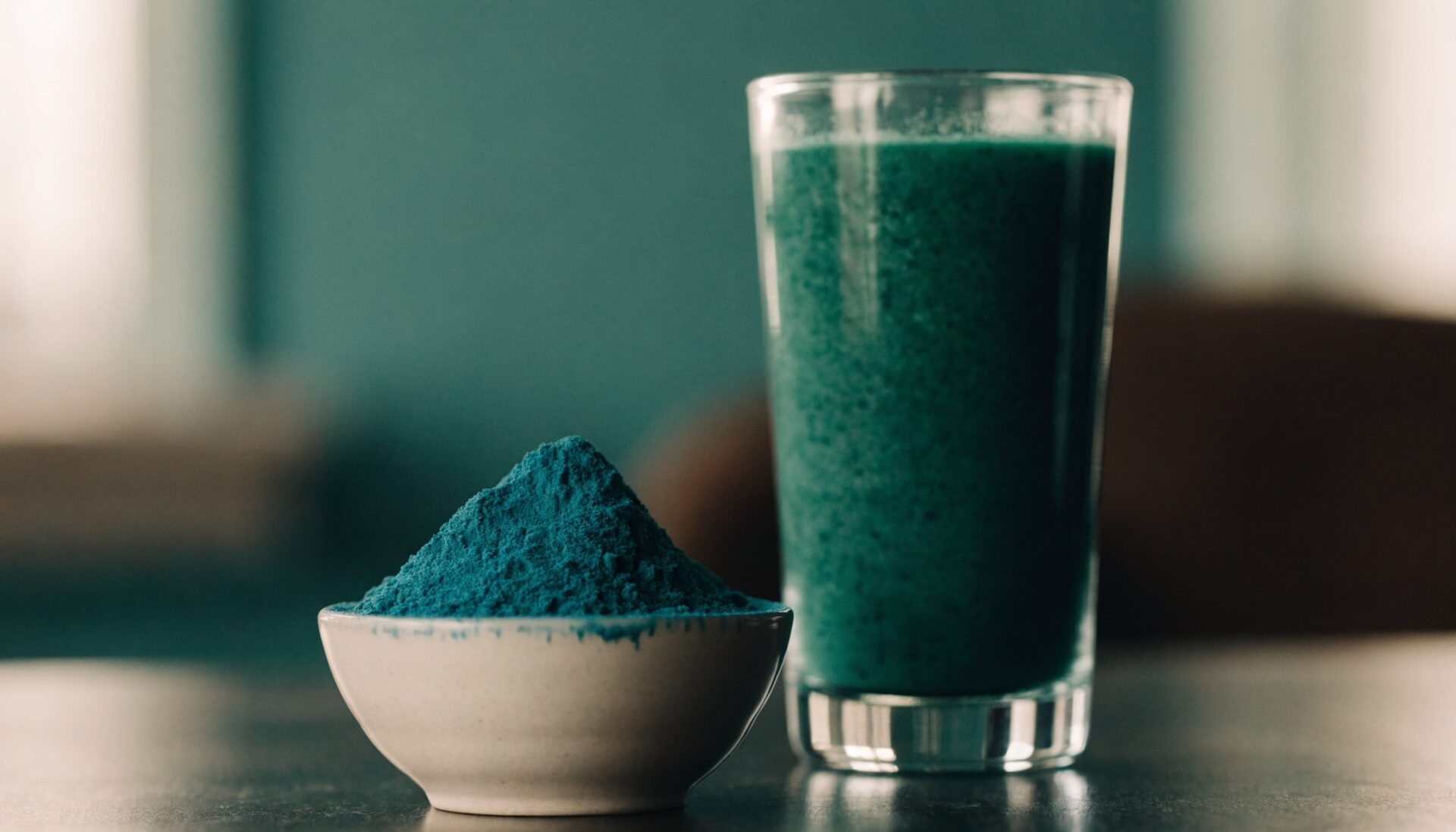
Spirulina (primarily Arthrospira platensis) is a photosynthetic cyanobacteria that grows in warm, alkaline freshwater lakes, and is now widely cultivated in controlled ponds for commercial production. It’s harvested, dried, and typically sold as a fine blue-green powder or compressed into tablets. Spirulina’s protein content, often 60-70% by dry weight, is unusually high for a plant-based or algae-derived ingredient, which is a major part of its appeal in vegan and vegetarian nutrition formulations.
Key Health Benefits of Spirulina
Complete Plant-Based Protein
Spirulina contains all essential amino acids, making it one of the few plant-based ingredients that can be marketed as a complete protein source, a significant differentiator in the crowded plant-protein category.
Antioxidant and Anti-Inflammatory Support
Spirulina’s blue pigment, phycocyanin, is a potent antioxidant compound unique to blue-green algae, and is a key part of spirulina’s general wellness and anti-inflammatory positioning.
Skin Health
Spirulina benefits for skin have become a growing search category, with the ingredient increasingly used in both ingestible beauty-from-within formulations and topical skincare products for its antioxidant and pigment properties.
Immune and Nutrient Density Support
Beyond protein, spirulina is a concentrated source of B-vitamins, iron, and other micronutrients, which underlies much of its positioning as a general-purpose nutrient-density booster in green powder blends. Spirulina has also been studied specifically for easing symptoms of allergic rhinitis, such as nasal congestion, sneezing, and itching, a more targeted benefit beyond its general antioxidant reputation.
Spirulina Benefits for Men and Women
Spirulina’s audience is broad, but search patterns show meaningfully different framing by gender: women’s health content frequently centers on skin, hair, and general wellness, while men’s health content leans toward fitness, protein, and (in a smaller but notable segment) sexual health and vitality claims. Both segments show strong parallel interest in safety and side-effect information, reflecting spirulina’s relatively newer mainstream adoption compared to more established botanicals.
Common Forms Used in Formulation
- Spirulina powder, the most common and versatile format, used in green superfood blends, smoothie mixes, and capsule fills.
- Spirulina tablets, a convenient dosed format for consumers wanting a measured daily intake without the taste of the raw powder.
- Phycocyanin extract, a further concentrated format isolating spirulina’s signature blue antioxidant pigment for use in premium or clinically-positioned formulations.
Sourcing and Quality Considerations for Manufacturers
Because spirulina is grown in open or semi-open water systems, contamination risk (heavy metals and microcystin toxins from co-occurring algae species) is one of the most important due-diligence points for manufacturers. Buyers should request certificates of analysis for heavy metals and microcystins, along with protein content and phycocyanin concentration, particularly for spirulina sourced from open-pond rather than controlled photobioreactor systems.
Safety and Side Effects
Spirulina is well tolerated by most healthy adults. Because it’s a concentrated, nutrient-dense ingredient, some people report mild digestive discomfort when first introducing it, and it carries standard precautions for people with autoimmune conditions or iodine sensitivities, given its nutrient density. As with any algae-derived ingredient, sourcing from a reputable, contamination-tested supplier is a key safety consideration, more so than for many land-grown botanicals.
Frequently Asked Questions
Is spirulina a complete protein?
Yes, spirulina contains all nine essential amino acids, which is unusual for a plant-based or algae-derived ingredient and a key reason it’s positioned as a complete protein source in vegan and vegetarian nutrition products.
What’s the difference between spirulina and chlorella?
Both are algae-based green superfoods, but spirulina is a cyanobacteria with a softer cell wall (easier to digest without processing) and higher protein content, while chlorella is a true algae with a tougher cell wall that typically requires mechanical processing to improve digestibility.
How much spirulina is typically used per serving?
Most commercial products use between 1 and 8 grams of spirulina powder per serving, with higher-end research doses reaching up to 19 grams in some clinical studies, though typical consumer products cluster in the 1 to 3 gram range depending on whether the product is positioned as a general wellness supplement or a more concentrated protein source.
Sourcing spirulina for your formulation?
FC Materials supplies spirulina powder and phycocyanin extract to supplement, functional food, and beverage manufacturers. Tell us your product needs and our team will respond with specs, pricing, and MOQ.
What should be avoided when taking spirulina?
Because dietary supplements aren’t as strictly regulated as pharmaceuticals, sourcing from a supplier with heavy-metal and microcystin testing matters more for spirulina than for many other ingredients; those with autoimmune conditions or bleeding disorders should also consult a healthcare provider first.