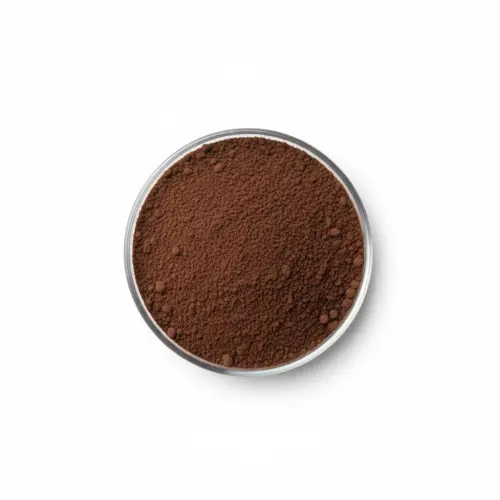
Sucralose is a high-intensity, zero-calorie sweetener derived from sucrose through a selective chlorination process. Approximately 600 times sweeter than sugar, this Halal-certified ingredient provides intense sweetness with no caloric contribution and excellent stability across a wide pH and temperature range, making it one of the most versatile sweeteners in the food and beverage industry.
Unlike many other high-intensity sweeteners, Sucralose has a clean, sugar-like taste with no bitter or metallic aftertaste, making it highly preferred for consumer-facing products.
Applications:
- Beverages (sugar-free drinks, diet sodas, flavoured waters, functional beverages)
- Bakery & Confectionery (sugar-free baked goods, hard candies, chewing gum)
- Dairy & Desserts (sugar-free yogurts, ice creams, puddings)
- Nutraceuticals (sugar-free supplements, protein powders, meal replacements)
Key Features & Benefits:
- Approximately 600x sweeter than sugar
- Zero calories – suitable for diabetic and calorie-controlled formulations
- Clean sugar-like taste with no bitter aftertaste
- Heat and pH stable – suitable for baking and acidic beverages
- Halal-certified & food-grade quality
Dosing a sweetener this strong
At roughly 600 times the sweetness of sugar, sucralose is used at very low levels, and small weighing errors make a large difference to taste. Pre-blend it with a bulk ingredient (such as maltodextrin or one of the powders already in your formula) before adding it to the main batch, so it distributes evenly. Sweetness equivalence is not linear across concentrations, so confirm the level by sensory testing in your actual product rather than by calculation alone.
Blending and stability
Sucralose is often combined with other sweeteners, such as acesulfame K, to round out the sweetness profile and reduce the total amount of high-intensity sweetener needed. It is stable across the pH and temperature range of most beverages and baked goods; for processes with very high temperatures or long hot holds, confirm stability in your own conditions.
Regulatory
Sucralose is a permitted sweetener in many markets (additive number E955). Permitted food categories and maximum levels differ between markets, and the internationally set acceptable daily intake (JECFA) is 15 mg per kg of body weight per day. Check the rules for each market you sell into, and for any claims such as “sugar-free”.
What the research says
- A 2026 meta-analysis of 10 short-term trials found no significant effect of sucralose on gut-microbiota diversity, fasting glucose or insulin resistance. [1]
- The trials were small (8–61 participants each). The authors call for longer trials with inert comparators. [1]
- In contrast, a 2025 trial in healthy lean adults found insulin sensitivity fell 20.3% after 30 days at 30% of the acceptable daily intake. [2]
- In 210 Asian Indian adults with type 2 diabetes, swapping sugar for sucralose in tea or coffee for 12 weeks did not change HbA1c. Weight fell by 0.5 kg. [3]
These summaries describe published research on the ingredient. They are not claims for any finished product; claims on finished products must meet the rules of the market where they are sold.
References
- Wulandari DT, et al. Effect of sucralose consumption on gut microbiota: a systematic review and meta-analysis of randomized controlled trials. Int J Mol Sci. 2026;27(18):8377. doi:10.3390/ijms27188377
- Romo-Romo A, et al. Sucralose consumption modifies glucose homeostasis, gut microbiota, Curli protein, and related metabolites in healthy individuals: a randomized placebo-controlled, triple-blind trial. Clin Nutr ESPEN. 2025;69:733-44. doi:10.1016/j.clnesp.2025.08.029
- Mohan V, et al. Effect of replacing sucrose in beverages with nonnutritive sweetener sucralose on cardiometabolic risk factors among Asian Indian adults with type 2 diabetes: a 12-week randomized controlled trial. Diabetes Ther. 2024;15(9):2061-77. doi:10.1007/s13300-024-01622-6
What to ask for on the certificate of analysis
- Assay, and conformity to the food-additive specification (JECFA or the relevant pharmacopoeia).
- Related compounds, including chlorinated sugar hydrolysis products.
- Triphenylphosphine oxide, which the food-additive specification limits.
- Water content, heavy metals and residual solvents.
- Microbiological profile.
Related ingredients
Other sweeteners and carbohydrates in the range: Aspartame and Fructose.