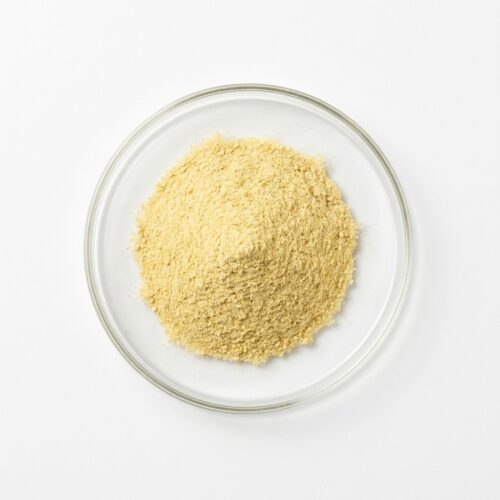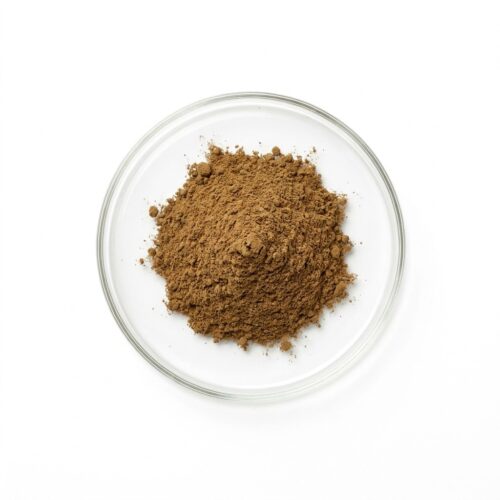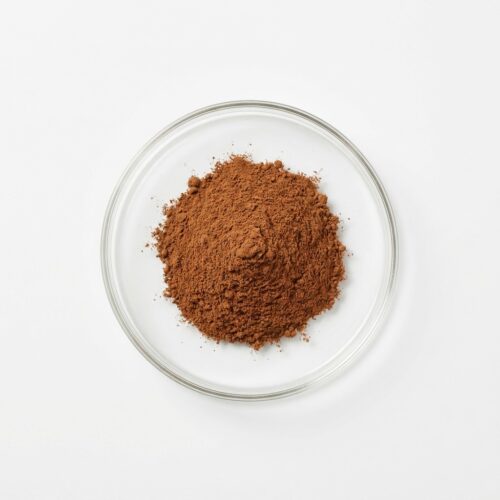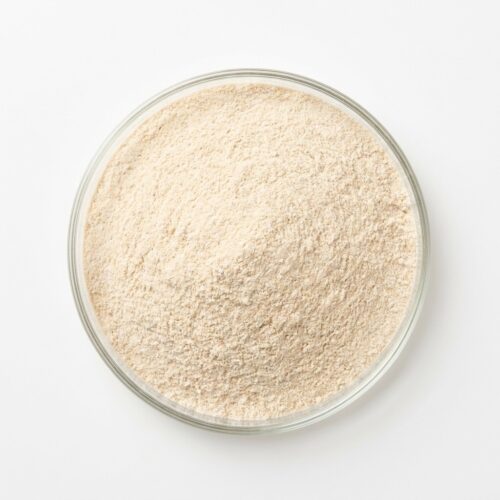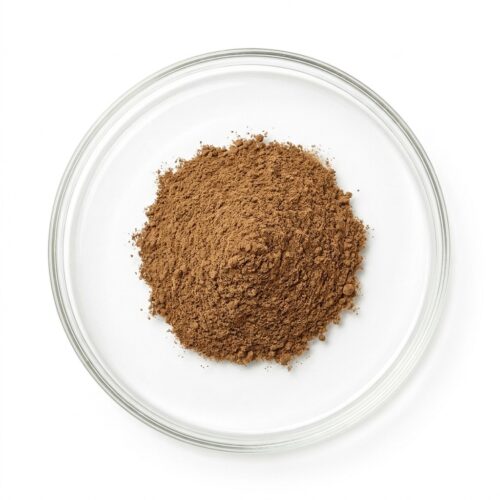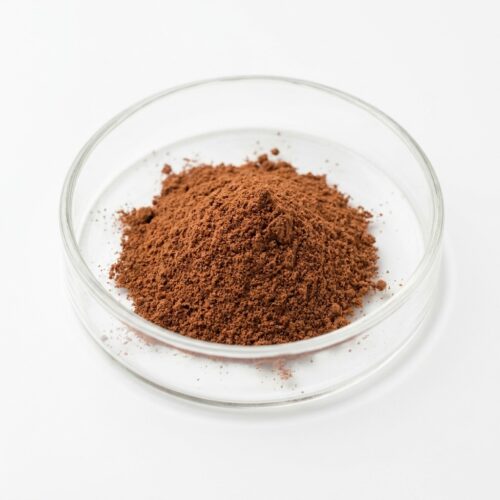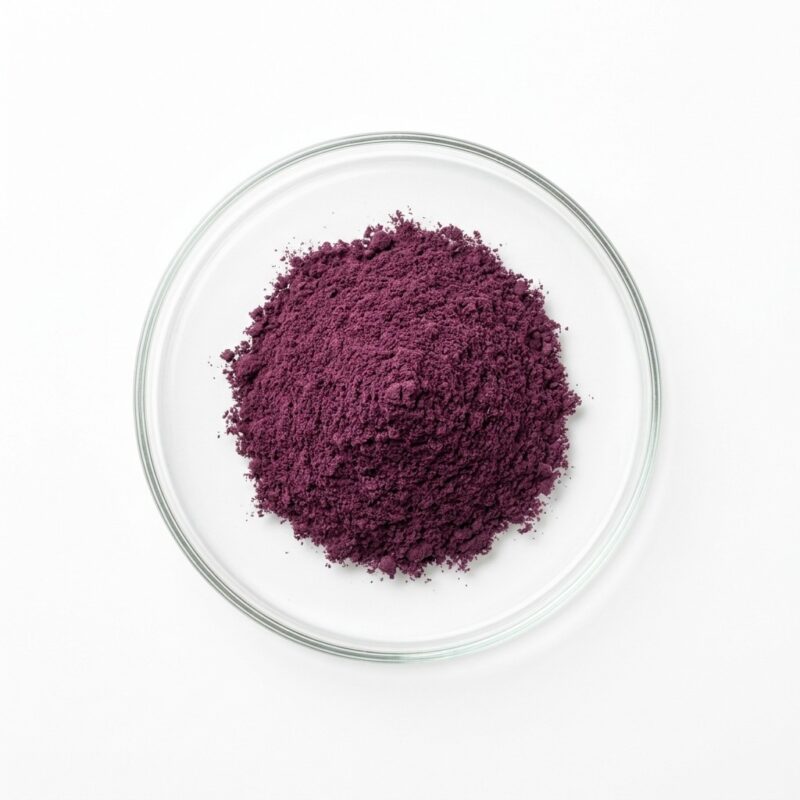
Elderberry Extract (10:1) is a concentrated botanical extract derived from the fruits of Sambucus nigra, one of the most popular and fast-growing immune support ingredients in the global supplement market. At a 10:1 concentration ratio, this Halal-certified extract delivers a potent dose of anthocyanins, quercetin, and flavonoid glycosides — bioactive compounds responsible for elderberry’s antiviral, antioxidant, and immune-modulating properties.
Elderberry has surged in global demand, particularly for cold and flu relief formulations, driven by multiple clinical studies demonstrating its ability to reduce the duration and severity of respiratory infections.
Applications:
- Nutraceuticals (cold & flu relief capsules, immune support gummies, antiviral blends)
- Functional Beverages (elderberry health shots, immune-boosting drinks)
- Children’s Health (elderberry syrups, paediatric immune supplements)
- Seasonal Wellness (winter immunity formulations)
Key Features & Benefits:
- 10:1 concentrated anthocyanin and quercetin-rich extract
- Clinically studied for reducing cold & flu duration and severity
- One of the fastest-growing immune supplement ingredients globally
- Halal-certified & food-grade quality
- Suitable for capsule, syrup, gummy, and beverage formulations
Species and processing
Elderberry extract should come from the fruit of black elder, Sambucus nigra. Raw berries, and especially leaves, stems and unripe fruit, contain cyanogenic glycosides (such as sambunigrin), which heat processing breaks down. Ask for the plant part and for a statement or test on cyanogenic glycosides. Other elder species are not interchangeable.
Anthocyanins and how they are measured
The main pigments are cyanidin-3-glucoside and cyanidin-3-sambubioside. Anthocyanins can be measured by a pH-differential UV method or by HPLC, and the two give different numbers. A 10:1 ratio describes the extraction, not the anthocyanin content, so ask for a measured anthocyanin figure.
Authenticity
Elderberry is a high-value, high-demand ingredient, and dark extracts can be adulterated with cheaper anthocyanin sources such as black rice or other coloured fruit and vegetable extracts. An HPLC anthocyanin fingerprint shows whether the profile matches elderberry.
Formulation
Anthocyanins change colour with pH and fade with heat and light. Syrups and gummies should be checked for colour stability over shelf life. Other botanicals used in seasonal formulas include Echinacea Extract and Andrographis Extract.
What the research says
- A 2021 systematic review of 5 randomised trials found that elderberry may not reduce the risk of catching a cold. It may reduce the duration and severity of colds and the duration of influenza, but the reviewers rate this evidence as uncertain. They found no evidence that elderberry overstimulates the immune system. [1]
- A 2018 meta-analysis of randomised trials (180 participants) reported that elderberry substantially reduced upper respiratory symptoms. The total number of participants was small. [2]
These summaries describe published research on the ingredient. They are not claims for any finished product; claims on finished products must meet the rules of the market where they are sold.
References
- Wieland LS, et al. Elderberry for prevention and treatment of viral respiratory illnesses: a systematic review. BMC Complement Med Ther. 2021;21(1):112. doi:10.1186/s12906-021-03283-5
- Hawkins J, et al. Black elderberry (Sambucus nigra) supplementation effectively treats upper respiratory symptoms: a meta-analysis of randomized, controlled clinical trials. Complement Ther Med. 2018;42:361–365. doi:10.1016/j.ctim.2018.12.004
What to ask for on the certificate of analysis
- Species (Sambucus nigra), plant part (fruit) and extraction solvent
- Anthocyanins with the method (pH-differential or HPLC)
- HPLC fingerprint for authenticity
- Cyanogenic glycosides (statement or test)
- Heavy metals, pesticide residues and residual solvents
- Microbiology: total plate count, yeast and mould, E. coli, Salmonella
- Carrier (if any), Halal certificate, batch number, manufacture and retest dates